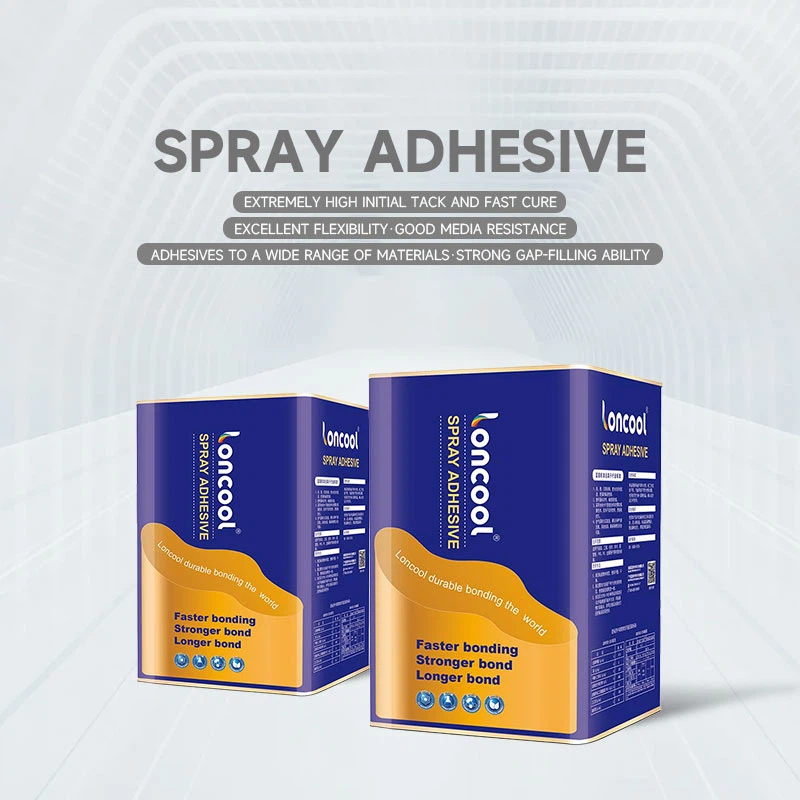
In the realm of construction, sealants play a crucial role in ensuring the integrity, durability, and functionality of buildings. While most people are aware of their waterproofing and bonding properties, the acoustic properties of sealants are often overlooked. As a leading Sealant Construction supplier, we understand the significance of these acoustic characteristics and how they can enhance the overall performance of a building.
Understanding Acoustic Properties
Acoustic properties refer to the way materials interact with sound waves. In construction, these properties are essential for creating comfortable and quiet indoor environments. The main acoustic properties of interest when it comes to sealants are sound absorption, sound transmission loss, and damping.
Sound Absorption
Sound absorption is the ability of a material to convert sound energy into heat energy. Sealants with high sound absorption coefficients can effectively reduce the reflection of sound waves within a space, thereby reducing echo and reverberation. This is particularly important in large open spaces such as auditoriums, concert halls, and offices, where excessive reverberation can make speech and music difficult to understand.
Sound Transmission Loss
Sound transmission loss measures the ability of a material to prevent the passage of sound from one side to the other. In construction, sealants are often used to seal gaps and joints in walls, floors, and ceilings to reduce the transmission of airborne and impact noise. A high sound transmission loss rating indicates that the sealant is effective at blocking sound, which is crucial for maintaining privacy and reducing noise pollution in buildings.
Damping
Damping is the ability of a material to dissipate mechanical energy, such as vibrations. In construction, vibrations can be caused by various sources, including machinery, traffic, and human activity. Sealants with good damping properties can help reduce the transmission of vibrations through building structures, which can improve the comfort of occupants and prevent damage to sensitive equipment.
Factors Affecting the Acoustic Properties of Sealants
The acoustic properties of sealants can be influenced by several factors, including the type of sealant, its composition, and the application method.
Type of Sealant
There are several types of sealants available in the market, each with its own unique acoustic properties. For example, silicone sealants are known for their excellent weather resistance and flexibility, making them suitable for outdoor applications. They also have good sound absorption and transmission loss properties, which make them ideal for sealing gaps and joints in building envelopes.
On the other hand, polyurethane sealants are known for their high strength and durability, making them suitable for structural applications. They also have good damping properties, which make them effective at reducing vibrations in building structures.
Composition
The composition of a sealant can also affect its acoustic properties. For example, sealants that contain fillers or additives can have different acoustic characteristics compared to those that do not. Fillers such as calcium carbonate and silica can improve the sound absorption and transmission loss properties of sealants, while additives such as plasticizers and antioxidants can affect their flexibility and durability.
Application Method
The application method can also have an impact on the acoustic properties of sealants. For example, if a sealant is not applied properly, it may not form a continuous and airtight seal, which can reduce its sound transmission loss properties. It is important to follow the manufacturer's instructions carefully when applying sealants to ensure that they are applied correctly and achieve the desired acoustic performance.
Applications of Sealants with Good Acoustic Properties
Sealants with good acoustic properties have a wide range of applications in construction. Some of the common applications include:
Building Envelopes
Sealants are often used to seal gaps and joints in building envelopes, such as windows, doors, and curtain walls. By preventing the entry of air and water, sealants can also reduce the transmission of sound, which can improve the energy efficiency and comfort of buildings.


Interior Partitions
Sealants can be used to seal gaps and joints in interior partitions, such as walls and ceilings. This can help reduce the transmission of sound between rooms, which can improve the privacy and comfort of occupants.
Mechanical and Electrical Systems
Sealants can be used to seal gaps and joints in mechanical and electrical systems, such as HVAC ducts and pipes. By preventing the leakage of air and sound, sealants can improve the efficiency and performance of these systems, as well as reduce noise pollution in buildings.
Our Sealant Products for Acoustic Applications
As a Sealant Construction supplier, we offer a wide range of sealant products that are specifically designed for acoustic applications. Our Structural Sealant and Structural Silicone Sealant products are known for their excellent acoustic properties, as well as their high strength and durability.
Our sealants are formulated using advanced technology and high-quality materials to ensure that they meet the highest standards of performance and reliability. They are also available in a variety of colors and formulations to suit different applications and requirements.
Conclusion
In conclusion, the acoustic properties of sealants are an important consideration in construction. By choosing sealants with good sound absorption, transmission loss, and damping properties, builders and architects can create comfortable and quiet indoor environments that meet the needs of occupants. As a Sealant Construction supplier, we are committed to providing our customers with high-quality sealant products that offer excellent acoustic performance. If you are interested in learning more about our products or would like to discuss your specific requirements, please do not hesitate to contact us. We look forward to working with you to achieve your construction goals.
References
- ASTM International. (2023). Standard Test Method for Laboratory Measurement of Airborne Sound Transmission Loss of Building Partitions and Elements. ASTM E90-23.
- ISO. (2022). Acoustics - Rating of sound insulation in buildings and of building elements. ISO 717-1:2022.
- Sealant and Adhesive Council. (2023). Sealant Basics: Understanding the Different Types of Sealants.