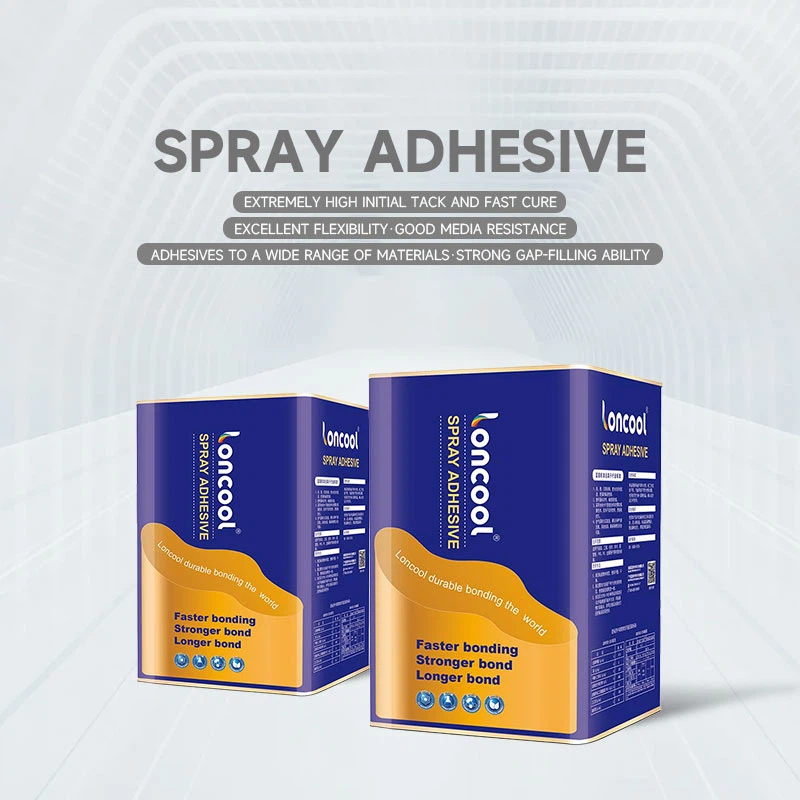
Hey there! I'm a supplier of spray adhesives, and I know how tricky it can be to pick the right one for your project. There are so many options out there, and it's easy to get overwhelmed. But don't worry, I'm here to help you navigate through the sea of choices and find the perfect spray adhesive for your needs.
Understanding Your Project
First things first, you need to have a clear understanding of your project. What are you trying to bond? Is it paper, wood, metal, plastic, or something else? Different materials require different types of adhesives. For example, if you're working with porous materials like wood or paper, you'll need an adhesive that can penetrate the surface and create a strong bond. On the other hand, if you're bonding non - porous materials like metal or plastic, you'll need an adhesive that can form a strong bond on a smooth surface.
Let's say you're making a DIY photo album. You'll be bonding photos (paper) to the pages of the album. In this case, you'll want a spray adhesive that is acid - free and won't damage the photos over time. It should also dry clear so that it doesn't show up behind the photos.
Types of Spray Adhesives
There are several types of spray adhesives available in the market, each with its own set of properties and uses.
Contact Adhesives
Contact adhesives are great for projects where you need an instant and permanent bond. They work by applying the adhesive to both surfaces and letting them dry for a short period. Once dry, you press the two surfaces together, and the bond is formed immediately. These adhesives are commonly used for bonding laminates to countertops, or for attaching rubber or foam to various surfaces.
Permanent Adhesives
Permanent spray adhesives are designed to create a long - lasting bond that is difficult to break. They are ideal for projects where you need a strong and durable connection, such as attaching fabric to wood or metal frames. These adhesives are often used in the automotive and furniture industries.
Removable Adhesives
Removable spray adhesives are perfect for projects where you might need to make changes later. They provide a temporary bond that can be easily removed without leaving a residue. For example, if you're mounting a poster on a wall and you want to be able to take it down later without damaging the wall, a removable spray adhesive is the way to go.
Spray Silicone
Spray silicone is a unique type of spray adhesive. It offers a non - stick, lubricating, and water - resistant surface. It's often used for applications where you need to prevent sticking or reduce friction. For example, it can be used on mold surfaces to make it easier to remove the castings, or on door hinges to reduce squeaking.
Factors to Consider
Now that you know the types of spray adhesives, let's talk about some other factors you should consider when making your choice.
Drying Time
The drying time of a spray adhesive can vary greatly. Some adhesives dry in just a few minutes, while others may take hours. If you're working on a project with a tight deadline, you'll want to choose an adhesive with a short drying time. However, if you need more time to position the materials correctly, a slower - drying adhesive might be a better option.


Bond Strength
The bond strength is another crucial factor. You need to make sure that the adhesive can withstand the stress and strain that your project will be subjected to. For heavy - duty projects, you'll need a high - strength adhesive. For lighter projects, a lower - strength adhesive may be sufficient.
Toxicity and Odor
Some spray adhesives can emit strong odors and contain toxic chemicals. If you're working in a well - ventilated area, this might not be a big issue. But if you're working indoors or in a confined space, you'll want to choose an adhesive that is low - odor and non - toxic. There are many eco - friendly and low - VOC (volatile organic compounds) options available these days.
Temperature and Humidity Resistance
Depending on where your project will be located, you may need an adhesive that can withstand different temperature and humidity conditions. For example, if your project will be exposed to high temperatures or humidity, you'll need an adhesive that won't break down or lose its bond strength under these conditions.
Testing the Adhesive
Before you start your project, it's always a good idea to test the spray adhesive on a small, inconspicuous area. This will give you an idea of how the adhesive works, how it dries, and how well it bonds the materials. You can also check if there are any color changes or other issues.
Making the Right Choice
Let's put all this information together and see how you can make the right choice.
If you're working on a craft project like making a scrapbook, a removable or acid - free permanent spray adhesive would be a good choice. They are easy to use, and they won't damage your materials.
For a woodworking project where you need to bond two pieces of wood together, a contact adhesive or a high - strength permanent adhesive would be more suitable. These adhesives can create a strong and durable bond between the wood surfaces.
If you're dealing with a project that involves non - porous materials like plastic or metal, you'll need an adhesive that is specifically designed for these materials. Some adhesives have special formulations that can bond well to non - porous surfaces.
Conclusion
Choosing the right spray adhesive for your project doesn't have to be a headache. By understanding your project, knowing the types of adhesives available, considering the important factors, and testing the adhesive beforehand, you can make an informed decision.
As a spray adhesive supplier, I'm here to assist you in finding the perfect product for your needs. Whether you're a DIY enthusiast or a professional in the industry, I can offer you a wide range of high - quality spray adhesives. If you have any questions or need more information about our products, feel free to reach out. We're always happy to help you with your procurement and answer any questions you might have about our spray adhesives. Let's work together to make your project a success!
References
- "Adhesives and Sealants Handbook" by Robert M. Hornbaker
- Various product manuals and technical data sheets from spray adhesive manufacturers.