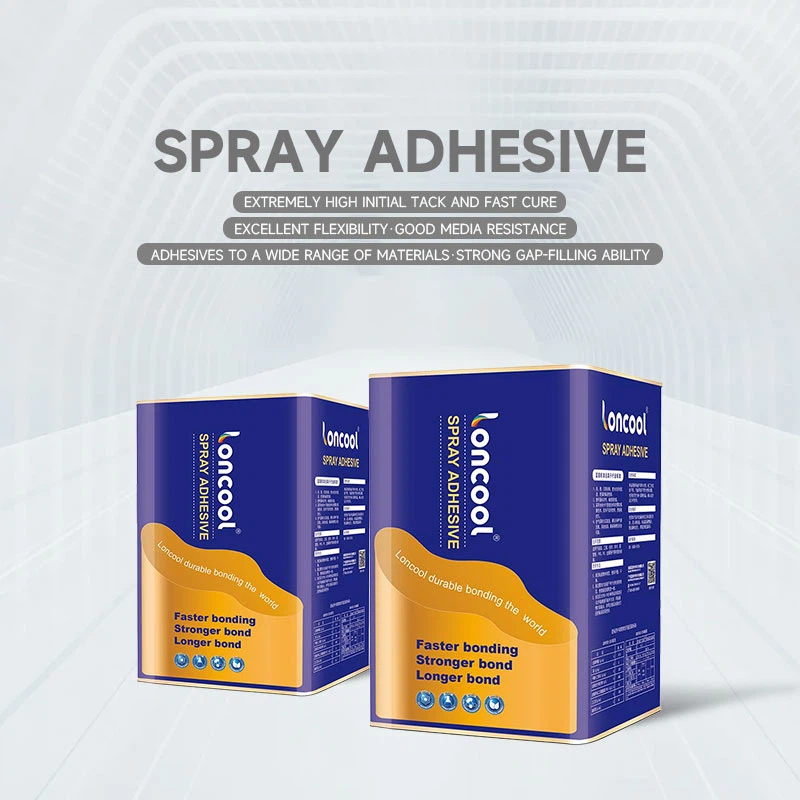
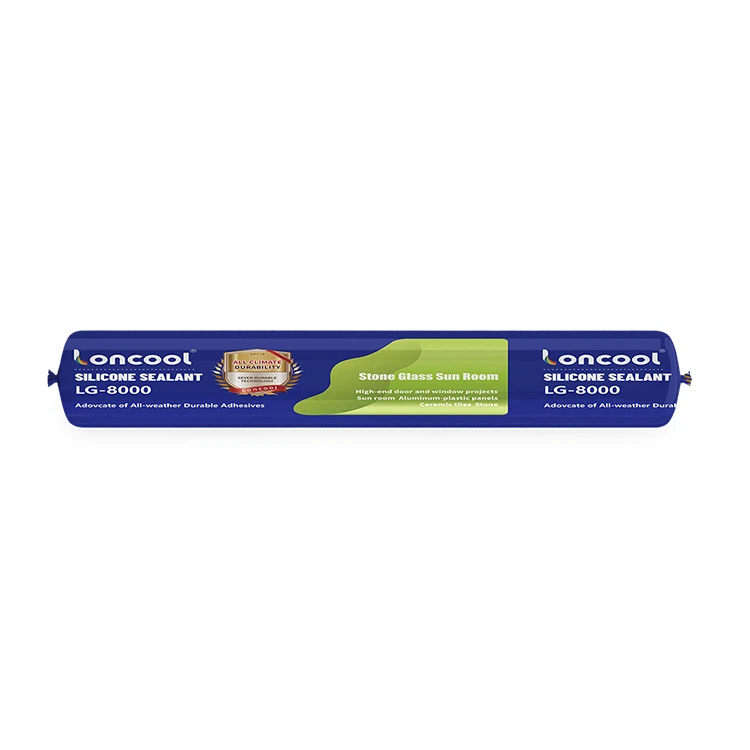
As a supplier of Structural Silicone Sealant, I understand the critical importance of ensuring the quality of our products. Structural silicone sealants play a vital role in various construction applications, providing both structural support and weatherproofing. In this blog, I will share some key methods and considerations for testing the quality of Structural Silicone Sealant.
Physical Properties Testing
1. Hardness Testing
Hardness is an important physical property of silicone sealant. A durometer is commonly used to measure the hardness of the sealant. The hardness of structural silicone sealant can affect its performance in different applications. For example, in some applications where the sealant needs to withstand high pressure or mechanical stress, a harder sealant may be more suitable. On the other hand, in applications where flexibility is required, a softer sealant might be preferred.
To perform a hardness test, a sample of the cured sealant is placed on a flat surface. The durometer is then pressed onto the sample, and the hardness value is read from the scale. The test should be conducted at a specified temperature and humidity to ensure accurate results. ASTM D2240 is a widely recognized standard for rubber property - durometer hardness testing, which can also be applied to silicone sealants.
2. Tensile Strength and Elongation Testing
Tensile strength and elongation at break are crucial indicators of the sealant's ability to withstand stretching and pulling forces. To conduct this test, dumbbell - shaped specimens are cut from the cured sealant. These specimens are then placed in a tensile testing machine, which slowly pulls the specimen until it breaks.
The tensile strength is calculated by dividing the maximum load applied during the test by the original cross - sectional area of the specimen. Elongation at break is determined by measuring the increase in length of the specimen at the point of failure and expressing it as a percentage of the original length. ASTM C1135 is a standard test method for determining the tensile properties of structural silicone sealants. High tensile strength and good elongation at break are desirable for structural silicone sealants, as they ensure the sealant can withstand the movement and stress in the building structure.
3. Shore A Hardness
Shore A hardness is another measure of the sealant's resistance to indentation. It is particularly important for assessing the sealant's consistency and its ability to maintain its shape under load. Similar to the general hardness test, a Shore A durometer is used. The test is carried out on a flat, smooth surface of the cured sealant. A higher Shore A hardness value indicates a stiffer sealant, while a lower value means a more flexible one.
Adhesion Testing
1. Peel Adhesion Test
Peel adhesion testing measures the force required to peel the sealant from a substrate. A strip of the sealant is applied to a substrate, such as glass or metal, and allowed to cure. Then, one end of the sealant strip is clamped in a testing machine, and the substrate is held in a fixed position. The machine slowly peels the sealant from the substrate at a constant rate, and the force required for peeling is recorded.
ASTM C794 is a standard test method for peel adhesion of elastomeric joint sealants. Good peel adhesion is essential for structural silicone sealants, as it ensures that the sealant remains firmly attached to the substrate, preventing water leakage and maintaining the structural integrity of the building.
2. Shear Adhesion Test
Shear adhesion testing evaluates the sealant's ability to resist forces that act parallel to the bond surface. A sample of the sealant is applied between two substrates and cured. The substrates are then placed in a shear testing machine, which applies a force parallel to the bond line until the sealant fails.
The shear strength is calculated by dividing the maximum load by the bonded area. ASTM C1227 is a standard test method for shear adhesion of structural silicone glazing sealants. High shear adhesion is necessary for structural applications, as it helps the sealant to transfer loads between different parts of the building structure.
Chemical Resistance Testing
1. Resistance to Weathering
Structural silicone sealants are exposed to various environmental factors, such as sunlight, rain, and temperature changes. Weathering resistance testing is crucial to ensure the long - term performance of the sealant. One common method is to expose the sealant samples to natural weathering conditions for a certain period. The samples are monitored for changes in appearance, such as cracking, discoloration, and loss of adhesion.
Accelerated weathering tests can also be conducted in a laboratory using a weathering chamber. These chambers simulate different weather conditions, such as UV radiation, humidity, and temperature cycling. ASTM G154 is a standard practice for operating fluorescent light apparatus for UV exposure of non - metallic materials, which can be used to evaluate the sealant's resistance to UV radiation.

2. Chemical Compatibility Testing
The sealant may come into contact with various chemicals during its service life, such as cleaning agents, solvents, and pollutants. Chemical compatibility testing is carried out by immersing the sealant samples in different chemicals for a specified period. After the immersion, the samples are examined for changes in physical properties, such as hardness, weight, and appearance.
For example, if the sealant is used in a building near a chemical plant, it should be tested for its resistance to the specific chemicals emitted by the plant. This ensures that the sealant will not degrade or lose its performance due to chemical exposure.
Other Considerations
1. Curing Time and Conditions
The curing time and conditions of the sealant can significantly affect its final properties. Different sealants have different curing requirements, such as temperature, humidity, and air circulation. It is important to follow the manufacturer's instructions regarding curing.
During the curing process, the sealant undergoes a chemical reaction that transforms it from a liquid or paste - like state to a solid. If the curing conditions are not met, the sealant may not reach its full strength and performance potential. For example, curing at a lower temperature than recommended may result in a longer curing time and a weaker final product.
2. Quality Control in Production
As a supplier, we implement strict quality control measures during the production process. This includes raw material inspection, in - process monitoring, and final product testing. We ensure that all raw materials meet the required specifications before they are used in the production of the sealant.
During the production process, we monitor key parameters such as mixing time, temperature, and pressure to ensure consistent product quality. After the sealant is produced, it undergoes a series of tests to ensure it meets the relevant standards and customer requirements.
In conclusion, testing the quality of Structural Silicone Sealant is a comprehensive process that involves multiple aspects, including physical properties, adhesion, chemical resistance, and curing conditions. By conducting these tests, we can ensure that our Neutral Silicone Structural Adhesive, Silicone Sealant for Construction, and Structural Silicone Sealant products meet the highest quality standards and provide reliable performance in various construction applications.
If you are interested in our Structural Silicone Sealant products or have any questions about their quality and performance, please feel free to contact us for further discussion and procurement negotiation. We are committed to providing you with the best products and services.
References
- ASTM D2240 - Standard Test Method for Rubber Property - Durometer Hardness
- ASTM C1135 - Standard Test Method for Tensile Properties of Structural Silicone Glazing Sealants
- ASTM C794 - Standard Test Method for Peel Adhesion of Elastomeric Joint Sealants
- ASTM C1227 - Standard Test Method for Shear Adhesion of Structural Silicone Glazing Sealants
- ASTM G154 - Standard Practice for Operating Fluorescent Light Apparatus for UV Exposure of Non - metallic Materials