Is Structural Silicone Sealant waterproof?

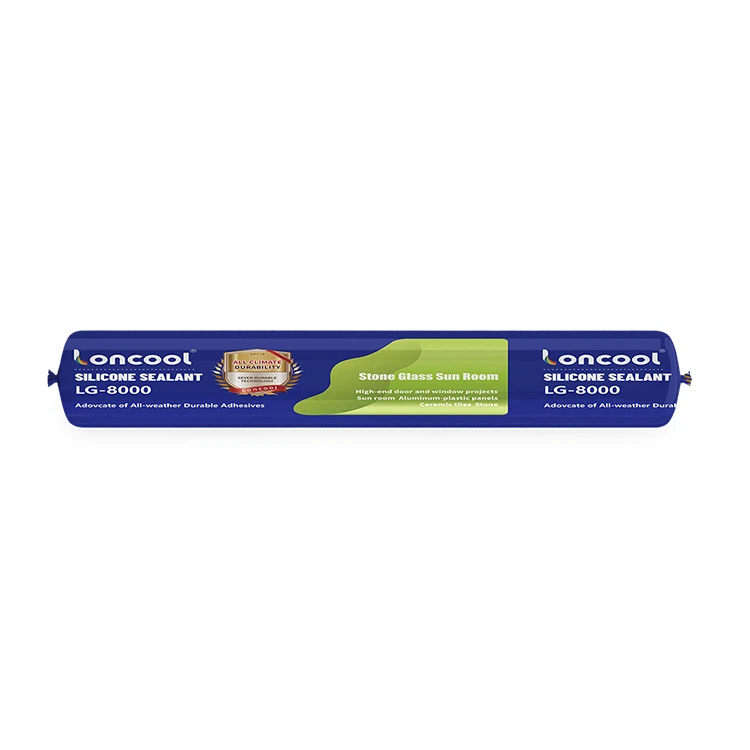
As a supplier of structural silicone sealant, I often get asked whether our product is waterproof. It's a crucial question, especially in construction and various industrial applications where moisture protection is essential. In this blog, I'll delve into the waterproofing capabilities of structural silicone sealant, exploring its properties, applications, and limitations.
Understanding Structural Silicone Sealant
Structural silicone sealant is a high - performance adhesive and sealing material widely used in the construction industry. It is known for its excellent adhesion, flexibility, and durability. The sealant forms a strong bond with a variety of substrates, including glass, metal, and concrete. This makes it an ideal choice for applications where a reliable and long - lasting seal is required.
There are different types of structural silicone sealants available in the market, such as the Silicone Sealant for Construction and Neutral Silicone Structural Adhesive. These products are formulated to meet specific requirements, depending on the application and environmental conditions.
Waterproofing Properties of Structural Silicone Sealant
One of the key features of structural silicone sealant is its waterproofing ability. The sealant forms a continuous and impermeable barrier that prevents water from penetrating through joints and gaps. This is achieved through its unique chemical composition and physical properties.
The silicone polymer in the sealant has a low surface energy, which means that water beads up on its surface rather than spreading out and seeping through. Additionally, the cured sealant has excellent elasticity, allowing it to expand and contract with temperature changes and structural movements without cracking or losing its seal. This flexibility is crucial in maintaining a waterproof barrier over time, even in harsh environmental conditions.
In laboratory tests, structural silicone sealants are often subjected to water immersion and hydrostatic pressure tests. These tests simulate real - world conditions and measure the sealant's ability to resist water penetration. Most high - quality structural silicone sealants can withstand significant hydrostatic pressures and long - term water immersion without failing.
Applications in Waterproofing
Structural silicone sealant is used in a wide range of waterproofing applications in the construction industry. Some of the common applications include:
Glazing Systems
In curtain wall systems and window installations, structural silicone sealant is used to seal the joints between glass panels and frames. This not only provides a watertight seal but also helps to structurally support the glass. The sealant prevents water from entering the building through the glazing system, protecting the interior from water damage.
Roofing
On flat roofs and pitched roofs, structural silicone sealant can be used to seal around roof penetrations, such as pipes, vents, and skylights. It also helps to seal the joints between roofing panels, preventing water from seeping into the building. The flexibility of the sealant allows it to accommodate the movement of the roof structure due to thermal expansion and contraction.
Bathroom and Kitchen Installations
In bathrooms and kitchens, where water exposure is high, structural silicone sealant is used to seal around sinks, bathtubs, and countertops. It creates a waterproof barrier that prevents water from leaking into the underlying structures, such as cabinets and floors.
Basement Waterproofing
Structural silicone sealant can be used to seal cracks and joints in basement walls and floors. It helps to prevent groundwater from seeping into the basement, protecting the interior from moisture and water damage.
Limitations and Considerations
While structural silicone sealant is an effective waterproofing material, it does have some limitations.
Surface Preparation
Proper surface preparation is crucial for the sealant to perform effectively. The surfaces to be sealed must be clean, dry, and free of contaminants such as dust, grease, and oil. If the surfaces are not properly prepared, the adhesion of the sealant may be compromised, leading to water leakage.
Compatibility
It's important to ensure that the structural silicone sealant is compatible with the substrates it will be applied to. Some materials may react with the sealant, causing it to degrade or lose its adhesion. Before application, it's recommended to conduct compatibility tests.
Environmental Conditions
Extreme environmental conditions can affect the performance of the sealant. For example, prolonged exposure to high temperatures, ultraviolet (UV) radiation, and chemical pollutants can cause the sealant to degrade over time. In such cases, special formulations of structural silicone sealant may be required.
Contact for Purchase and Consultation
If you are considering using structural silicone sealant for your waterproofing projects, we are here to help. As a leading supplier of Construction Waterproof Sealant and other high - quality silicone products, we can provide you with the right products and technical support. Our team of experts can assist you in selecting the most suitable sealant for your specific application and offer advice on proper installation techniques. Whether you are a contractor, architect, or DIY enthusiast, we are committed to providing you with the best solutions for your waterproofing needs. Contact us to start a conversation about your project requirements and explore the possibilities of using our structural silicone sealant.
References
- ASTM International. Standard test methods for evaluating the waterproofing properties of sealants.
- Building Sealing Council. Technical guidelines for the use of structural silicone sealants in waterproofing applications.
- Dow Corning. Silicone sealant technology and applications in construction.