Air bubbles in tile grout can be a frustrating issue for both DIY enthusiasts and professional installers. As a tile grout supplier, I've seen firsthand the problems these bubbles can cause and have learned effective strategies to deal with them. In this blog post, I'll share my insights on how to prevent and address air bubbles in tile grout, ensuring a smooth and professional finish for your tiling projects.
Understanding the Causes of Air Bubbles in Tile Grout
Before we dive into solutions, it's essential to understand why air bubbles form in tile grout. Several factors can contribute to this issue:
- Improper Mixing: One of the most common causes of air bubbles is improper mixing of the grout. If the grout is not mixed thoroughly, air can become trapped in the mixture, resulting in bubbles when the grout is applied.
- Incorrect Consistency: Using a grout with the wrong consistency can also lead to air bubbles. If the grout is too thick, it may not flow properly, causing air to be trapped. On the other hand, if the grout is too thin, it may dry too quickly, leaving behind air pockets.
- Surface Preparation: Failing to prepare the tile surface properly can also contribute to air bubbles. If the tiles are not clean or if there is debris or dust on the surface, the grout may not adhere properly, leading to air pockets.
- Application Technique: The way the grout is applied can also affect the formation of air bubbles. If the grout is applied too quickly or with too much pressure, air can be forced into the mixture.
Preventing Air Bubbles in Tile Grout
The best way to deal with air bubbles in tile grout is to prevent them from forming in the first place. Here are some tips to help you prevent air bubbles during the tiling process:
- Mix the Grout Properly: To ensure a smooth and bubble-free grout mixture, it's important to mix the grout according to the manufacturer's instructions. Use a drill with a mixing paddle to ensure thorough mixing. Start by adding the water to the grout powder gradually, stirring constantly to avoid lumps. Mix the grout for at least 5 minutes to ensure a consistent texture.
- Check the Consistency: The consistency of the grout is crucial for preventing air bubbles. The grout should be thick enough to hold its shape but still be easy to spread. If the grout is too thick, add a small amount of water and mix again. If it's too thin, add a little more grout powder.
- Prepare the Surface: Before applying the grout, make sure the tile surface is clean and free of debris. Use a damp cloth to wipe down the tiles and remove any dust or dirt. You can also use a tile cleaner to ensure a thorough cleaning. Allow the tiles to dry completely before applying the grout.
- Use the Right Tools: Using the right tools can also help prevent air bubbles. Use a grout float to apply the grout evenly over the tiles. Hold the float at a 45-degree angle and press the grout into the joints firmly. Work in small sections to ensure that the grout doesn't dry before you have a chance to smooth it out.
- Avoid Overworking the Grout: Once the grout is applied, avoid overworking it. Overworking the grout can cause air to be trapped in the mixture. Use a damp sponge to wipe off the excess grout from the tile surface, but don't press too hard.
Dealing with Air Bubbles in Tile Grout
Despite your best efforts, air bubbles may still form in the tile grout. Here are some ways to deal with air bubbles after the grout has been applied:
- Pop the Bubbles: If you notice air bubbles in the grout while it's still wet, you can use a toothpick or a small pin to pop them. Gently insert the toothpick or pin into the bubble and press down to release the air. Then, smooth out the grout with a grout float.
- Reapply the Grout: If the air bubbles are large or numerous, you may need to reapply the grout. Wait until the grout has dried completely, then use a grout saw to remove the affected grout. Clean the area thoroughly and allow it to dry. Mix a new batch of grout and apply it to the joints, following the same steps as before.
- Use a Grout Filler: Grout Filler for Tile can be a great solution for filling in small air bubbles or holes in the grout. Choose a grout filler that matches the color of your existing grout. Apply the filler to the affected areas using a small brush or a grout applicator. Smooth out the filler and allow it to dry according to the manufacturer's instructions.
Tips for a Professional Finish
To achieve a professional finish when working with tile grout, here are some additional tips:
- Seal the Grout: Once the grout has dried completely, it's important to seal it. Sealing the grout helps protect it from stains, moisture, and dirt. Choose a high-quality grout sealer and apply it according to the manufacturer's instructions.
- Clean Up Properly: After the grout has dried, clean up the tile surface thoroughly. Use a damp cloth to remove any remaining grout haze. You can also use a tile cleaner to give the tiles a final shine.
- Take Your Time: Tiling and grouting can be time-consuming tasks, but taking your time is essential for a professional finish. Don't rush the process, and make sure you follow all the steps carefully.
Conclusion
Dealing with air bubbles in tile grout can be a challenge, but with the right techniques and tools, you can achieve a smooth and professional finish. As a tile grout supplier, I'm here to help you with all your tiling needs. Whether you're a DIY enthusiast or a professional installer, I can provide you with high-quality tile grout and expert advice.

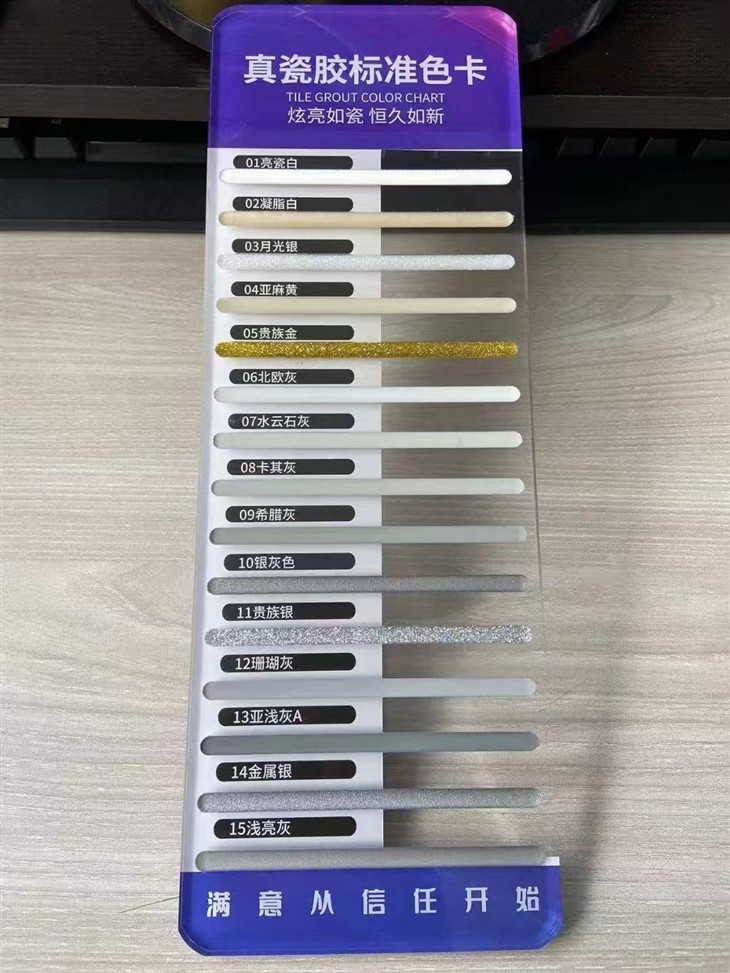
If you're interested in purchasing tile grout or have any questions about dealing with air bubbles, please feel free to reach out to me. I'm happy to assist you with your tiling projects and help you find the best solutions for your needs. Contact me today to start discussing your tile grout requirements and let's work together to create a beautiful and long-lasting tiling installation.
References
- Tile Grout Installation Guide - Manufacturer's Manual
- Professional Tiling and Grouting Techniques - Industry Publications
- DIY Tiling Tips and Tricks - Online Resources