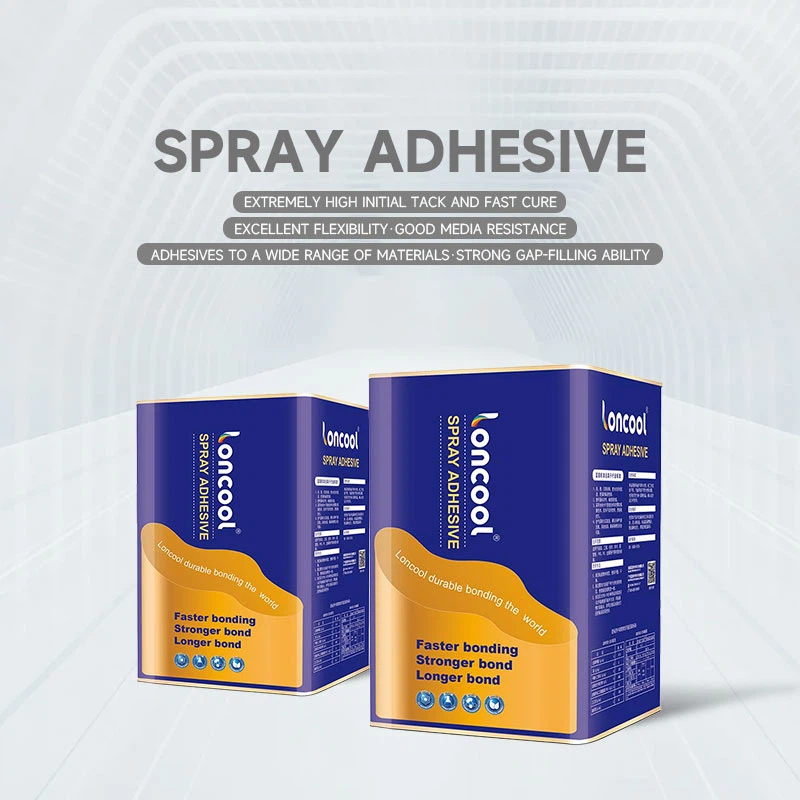
Hey there! As a supplier of liquid nails, I often get asked this question: Can liquid nails be removed? Well, let's dive right into it and explore this topic in detail.
First off, what exactly are liquid nails? Liquid nails are a type of adhesive that's super handy for all sorts of projects. Whether you're working on a DIY home improvement task or a professional construction job, liquid nails can bond different materials together like wood, metal, concrete, and more. We offer a range of products, such as No More Nails, Nail Free Sealant, and Liquid Nails Heavy Duty, each designed to meet specific needs.


Now, back to the main question: Can they be removed? The short answer is yes, but it's not always a walk in the park. The ease of removal depends on several factors.
Factors Affecting Liquid Nails Removal
Type of Surface
The surface the liquid nails are applied to plays a huge role. For example, if it's a smooth, non - porous surface like glass or metal, it might be a bit easier to remove compared to a porous surface like wood or concrete. On smooth surfaces, the adhesive might not penetrate as deeply, so there's a better chance of getting it off without too much hassle. But on porous surfaces, the liquid nails can seep into the pores, making it more difficult to completely remove.
Age of the Adhesive
Time is another crucial factor. Freshly applied liquid nails are much easier to remove than those that have been curing for a long time. When the adhesive is new, it hasn't fully set and hardened yet. You can usually wipe it off with a cloth or a scraper before it dries completely. However, once it's had days, weeks, or even months to cure, it forms a strong bond that's really tough to break.
Amount of Adhesive Used
If a large amount of liquid nails was applied, it's going to be more challenging to remove. A thick layer of adhesive means more material to get rid of, and it may have a stronger hold on the surfaces it's bonding. On the other hand, a thin, sparingly applied layer might be easier to deal with.
Methods of Removing Liquid Nails
Mechanical Methods
One of the most common ways to remove liquid nails is by using mechanical force. This can involve using tools like scrapers, putty knives, or chisels. For small areas, a putty knife can be a great option. You can gently slide it under the edge of the bonded materials and try to pry them apart. Just be careful not to damage the surfaces you're working on.
If you're dealing with a larger area or a more stubborn bond, a chisel might be more appropriate. However, this method requires a bit more skill and caution. You need to make sure you're using the right amount of force so you don't crack or chip the surfaces. For example, if you're removing liquid nails from a wooden surface, using too much force with a chisel could leave gouges in the wood.
Chemical Methods
There are also chemical solvents available that can break down the liquid nails. These solvents work by dissolving the adhesive, making it easier to remove. Some common solvents include acetone, mineral spirits, and specialized adhesive removers.
Before using any solvent, it's important to test it on a small, inconspicuous area first. This is because some solvents can damage certain surfaces. For example, acetone can melt some types of plastic, so you need to be careful. Once you've confirmed that the solvent is safe to use, apply it to the liquid nails using a cloth or a brush. Let it sit for a while to allow it to penetrate and break down the adhesive. Then, you can use a scraper to remove the softened adhesive.
Heat Methods
Applying heat can also help in removing liquid nails. Heat softens the adhesive, making it more pliable and easier to scrape off. You can use a heat gun or a hair dryer for this purpose. Hold the heat source a few inches away from the bonded area and move it around to evenly heat the adhesive. Be careful not to overheat the surfaces, as this can cause damage. Once the adhesive is softened, use a scraper to start removing it.
Tips for Safe and Effective Removal
- Wear Protective Gear: Whether you're using mechanical tools, chemicals, or heat, it's important to protect yourself. Wear gloves to prevent cuts and to protect your hands from chemicals. If you're using solvents, wear a mask to avoid inhaling any fumes.
- Work in a Well - Ventilated Area: If you're using chemical solvents, make sure you're in a well - ventilated space. This helps to prevent the buildup of toxic fumes, which can be harmful to your health.
- Be Patient: Removing liquid nails can be a time - consuming process, especially if it's an old, stubborn bond. Don't rush the job, as this can lead to mistakes and damage to the surfaces.
Our Liquid Nails Products and Removal
As a supplier, we take pride in the quality of our liquid nails products. Our No More Nails is a versatile adhesive that's great for a variety of light - to - medium - duty projects. It forms a strong bond, but if you ever need to remove it, following the methods we've discussed can help.
Our Nail Free Sealant is designed to provide a watertight and airtight seal. While it's a great product for sealing joints and gaps, if you need to remove it, the same removal techniques apply.
And our Liquid Nails Heavy Duty is built for tough jobs. It creates an extremely strong bond, so removing it might be a bit more challenging. But with the right tools and methods, it's definitely possible.
Conclusion
So, to sum it up, yes, liquid nails can be removed. It might take some effort, depending on the factors we've discussed, but with the right approach, you can get the job done. Whether you're a DIY enthusiast or a professional contractor, understanding how to remove liquid nails can come in handy in many situations.
If you're interested in purchasing our high - quality liquid nails products for your next project, we'd love to hear from you. Reach out to us to start a procurement discussion and find the best solutions for your needs.
References
- "Adhesive Technology Handbook"
- "Home Improvement: A Practical Guide"