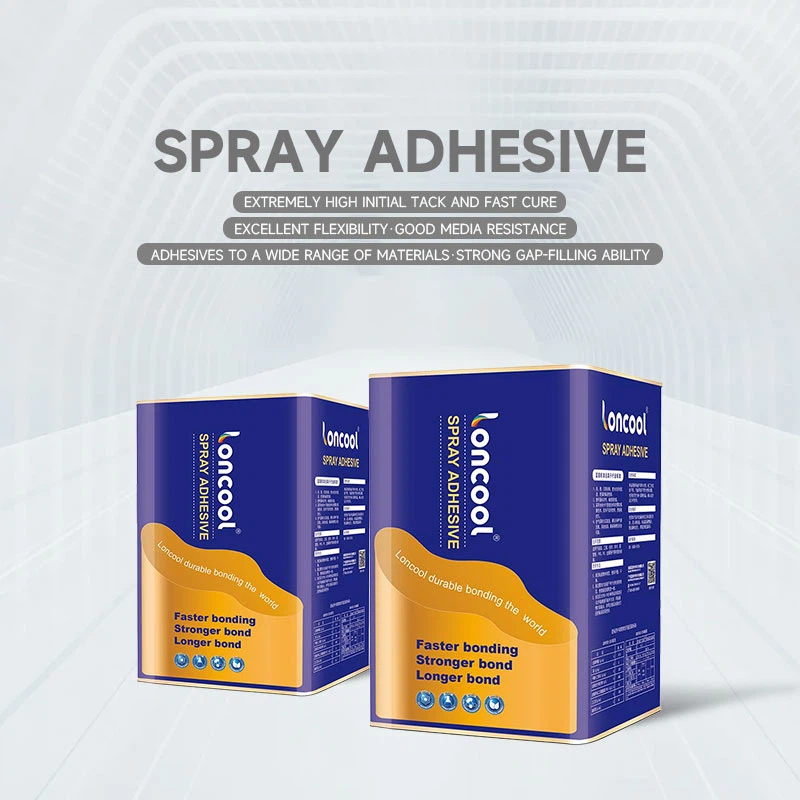
As a supplier of Liquid Nails Heavy Duty, I've encountered numerous inquiries regarding its compatibility with other adhesives. This topic is crucial for professionals and DIY enthusiasts alike, as understanding the compatibility can lead to more effective and reliable bonding solutions. In this blog, I'll delve into the science behind Liquid Nails Heavy Duty and its interaction with various adhesives.
Understanding Liquid Nails Heavy Duty
Liquid Nails Heavy Duty is a high - performance adhesive known for its strength and durability. It is formulated to bond a wide range of materials, including wood, metal, concrete, and drywall. The adhesive is designed to provide a long - lasting hold, even in challenging environments. Its heavy - duty nature makes it suitable for both construction and home improvement projects.
The chemical composition of Liquid Nails Heavy Duty plays a vital role in its performance. It typically contains polymers that form strong bonds when they cure. These polymers are carefully selected to ensure compatibility with different substrates. However, when it comes to using it in conjunction with other adhesives, several factors need to be considered.
Compatibility with Other Adhesives
1. Similar Adhesive Types
There are adhesives in the market that share similar chemical compositions with Liquid Nails Heavy Duty. For example, Liquid Nails Construction is part of the same product line. These adhesives are likely to be more compatible with each other because they are formulated to work within a similar chemical framework. When using two similar adhesives, the curing process is more likely to be consistent, and the bond strength can be maintained.
In some cases, using a combination of similar adhesives can enhance the overall performance. For instance, if you're working on a project where extra strength is required, you can use Liquid Nails Heavy Duty as a base layer and then apply Liquid Nails Construction on top. This can provide a stronger and more reliable bond, especially for heavy - weight materials.
2. Different Adhesive Types
When considering using Liquid Nails Heavy Duty with adhesives of different types, such as epoxy or cyanoacrylate adhesives, caution is necessary. Epoxy adhesives are known for their high - strength and chemical - resistant properties. They cure through a chemical reaction between two components. On the other hand, Liquid Nails Heavy Duty cures through a solvent - evaporation process.
Mixing these two types of adhesives can lead to unpredictable results. The different curing mechanisms may interfere with each other, resulting in a weaker bond or even a complete failure of the joint. For example, if the epoxy adhesive starts to cure before the solvent in Liquid Nails Heavy Duty has fully evaporated, it can trap the solvent, causing bubbles and reducing the bond strength.
Cyanoacrylate adhesives, also known as super glues, cure rapidly upon contact with moisture. They form a very strong but brittle bond. Combining them with Liquid Nails Heavy Duty can be challenging because of the difference in curing speed and bond characteristics. The rapid curing of cyanoacrylate may not allow the Liquid Nails Heavy Duty to properly set, leading to an unstable joint.
3. Compatibility Tests
Before using Liquid Nails Heavy Duty in combination with other adhesives, it is highly recommended to conduct compatibility tests. These tests can be simple and involve applying small amounts of the adhesives on a test surface similar to the actual project material. Observe the curing process, bond strength, and any signs of chemical reactions such as discoloration or bubbling.
If the compatibility test shows positive results, it is still important to proceed with caution on the actual project. Start with a small area and monitor the performance over time. This can help you avoid costly mistakes and ensure the long - term success of your project.
Case Studies
Let's look at some real - world examples to better understand the compatibility of Liquid Nails Heavy Duty with other adhesives.
Case 1: Woodworking Project
A woodworker was working on a large - scale furniture project. He wanted to use Liquid Nails Heavy Duty to bond the wooden joints for added strength. However, he also had some No More Nails adhesive left from a previous project. He decided to conduct a compatibility test on a scrap piece of wood.
He applied Liquid Nails Heavy Duty on one half of the joint and No More Nails on the other half, and then joined the pieces together. After the adhesives cured, he tested the bond strength by applying pressure. He found that the bond was strong, and there were no signs of separation or chemical reaction. Encouraged by the test results, he used the combination on the actual furniture project, and the final product turned out to be durable and stable.
Case 2: Construction Project
In a construction project, a contractor was tasked with installing heavy - duty metal brackets on a concrete wall. He initially planned to use only Liquid Nails Heavy Duty but thought about adding an epoxy adhesive for extra strength. He conducted a compatibility test on a small section of the concrete wall.
The test revealed that the epoxy adhesive started to cure too quickly, preventing the Liquid Nails Heavy Duty from properly bonding with the concrete. The bond was weak, and there were visible bubbles in the joint. As a result, the contractor decided to use only Liquid Nails Heavy Duty, which provided a reliable and long - lasting bond for the metal brackets.
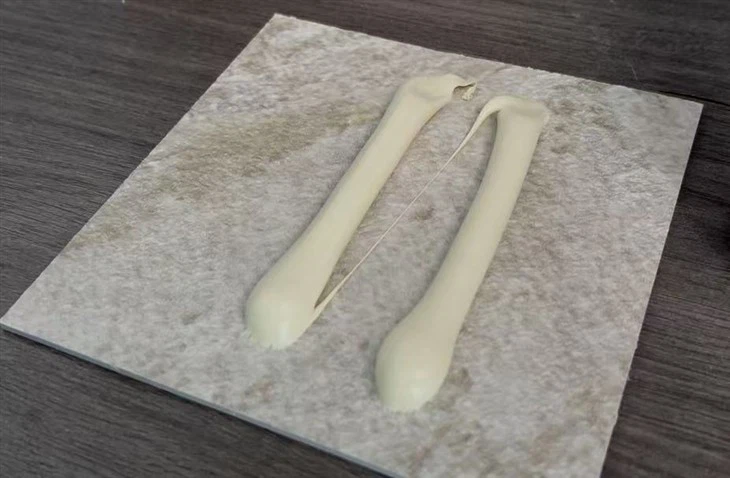

Tips for Using Liquid Nails Heavy Duty with Other Adhesives
- Read the Manufacturer's Instructions: Always read the instructions provided by the adhesive manufacturers. They often contain information about compatibility with other products.
- Clean the Surfaces: Ensure that the surfaces to be bonded are clean, dry, and free of dust, grease, and other contaminants. This can improve the bonding performance of both Liquid Nails Heavy Duty and other adhesives.
- Apply in the Right Order: If you're using a combination of adhesives, apply them in the correct order. For example, if one adhesive needs to be the base layer, apply it first and allow it to set for the recommended time before applying the second adhesive.
Conclusion
In conclusion, the compatibility of Liquid Nails Heavy Duty with other adhesives depends on various factors, including the chemical composition, curing mechanism, and the specific application. While it can be compatible with some adhesives, especially those of similar types, caution should be exercised when using it with adhesives of different types. Conducting compatibility tests is essential to ensure the success of your project.
If you're interested in learning more about Liquid Nails Heavy Duty or have any questions regarding its compatibility with other adhesives, feel free to reach out. We're here to provide you with the best advice and solutions for your bonding needs. Whether you're a professional contractor or a DIY enthusiast, we can help you make the most of this high - performance adhesive. Contact us for more information and to discuss your procurement requirements.
References
- Manufacturer's documentation for Liquid Nails Heavy Duty
- Technical data sheets of various adhesives in the market
- Industry research on adhesive compatibility