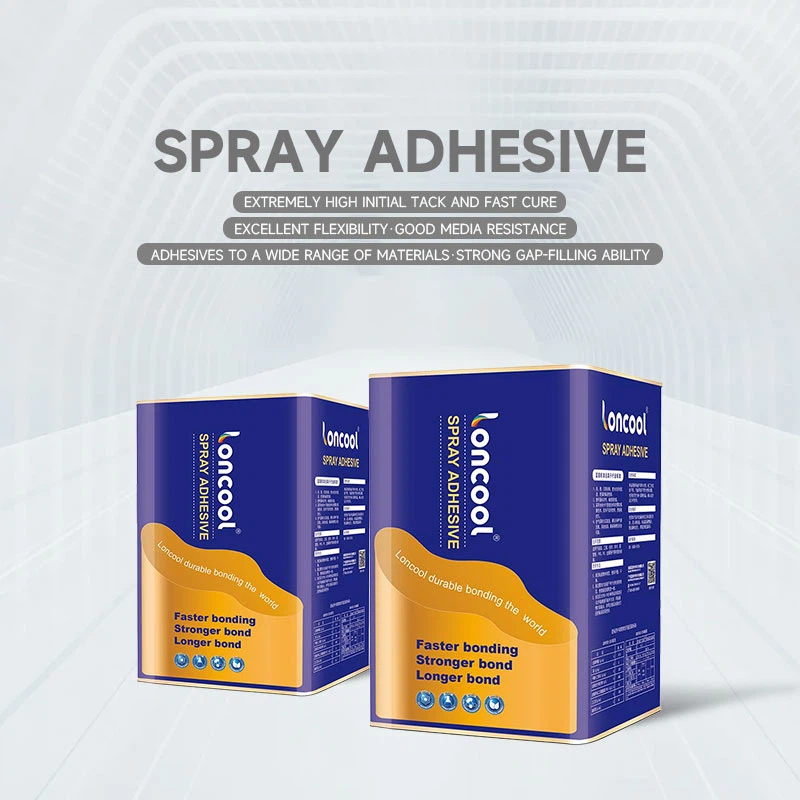
Construction silicone sealant is a versatile and essential material in the construction industry, known for its excellent sealing and bonding properties. As a construction silicone sealant supplier, I often get asked about the surfaces to which our sealants can adhere. In this blog post, I'll delve into the various surfaces that construction silicone sealant can bond to, providing a comprehensive guide for contractors, builders, and DIY enthusiasts alike.
Glass
Glass is one of the most common surfaces where construction silicone sealant is used. Whether it's for installing windows, glass doors, or glass partitions, silicone sealant provides a strong and flexible bond. The smooth and non - porous surface of glass can be challenging to bond to, but silicone sealants are formulated to adhere well. They create a watertight and airtight seal, preventing moisture and air infiltration. For example, in high - rise buildings, silicone sealants are used to seal the edges of glass curtain walls, ensuring the building's energy efficiency and weather resistance. You can learn more about sealant applications on glass at Sealant Construction.
Metal
Metals such as aluminum, steel, and copper are widely used in construction, and construction silicone sealant can bond effectively to these surfaces. Aluminum is commonly used in window frames and curtain wall systems. Silicone sealant can provide corrosion protection in addition to a strong bond. When bonding to steel, it can help prevent rust and water penetration. Copper, often used in roofing and plumbing, also benefits from the sealing properties of silicone. The flexibility of silicone sealant allows it to accommodate the expansion and contraction of metal due to temperature changes. Our Silicone Sealant for Construction is specifically designed to work well with different metals.
Concrete
Concrete is a fundamental construction material, and silicone sealant can be used to seal joints in concrete structures. Expansion joints, control joints, and construction joints in concrete slabs, walls, and foundations can all be sealed with silicone sealant. It helps prevent water from seeping into the concrete, which can cause damage over time, such as cracking and spalling. Silicone sealant can also resist the alkaline environment of concrete. When applying sealant to concrete, it's important to ensure the surface is clean and dry for optimal adhesion.
Brick and Masonry
Brick and masonry structures are common in both residential and commercial buildings. Construction silicone sealant can be used to seal gaps between bricks, around windows and doors in masonry walls, and at the junctions of different masonry elements. It provides a durable and weather - resistant seal. The porous nature of brick and masonry requires proper surface preparation before applying the sealant. Cleaning the surface to remove dirt, dust, and loose particles is crucial. Our Neutral Silicone Structural Adhesive can be a great choice for bonding and sealing in brick and masonry applications.
Wood
Wood is another material where construction silicone sealant can be used. It can be applied around wooden windows, doors, and exterior cladding to prevent water ingress. Silicone sealant can also be used to seal joints in wooden decks and fences. However, it's important to note that some types of wood may contain natural oils or chemicals that can affect the adhesion of the sealant. Therefore, it's recommended to test the sealant on a small, inconspicuous area first.
Plastic
Certain types of plastics, such as PVC (polyvinyl chloride), can be bonded with construction silicone sealant. PVC is commonly used in pipes, window frames, and siding. Silicone sealant can provide a reliable seal for PVC joints, preventing leaks. Other plastics like acrylic and polycarbonate, which are used in glazing and signage, can also be sealed with silicone. However, the surface energy of plastics can vary, and some may require special surface treatments to ensure good adhesion.
Stone
Natural stones like granite, marble, and limestone are often used in construction for flooring, countertops, and facades. Construction silicone sealant can be used to seal joints between stone slabs, preventing water and dirt from getting in. It can also enhance the aesthetic appearance of the stonework by providing a clean and uniform look. When working with stone, it's important to choose a sealant that won't stain the stone, especially for light - colored stones.
Factors Affecting Adhesion
While construction silicone sealant can adhere to a wide range of surfaces, several factors can affect its adhesion. Surface cleanliness is of utmost importance. Any dirt, grease, oil, or loose particles on the surface can prevent the sealant from bonding properly. Therefore, surfaces should be thoroughly cleaned before applying the sealant.
The temperature and humidity during application also play a role. Most silicone sealants have an optimal temperature range for application, usually between 40°F (4°C) and 100°F (38°C). High humidity can slow down the curing process, while extremely low temperatures can make the sealant too thick and difficult to apply.
Surface preparation is another key factor. For some surfaces, such as metals and plastics, priming may be required to improve adhesion. Primers can help the sealant bond better by altering the surface properties.
Application Tips
To ensure the best adhesion of construction silicone sealant, follow these application tips:
- Clean the surface: Use a suitable cleaner to remove dirt, grease, and other contaminants. Allow the surface to dry completely before applying the sealant.
- Mask the area: Use masking tape to create a clean and straight edge for the sealant. This will also make it easier to clean up any excess sealant.
- Apply the sealant: Cut the tip of the sealant cartridge at the appropriate angle and size. Apply the sealant evenly along the joint or surface, using a caulking gun.
- Tool the sealant: Use a tool, such as a putty knife or a sealant finishing tool, to smooth the surface of the sealant and ensure good contact with the surface.
- Allow curing time: Let the sealant cure according to the manufacturer's instructions. This usually takes several hours to a few days, depending on the temperature and humidity.
Conclusion
As a construction silicone sealant supplier, I'm proud to offer products that can adhere to a wide variety of surfaces, including glass, metal, concrete, brick, wood, plastic, stone, and more. Our Sealant Construction, Silicone Sealant for Construction, and Neutral Silicone Structural Adhesive are designed to meet the diverse needs of the construction industry.
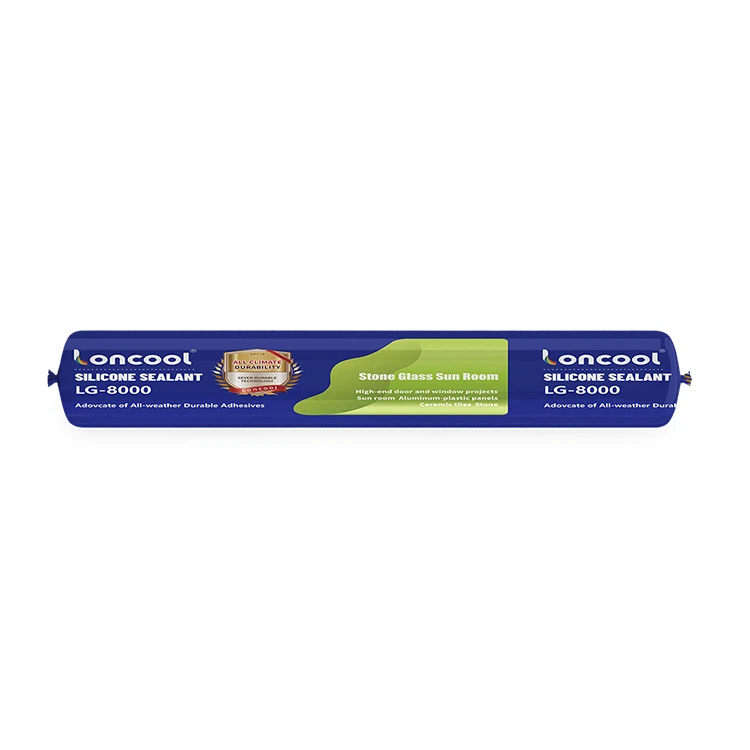

If you're in the market for high - quality construction silicone sealant, I encourage you to contact us for a detailed discussion about your specific requirements. We can provide you with the right product and technical support to ensure the success of your construction projects.
References
- ASTM International. (2023). Standard test methods for adhesives. ASTM International.
- Sealant and Waterproofing Institute. (2023). Best practices for sealant application. Sealant and Waterproofing Institute.