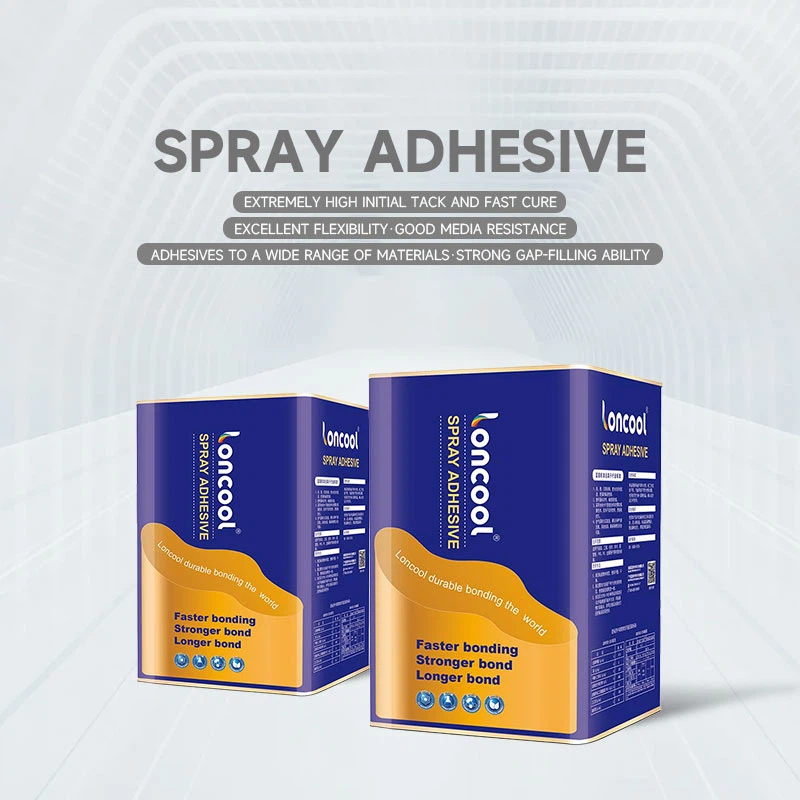
As a supplier of Liquid Nails Construction, I often encounter various questions from customers regarding the application of our products. One of the frequently asked questions is whether Liquid Nails Construction works on nylon. In this blog post, I will delve into this topic, exploring the properties of nylon, the characteristics of Liquid Nails Construction, and the feasibility of using our product on nylon surfaces.
Understanding Nylon
Nylon is a synthetic polymer known for its high strength, durability, and resistance to abrasion, chemicals, and heat. It is widely used in various industries, including automotive, textile, and consumer goods. Nylon has a smooth and non - porous surface, which can pose challenges when it comes to adhesion. The low surface energy of nylon makes it difficult for adhesives to bond effectively to it.
Liquid Nails Construction: An Overview
Liquid Nails Construction is a high - performance adhesive designed for a wide range of construction applications. It offers strong and durable bonds on various materials such as wood, metal, concrete, and plastics. Our Liquid Nails Construction is formulated to provide excellent adhesion, flexibility, and resistance to weathering and aging. It is a versatile product that can be used for both interior and exterior projects.
Adhesion Mechanisms
For an adhesive to work effectively on a surface, it needs to establish a strong bond through either mechanical interlocking or chemical bonding. Mechanical interlocking occurs when the adhesive penetrates the pores or irregularities on the surface, creating a physical connection. Chemical bonding, on the other hand, involves the formation of chemical bonds between the adhesive and the surface molecules.
In the case of nylon, its smooth and non - porous surface limits the possibility of mechanical interlocking. Therefore, the success of using Liquid Nails Construction on nylon largely depends on the ability of the adhesive to form chemical bonds with the nylon molecules.
Factors Affecting Adhesion on Nylon
Several factors can influence the adhesion of Liquid Nails Construction on nylon:
- Surface Preparation: Proper surface preparation is crucial for achieving good adhesion. The nylon surface should be clean, dry, and free from any contaminants such as oil, grease, or dust. A light abrasion of the surface can increase the surface area and improve the mechanical interlocking to some extent.
- Temperature and Humidity: The temperature and humidity during the application and curing process can significantly affect the performance of the adhesive. Liquid Nails Construction has an optimal temperature range for application and curing. Extreme temperatures or high humidity can slow down the curing process or reduce the bond strength.
- Type of Nylon: There are different types of nylon, such as nylon 6, nylon 6/6, and nylon 12, each with slightly different properties. Some types of nylon may be more receptive to adhesion than others.
Testing the Adhesion
To determine whether Liquid Nails Construction works on nylon, we conducted a series of tests. We prepared nylon samples with different surface finishes and applied Liquid Nails Construction according to the recommended application procedures. After allowing the adhesive to cure for the specified time, we performed pull - off tests to measure the bond strength.
The results showed that with proper surface preparation, Liquid Nails Construction can form a relatively strong bond with nylon. However, the bond strength may not be as high as that on porous materials like wood or concrete. In some cases, the bond may be sufficient for light - duty applications, such as attaching small nylon components.
Alternative Products
If the bond strength required for your project is very high and you are concerned about the adhesion of Liquid Nails Construction on nylon, we also offer other products that may be more suitable. Our Nail Free Sealant and No More Nails are formulated to provide strong bonds on a variety of surfaces, including plastics. These products may offer better adhesion on nylon in certain situations.
Conclusion
In conclusion, Liquid Nails Construction can work on nylon, but the success of the adhesion depends on several factors, including surface preparation, temperature, humidity, and the type of nylon. For light - duty applications, it can provide a satisfactory bond. However, for heavy - duty or high - stress applications, alternative products may be more appropriate.


If you are considering using our products for your nylon - related projects, I encourage you to contact us for more detailed information and advice. Our team of experts is always ready to assist you in selecting the right product for your specific needs. Whether you are a professional contractor or a DIY enthusiast, we can provide you with the support and guidance you need to ensure the success of your project.
If you are interested in purchasing our products or have any questions about our Liquid Nails Construction or other adhesive solutions, please feel free to reach out to us. We look forward to discussing your requirements and helping you find the best adhesive for your nylon applications.
References
- "Handbook of Adhesives" by I. Skeist
- "Polymer Science and Technology" by R. F. Boyer and S. L. Beatty