Safety is of paramount importance in any construction project, and sealant construction is no exception. As a leading sealant construction supplier, we understand the significance of adhering to strict safety precautions to ensure the well - being of workers and the success of the project. In this blog, we will discuss the key safety measures that should be taken during sealant construction.
Personal Protective Equipment (PPE)
The first line of defense in sealant construction is the proper use of personal protective equipment. PPE serves as a barrier between the worker and potential hazards.

Eye Protection
When working with sealants, there is a risk of splashes or fumes that can cause eye irritation or damage. Workers should always wear safety goggles or face shields. These should be impact - resistant and provide a good seal around the eyes to prevent any sealant particles or chemicals from entering. For example, when applying sealant in a confined space where there is a higher chance of splashing, full - face shields can offer better protection.
Hand Protection
Sealants can be sticky and may contain chemicals that can cause skin irritation or allergic reactions. Workers must wear appropriate gloves. Nitrile gloves are a popular choice as they are resistant to many chemicals and provide a good grip. Latex gloves can also be used, but some people may be allergic to latex. Gloves should be inspected regularly for any signs of damage and replaced immediately if they are torn or punctured.
Respiratory Protection
Depending on the type of sealant being used, there may be fumes or dust that can be harmful if inhaled. In areas with poor ventilation, workers should wear respirators. For sealants that produce low - level fumes, a simple particulate respirator may be sufficient. However, for sealants with high - level chemical emissions, a powered air - purifying respirator (PAPR) or a supplied - air respirator may be required.
Clothing Protection
Workers should wear long - sleeved shirts and long pants to protect their skin from contact with sealants. The clothing should be made of a material that is resistant to chemicals and easy to clean. Additionally, wearing a protective apron can provide an extra layer of protection, especially when working with large quantities of sealant.
Workplace Safety
Creating a safe workplace environment is crucial for sealant construction.
Ventilation
Proper ventilation is essential to remove fumes and dust from the work area. In indoor construction sites, mechanical ventilation systems should be used to ensure a continuous supply of fresh air. Open windows and doors can also help improve natural ventilation. When working in confined spaces, such as crawl spaces or small rooms, portable ventilation fans can be used to circulate the air.
Housekeeping
A clean and organized work area reduces the risk of accidents. Sealant containers, tools, and other materials should be stored properly. Spilled sealant should be cleaned up immediately to prevent slips and falls. Tools should be kept in good working condition and stored in a designated area when not in use.
Fire Safety
Some sealants are flammable, so fire safety measures must be in place. Smoking should be prohibited in the work area. Fire extinguishers should be readily available and workers should be trained on how to use them. Electrical equipment should be properly grounded to prevent sparks that could ignite flammable sealants.
Structural Integrity
Before starting sealant construction, the structure where the sealant will be applied should be inspected for any signs of damage or instability. If there are any issues, they should be addressed before proceeding with the sealant application. This ensures that the sealant will be applied to a stable surface and reduces the risk of the structure collapsing during the construction process.
Product - Specific Safety
Different types of sealants have different safety requirements.
Construction Waterproof Sealant
Construction waterproof sealants are commonly used to prevent water penetration in buildings. Some of these sealants may contain solvents that can be harmful. Workers should follow the manufacturer's instructions carefully regarding application and safety. These sealants may require specific curing times and environmental conditions, and workers should ensure that these are met to avoid any safety issues.
Structural Sealant
Structural sealants are used to bond and support structural components. They are often high - strength and may contain chemicals that require special handling. Workers should be trained on the proper mixing and application techniques for structural sealants. Over - or under - mixing can affect the performance of the sealant and may also pose safety risks.
Neutral Silicone Structural Adhesive
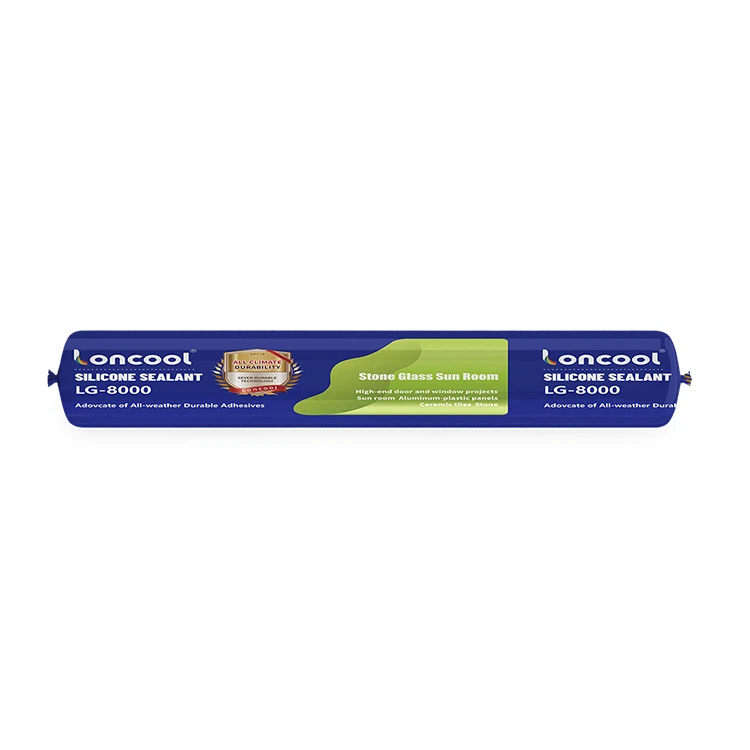
Neutral silicone structural adhesives are widely used in construction due to their excellent adhesion and weather resistance. However, they can release acetic acid during the curing process, which can cause irritation to the eyes, skin, and respiratory system. Adequate ventilation is crucial when using this type of adhesive, and workers should take extra care to avoid contact with the uncured adhesive.
Training and Education
Proper training and education are essential for ensuring the safety of workers in sealant construction.
Manufacturer Training
Workers should receive training from the sealant manufacturers. This training should cover the properties of the sealant, proper application techniques, and safety precautions. Manufacturers often provide detailed product data sheets and safety information sheets that workers should be familiar with.
In - House Training
In addition to manufacturer training, in - house training programs can be developed to address specific safety issues in the workplace. These programs can include hands - on training on the use of PPE, emergency response procedures, and proper housekeeping practices.
Regular Refresher Courses
Safety training should not be a one - time event. Regular refresher courses should be conducted to keep workers updated on the latest safety regulations and best practices. This helps reinforce the importance of safety and ensures that workers are always aware of the potential hazards.
Emergency Preparedness
Despite all the safety precautions, emergencies can still occur. It is important to be prepared for such situations.
First - Aid Kits
First - aid kits should be available at the work site. These kits should be well - stocked with basic medical supplies, such as bandages, antiseptic wipes, and pain relievers. Workers should be trained on how to use the first - aid kits in case of minor injuries.
Emergency Response Plans
An emergency response plan should be developed and communicated to all workers. The plan should include procedures for dealing with fires, chemical spills, and injuries. Workers should know the location of emergency exits, fire alarms, and emergency shutdown switches.
Evacuation Routes
Evacuation routes should be clearly marked and easily accessible. Regular evacuation drills should be conducted to ensure that workers are familiar with the routes and can evacuate the work area quickly in case of an emergency.
As a sealant construction supplier, we are committed to providing high - quality sealants and promoting safety in the construction industry. If you are in need of sealants for your construction project and want to learn more about our products or discuss safety precautions further, we encourage you to contact us for procurement and to engage in in - depth discussions. Our team of experts is ready to assist you in making the right choices for your project.
References
- "Construction Safety Manual" by the Occupational Safety and Health Administration (OSHA)
- Product data sheets and safety information sheets provided by sealant manufacturers.
- "Safety in the Built Environment" by various industry - leading construction safety organizations.