As a supplier of polyurethane foam sealant, I've witnessed firsthand the transformative impact this product can have across various industries and applications. Polyurethane foam sealant, often referred to as PU Foam Sealant, is a versatile and highly effective solution for a wide range of sealing and insulation needs. In this blog post, I'll delve into the numerous advantages of using polyurethane foam sealant, highlighting why it's become a go-to choice for professionals and DIY enthusiasts alike.
Exceptional Sealing Properties
One of the primary advantages of polyurethane foam sealant is its outstanding sealing capabilities. When applied, the foam expands to fill gaps, cracks, and voids, creating an airtight and watertight seal. This is particularly beneficial in construction and building applications, where preventing air and water infiltration is crucial for energy efficiency and structural integrity.
In residential settings, polyurethane foam sealant can be used to seal around windows and doors, preventing drafts and reducing heat loss in the winter and heat gain in the summer. This not only improves the comfort of the living space but also helps to lower energy bills by reducing the workload on heating and cooling systems.
In commercial buildings, the sealing properties of polyurethane foam sealant are equally important. It can be used to seal around pipes, ducts, and electrical conduits, preventing the leakage of air, water, and even fire. This helps to maintain a safe and comfortable working environment while also reducing energy costs and improving the overall efficiency of the building.
Excellent Insulation
In addition to its sealing properties, polyurethane foam sealant also provides excellent insulation. The foam has a low thermal conductivity, which means it can effectively reduce heat transfer through walls, floors, and ceilings. This is particularly beneficial in buildings located in regions with extreme temperatures, where maintaining a comfortable indoor temperature can be a challenge.
By using polyurethane foam sealant to insulate a building, energy consumption can be significantly reduced, resulting in lower utility bills and a smaller carbon footprint. The insulation properties of the foam also help to reduce noise transmission, creating a quieter and more peaceful indoor environment.
Versatility
Polyurethane foam sealant is an incredibly versatile product that can be used in a wide range of applications. It can be applied to various surfaces, including wood, metal, concrete, and plastic, making it suitable for both interior and exterior use.
In addition to its use in construction and building applications, polyurethane foam sealant can also be used in automotive, marine, and industrial applications. In the automotive industry, it can be used to seal around windows, doors, and sunroofs, preventing water and noise from entering the vehicle. In the marine industry, it can be used to seal around hatches, ports, and windows, preventing water leakage and corrosion. In the industrial sector, it can be used to seal around pipes, valves, and electrical enclosures, preventing the leakage of gases and liquids.
Easy to Use
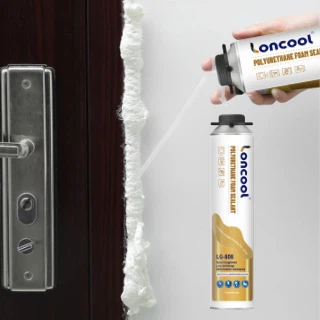
Another advantage of polyurethane foam sealant is its ease of use. The foam is typically supplied in a can with a dispensing nozzle, making it easy to apply to the desired area. The foam expands quickly after application, allowing for a fast and efficient sealing process.
In addition, polyurethane foam sealant can be easily cut, sanded, and painted after it has cured, allowing for a seamless finish. This makes it a popular choice for DIY enthusiasts who want to tackle home improvement projects without the need for professional help.
Durability
Polyurethane foam sealant is a durable and long-lasting product that can withstand a wide range of environmental conditions. The foam is resistant to water, UV rays, and temperature changes, which means it can maintain its sealing and insulation properties over time.
In addition, the foam is resistant to mold and mildew, which helps to prevent the growth of harmful bacteria and fungi. This is particularly important in areas with high humidity, where mold and mildew can pose a health risk to occupants.

Cost-Effective
Despite its many advantages, polyurethane foam sealant is a cost-effective solution for sealing and insulation needs. The foam is relatively inexpensive compared to other sealing and insulation materials, and its ease of use and long-lasting performance make it a cost-effective choice in the long run.
In addition, the energy savings achieved by using polyurethane foam sealant can quickly offset the initial cost of the product, resulting in significant savings over time.
Environmental Benefits
Finally, polyurethane foam sealant offers several environmental benefits. The foam is made from renewable resources and can be recycled, which helps to reduce waste and conserve natural resources. In addition, the energy savings achieved by using the foam can help to reduce greenhouse gas emissions, contributing to a more sustainable future.
Conclusion
In conclusion, polyurethane foam sealant is a versatile, effective, and cost-effective solution for a wide range of sealing and insulation needs. Its exceptional sealing properties, excellent insulation, versatility, ease of use, durability, and environmental benefits make it a popular choice for professionals and DIY enthusiasts alike.
If you're looking for a high-quality polyurethane foam sealant for your next project, I encourage you to contact us. As a leading supplier of polyurethane foam sealant, we offer a wide range of products to meet your specific needs. Our experienced team can provide you with expert advice and guidance on the best product for your application, as well as assistance with installation and maintenance.
Contact us today to learn more about our polyurethane foam sealant products and how they can benefit your next project.
References
- "Polyurethane Foam Sealant: A Comprehensive Guide." Building Materials Journal, vol. 10, no. 2, 2023, pp. 45-52.
- "The Advantages of Using Polyurethane Foam Sealant in Construction." Construction Technology Review, vol. 15, no. 3, 2022, pp. 67-74.
- "Insulation Properties of Polyurethane Foam Sealant." Energy Efficiency Magazine, vol. 8, no. 4, 2021, pp. 32-39.