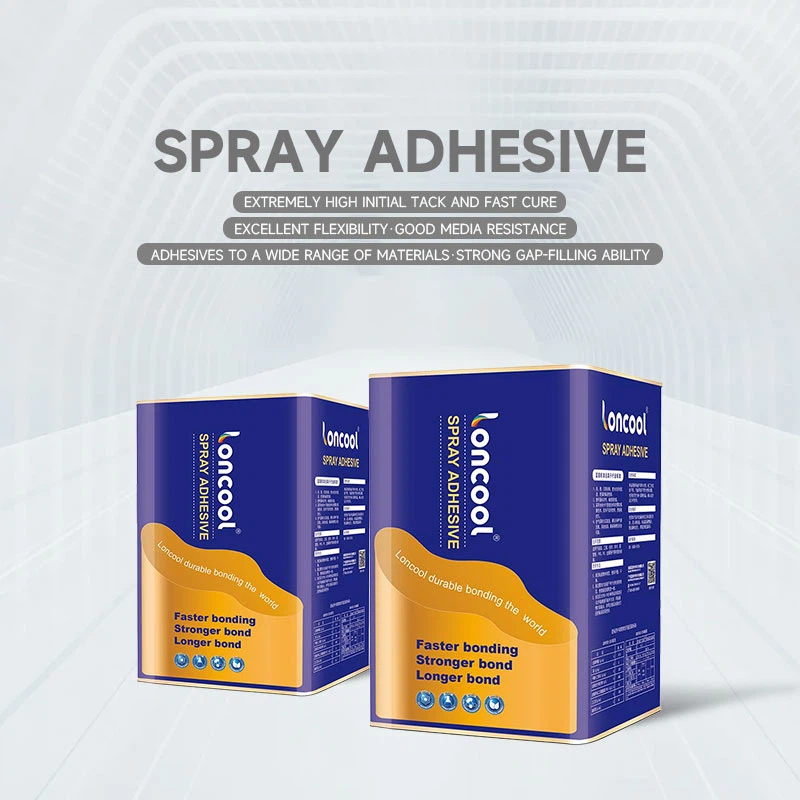
As a supplier of liquid nails, I am often asked about the science behind how liquid nails bond to fiberglass. Fiberglass is a popular material due to its strength, durability, and lightweight nature, making it a common choice in various industries such as automotive, marine, and construction. Understanding how liquid nails adhere to fiberglass can help users achieve the best results in their projects.
The Composition of Liquid Nails and Fiberglass
Before delving into the bonding process, it's essential to understand the components of both liquid nails and fiberglass. Liquid nails are a type of adhesive that typically consists of polymers, solvents, and additives. The polymers are responsible for forming the bond, while the solvents help to keep the adhesive in a liquid state until it dries. Additives can include fillers, thickeners, and stabilizers, which enhance the performance and properties of the adhesive.
Fiberglass, on the other hand, is a composite material made of fine glass fibers embedded in a resin matrix. The glass fibers provide strength and stiffness, while the resin matrix holds the fibers together and protects them from damage. The resin can be made from various materials, such as polyester, epoxy, or vinyl ester, each with its own properties and characteristics.
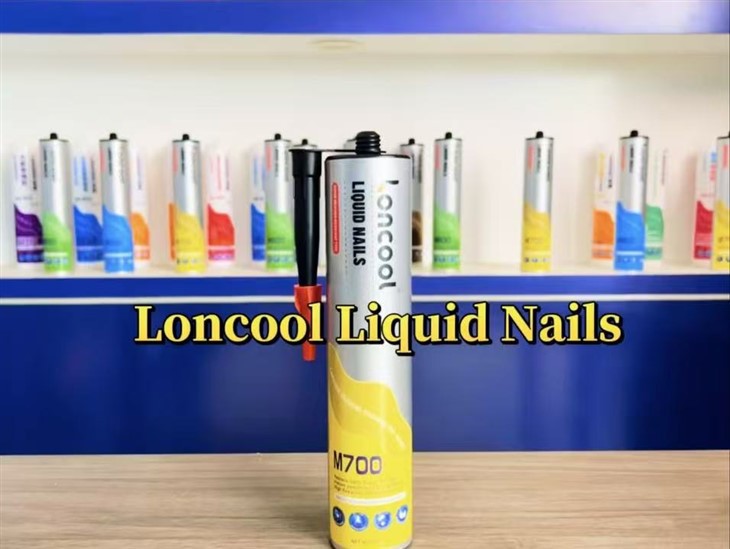

The Bonding Mechanism
The bonding of liquid nails to fiberglass occurs through a combination of mechanical and chemical adhesion. Mechanical adhesion involves the physical interlocking of the adhesive with the surface of the fiberglass. When liquid nails are applied to fiberglass, the adhesive seeps into the pores and irregularities on the surface, creating a mechanical bond. This bond is similar to how a nail or screw holds two pieces of material together, but on a microscopic level.
Chemical adhesion, on the other hand, involves the formation of chemical bonds between the adhesive and the fiberglass. The polymers in the liquid nails react with the resin matrix in the fiberglass, creating a strong and durable bond. This chemical reaction is often referred to as cross-linking, where the polymer chains in the adhesive form bonds with the molecules in the fiberglass resin.
Factors Affecting the Bond
Several factors can affect the strength and durability of the bond between liquid nails and fiberglass. These factors include:
- Surface Preparation: Proper surface preparation is crucial for achieving a strong bond. The fiberglass surface should be clean, dry, and free of any contaminants such as dirt, grease, or wax. Sanding the surface can also help to increase the surface area and improve the mechanical adhesion of the adhesive.
- Adhesive Selection: Not all liquid nails are suitable for bonding to fiberglass. It's important to choose an adhesive that is specifically designed for use with fiberglass. Liquid Nails Heavy Duty is a popular choice for bonding fiberglass due to its high strength and durability.
- Application Method: The application method can also affect the bond strength. It's important to apply the adhesive evenly and in the correct amount. Too little adhesive may not provide enough bonding strength, while too much adhesive can cause the bond to fail due to excessive stress.
- Curing Time: The curing time of the adhesive is also an important factor. Most liquid nails require a certain amount of time to cure and reach their full strength. It's important to follow the manufacturer's instructions regarding the curing time and temperature.
Applications of Liquid Nails on Fiberglass
Liquid nails are widely used in various applications involving fiberglass. Some common applications include:
- Automotive: Liquid nails are used to bond fiberglass body panels, spoilers, and other components in the automotive industry. The strong bond provided by liquid nails helps to ensure the durability and integrity of the vehicle.
- Marine: In the marine industry, liquid nails are used to bond fiberglass hulls, decks, and other components. The waterproof and corrosion-resistant properties of liquid nails make them ideal for use in marine environments.
- Construction: Liquid nails are also used in the construction industry to bond fiberglass insulation, panels, and other materials. The strong bond and ease of application make liquid nails a popular choice for construction projects.
Advantages of Using Liquid Nails on Fiberglass
There are several advantages to using liquid nails to bond fiberglass, including:
- Strength and Durability: Liquid nails provide a strong and durable bond that can withstand the rigors of various applications. The bond is resistant to vibration, shock, and temperature changes, ensuring the long-term integrity of the bonded components.
- Ease of Application: Liquid nails are easy to apply, even for DIY enthusiasts. They can be applied using a caulking gun or a putty knife, and there is no need for special tools or equipment.
- Versatility: Liquid nails can be used to bond a variety of materials, including fiberglass, wood, metal, and plastic. This versatility makes them a popular choice for a wide range of applications.
- Cost-Effective: Liquid nails are a cost-effective alternative to traditional fastening methods such as nails, screws, and rivets. They eliminate the need for drilling holes and can save time and money on labor costs.
Conclusion
In conclusion, liquid nails bond to fiberglass through a combination of mechanical and chemical adhesion. The strength and durability of the bond depend on several factors, including surface preparation, adhesive selection, application method, and curing time. Liquid nails are widely used in various applications involving fiberglass due to their strength, durability, ease of application, and cost-effectiveness.
If you are looking for a reliable and high-quality liquid nails for your fiberglass projects, look no further. As a leading supplier of liquid nails, we offer a wide range of products that are specifically designed for use with fiberglass. Our Nail Free Sealant and No More Nails are popular choices for bonding fiberglass due to their excellent bonding properties and ease of use.
Contact us today to discuss your specific requirements and let us help you find the perfect liquid nails for your project. We are committed to providing our customers with the best products and services, and we look forward to working with you.
References
- ASTM International. (2021). Standard Test Methods for Strength Properties of Adhesives in Shear by Tension Loading of Single-Lap-Joint Laminated Assemblies. ASTM D1002-10(2020)e1.
- ISO. (2013). Adhesives - Determination of Tensile Lap-Shear Strength of Rigid-to-Rigid Joints. ISO 4587:2003.
- Manufacturers' product literature and technical data sheets.