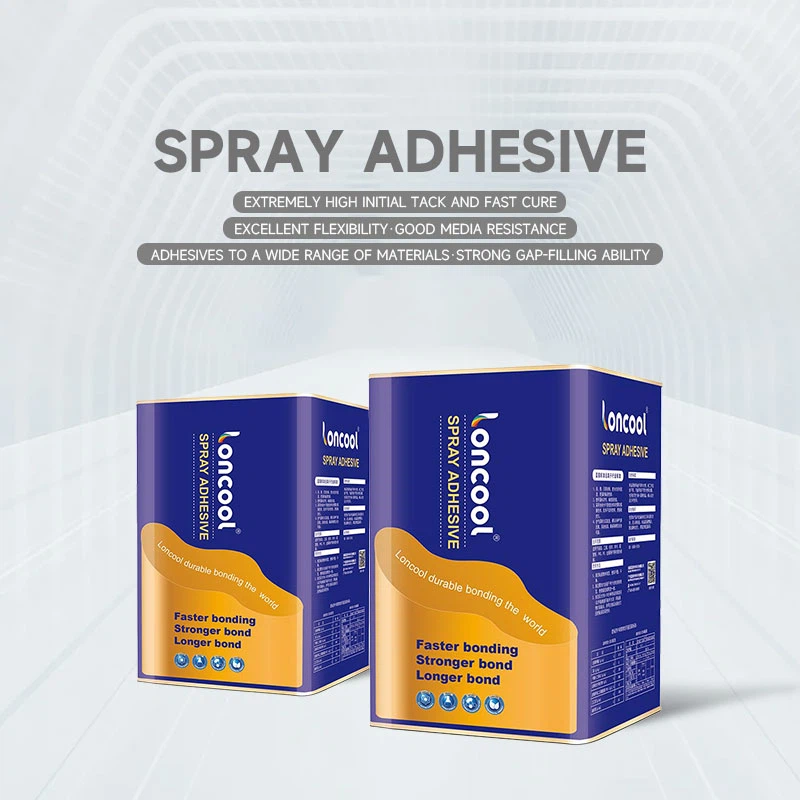
When it comes to roofing, one of the crucial aspects is ensuring a proper seal to prevent leaks, moisture ingress, and other potential issues. A variety of sealing materials are available in the market, and PU foam sealant is one that has gained significant attention. As a supplier of PU Foam Sealant, I've had numerous discussions with customers about its suitability for roof sealing. In this blog, I'll explore the various factors that determine whether PU foam sealant is a good choice for sealing roofs.
Understanding PU Foam Sealant
PU foam sealant, or polyurethane foam sealant, is a versatile product known for its excellent adhesive properties and ability to expand upon application. It is typically sold in aerosol cans or cartridges and can be applied easily with a foam gun. When applied, the foam expands to fill gaps, cracks, and voids, creating a tight seal. This expansion property makes it particularly useful for irregularly shaped areas and hard-to-reach spots.
The chemical composition of PU foam sealant allows it to cure quickly, forming a durable and flexible seal. It can adhere to a wide range of materials commonly found in roofing, such as wood, metal, concrete, and plastic. Additionally, it has good insulation properties, which can help in reducing energy costs by preventing heat transfer through the roof.
Advantages of Using PU Foam Sealant for Roofs
Excellent Sealing Performance
One of the primary advantages of using PU foam sealant for roof sealing is its ability to create a tight and effective seal. The expanding foam can fill even the smallest cracks and gaps, preventing water, air, and pests from entering the building. This is especially important for roofs, as any small opening can lead to significant water damage over time.
For example, in older buildings where the roof may have developed small cracks due to weathering or settling, PU foam sealant can be used to seal these cracks and prevent further deterioration. The foam expands to fill the entire crack, creating a waterproof barrier that protects the underlying structure.
Flexibility and Durability
Roofs are subject to various environmental factors, such as temperature changes, wind, and precipitation. These factors can cause the roof materials to expand and contract, which can lead to the failure of rigid sealing materials. PU foam sealant, on the other hand, is flexible and can accommodate these movements without losing its sealing properties.
It also has good resistance to UV radiation, which is important for roofs that are exposed to sunlight. Over time, UV radiation can cause some sealing materials to degrade, but PU foam sealant can withstand these effects and maintain its integrity for an extended period.
Easy Application
Applying PU foam sealant is relatively straightforward, even for DIY enthusiasts. With the use of a foam gun, the sealant can be precisely applied to the areas that need sealing. This ease of application can save time and labor costs, especially for small to medium-sized roofing projects.
Moreover, the quick curing time of PU foam sealant means that the roof can be back in use soon after application. This is beneficial for commercial buildings where downtime needs to be minimized.
Insulation Properties
In addition to its sealing capabilities, PU foam sealant also provides insulation benefits. It can help to reduce heat transfer through the roof, which can lead to lower energy consumption for heating and cooling. This is particularly important in regions with extreme temperatures, as it can contribute to significant cost savings over time.
Limitations of Using PU Foam Sealant for Roofs
Surface Preparation
Proper surface preparation is crucial for the successful application of PU foam sealant. The surface must be clean, dry, and free of any debris, oil, or paint. If the surface is not properly prepared, the adhesion of the foam may be compromised, leading to a less effective seal.


For example, if there is dirt or moisture on the roof surface, the foam may not bond properly, and water may still be able to penetrate through the seal. This means that additional time and effort may be required for surface preparation, which can increase the overall cost of the project.
Limited Resistance to Abrasion
While PU foam sealant is durable in many aspects, it has limited resistance to abrasion. If the roof is subject to foot traffic or other forms of mechanical stress, the foam may be damaged over time. This can compromise the seal and require additional maintenance or reapplication.
Compatibility with Roofing Materials
Although PU foam sealant can adhere to a wide range of materials, there may be compatibility issues with certain roofing materials. For example, some types of rubber roofing may react with the chemicals in the foam, leading to degradation of the roofing material. It is important to test the sealant on a small area first to ensure compatibility before applying it to the entire roof.
Factors to Consider Before Using PU Foam Sealant for Roofs
Roof Type
Different types of roofs have different requirements for sealing. For example, flat roofs may have different drainage patterns and are more prone to ponding water, which can put additional stress on the sealant. In contrast, pitched roofs may be more exposed to wind and rain, requiring a sealant that can withstand these elements.
It is important to consider the specific characteristics of the roof type when choosing a sealant. PU foam sealant may be more suitable for certain roof types than others, depending on its sealing performance and durability.
Climate Conditions
The climate in which the building is located also plays a significant role in determining the suitability of PU foam sealant for roof sealing. In areas with high humidity, for example, the sealant may be more prone to mold and mildew growth if it is not properly formulated. In regions with extreme temperature variations, the flexibility of the sealant may be tested, and it may need to be able to withstand both hot and cold temperatures without losing its sealing properties.
Budget
Cost is always a consideration when choosing a roofing sealant. PU foam sealant can vary in price depending on the brand, quality, and quantity. While it may offer many benefits, it is important to compare the cost of using PU foam sealant with other sealing options to ensure that it fits within the budget.
Conclusion
In conclusion, PU foam sealant can be a suitable option for sealing roofs in many cases. Its excellent sealing performance, flexibility, and ease of application make it an attractive choice for both DIYers and professional roofers. However, it also has some limitations, such as the need for proper surface preparation and limited resistance to abrasion.
Before using PU foam sealant for roof sealing, it is important to carefully consider the roof type, climate conditions, and budget. By doing so, you can ensure that you make the right choice for your roofing project.
If you're interested in learning more about our PU Foam Sealant or have any questions about its suitability for your roof, please don't hesitate to contact us. We're here to help you make an informed decision and provide you with the best sealing solution for your needs.
References
- Building Sealing Technology Handbook
- Polyurethane Foam Sealant: Properties and Applications, Journal of Construction Materials