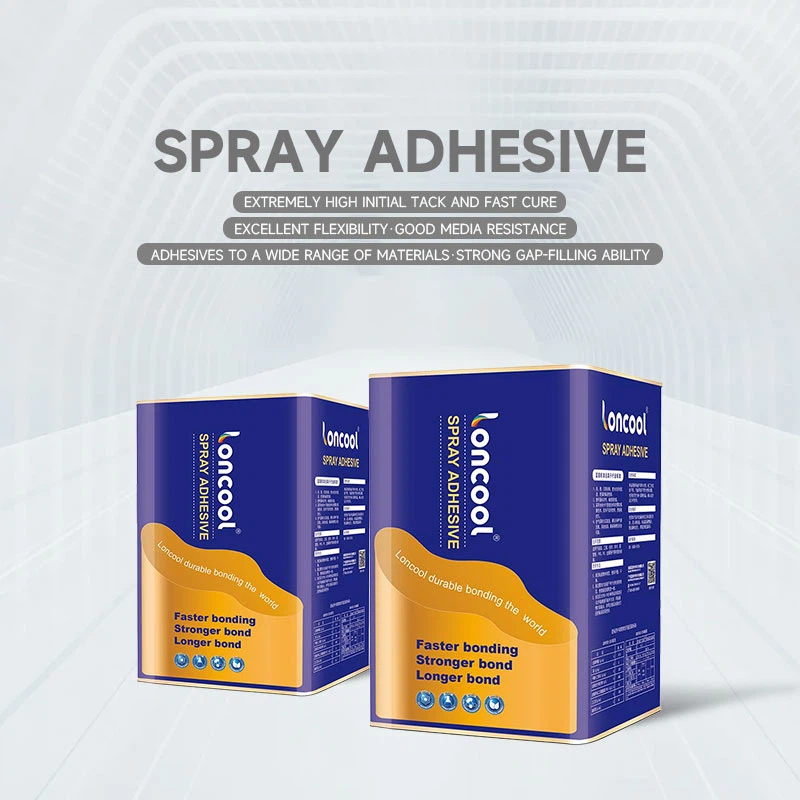
Bonding plastic to metal is a common requirement in various industries, from automotive manufacturing to electronics assembly. One method that often comes into consideration is the use of spray adhesive. As a spray adhesive supplier, I've encountered numerous inquiries about the suitability of spray adhesives for this specific bonding task. In this blog, I'll delve into the factors that determine whether spray adhesive can be used for bonding plastic to metal, exploring the advantages, limitations, and best practices.
Understanding the Basics of Spray Adhesives
Spray adhesives are a type of adhesive that is applied in a fine mist through a spray nozzle. They offer several advantages, such as quick and even application, which can save time and labor costs. The spray pattern allows for a wide coverage area, making it suitable for bonding large surfaces. Additionally, spray adhesives can penetrate porous materials, providing a strong bond.
However, not all spray adhesives are created equal. They come in different formulations, each designed for specific applications. Some are designed for general-purpose bonding, while others are formulated for specific materials or environments. Therefore, the first step in determining whether a spray adhesive can be used for bonding plastic to metal is to understand the specific requirements of the bonding task and the properties of the spray adhesive.


Compatibility of Plastic and Metal
The compatibility of the plastic and metal materials is a crucial factor in determining the success of the bonding process. Different plastics and metals have different surface energies, which affect how well an adhesive can bond to them. For example, some plastics, such as polyethylene and polypropylene, have low surface energies, making them difficult to bond. On the other hand, metals like aluminum and steel have higher surface energies, which generally allow for better adhesion.
To improve the compatibility between plastic and metal, surface preparation is often necessary. This can involve cleaning the surfaces to remove any dirt, oil, or grease, which can interfere with the bonding process. Additionally, some plastics may require surface treatment, such as corona treatment or plasma treatment, to increase their surface energy and improve adhesion.
Types of Spray Adhesives for Plastic - Metal Bonding
There are several types of spray adhesives that can be considered for bonding plastic to metal:
- Acrylic Spray Adhesives: These adhesives offer good adhesion to a wide range of plastics and metals. They are known for their high strength, durability, and resistance to environmental factors such as moisture and temperature. Acrylic spray adhesives are often used in applications where a strong and long - lasting bond is required, such as in the automotive and aerospace industries.
- Epoxy Spray Adhesives: Epoxy adhesives are known for their excellent bonding strength and chemical resistance. They can bond a variety of plastics and metals, including those with low surface energies. However, epoxy spray adhesives typically have a longer curing time compared to other types of adhesives, which may affect the production process.
- Rubber - Based Spray Adhesives: Rubber - based spray adhesives are flexible and can provide a good bond between plastic and metal. They are often used in applications where some degree of flexibility is required, such as in the assembly of electronic devices. However, they may not be as strong or durable as acrylic or epoxy adhesives.
Advantages of Using Spray Adhesives for Plastic - Metal Bonding
- Ease of Application: As mentioned earlier, spray adhesives are easy to apply, allowing for a quick and even distribution of the adhesive on the surfaces. This can be particularly beneficial when bonding large or irregularly shaped surfaces.
- Versatility: Spray adhesives can be used with a variety of plastics and metals, making them a versatile option for different applications. They can also be used in both small - scale and large - scale production processes.
- Cost - Effective: Spray adhesives can be a cost - effective solution for bonding plastic to metal, especially when compared to other bonding methods such as welding or mechanical fastening. They require less equipment and labor, which can result in lower production costs.
Limitations of Using Spray Adhesives for Plastic - Metal Bonding
- Environmental Sensitivity: Some spray adhesives may be sensitive to environmental factors such as temperature and humidity. Extreme temperatures or high humidity levels can affect the curing process and the strength of the bond.
- Surface Preparation Requirements: As discussed earlier, proper surface preparation is essential for achieving a strong bond. If the surfaces are not properly cleaned or treated, the adhesive may not bond effectively, leading to a weak or failed bond.
- Health and Safety Concerns: Spray adhesives often contain volatile organic compounds (VOCs), which can be harmful to human health and the environment. Proper ventilation and safety precautions must be taken when using spray adhesives to minimize the risk of exposure.
Best Practices for Using Spray Adhesives to Bond Plastic to Metal
- Select the Right Adhesive: Based on the specific requirements of the bonding task, choose the appropriate type of spray adhesive. Consider factors such as the type of plastic and metal, the strength of the bond required, and the environmental conditions.
- Prepare the Surfaces: Thoroughly clean the plastic and metal surfaces to remove any contaminants. If necessary, perform surface treatment on the plastic to improve its surface energy.
- Apply the Adhesive Correctly: Follow the manufacturer's instructions for applying the spray adhesive. Hold the spray can at the recommended distance from the surface and apply the adhesive in a thin, even layer.
- Allow Sufficient Curing Time: Different spray adhesives have different curing times. Make sure to allow the adhesive to cure fully before subjecting the bonded parts to any stress or load.
Exploring Spray Silicone for Special Applications
In some cases, Spray Silicone can be a viable option for bonding plastic to metal. Spray silicone offers unique properties, such as high heat resistance, water repellency, and flexibility. It can be used in applications where these properties are required, such as in the automotive engine compartment or in outdoor applications. However, it's important to note that spray silicone may not provide the same level of bonding strength as some of the other spray adhesives mentioned earlier.
Conclusion
In conclusion, spray adhesives can be used for bonding plastic to metal, but several factors need to be considered. The compatibility of the plastic and metal materials, the type of spray adhesive, surface preparation, and environmental conditions all play a role in the success of the bonding process. By understanding these factors and following best practices, you can achieve a strong and durable bond between plastic and metal using spray adhesives.
If you're in the market for spray adhesives for bonding plastic to metal or have any questions about our products, I encourage you to reach out to us. Our team of experts is ready to assist you in selecting the right adhesive for your specific application and providing you with the support you need for a successful bonding process.
References
- "Adhesive Bonding Technology: An Introduction" by Douglas A. Dillard
- "Handbook of Adhesives and Sealants" by Charles A. Harper
- Manufacturer's technical data sheets for various spray adhesives