Hey there! As a supplier of construction silicone sealant, I've seen my fair share of sealant spills on construction sites. It's a common issue that can be a real headache, but don't worry – I'm here to share some tips on how to clean up those pesky spills.
Understanding Construction Silicone Sealant
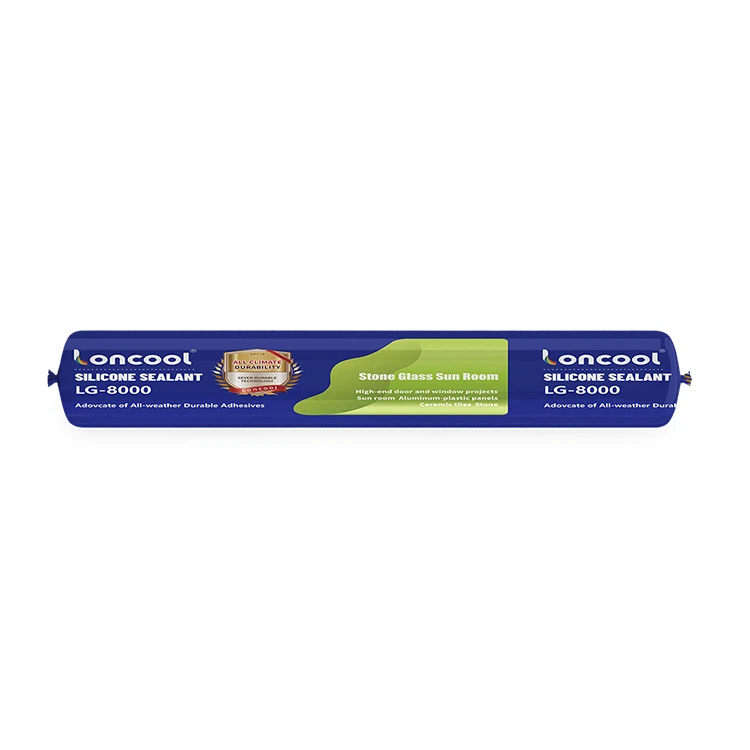
Before we dive into the cleaning process, let's quickly talk about what construction silicone sealant is. Silicone sealant is a popular choice in the construction industry because it's flexible, waterproof, and resistant to heat and chemicals. It's used for a variety of applications, like sealing joints, gaps, and cracks in buildings. There are different types, such as Structural Silicone Sealant, Neutral Silicone Structural Adhesive, and Silicone Sealant for Construction.
The type of sealant you're dealing with can affect the cleaning method, so it's important to know what you're working with. For example, some sealants are solvent - based, while others are water - based. Solvent - based sealants are usually more difficult to clean up because the solvents can make them stickier and more resistant to removal.
Safety First
Cleaning up construction silicone sealant spills can be a bit tricky, and it's important to take safety precautions. Wear protective gear, like gloves and safety glasses, to avoid skin contact and eye irritation. Some sealants may contain chemicals that can be harmful if they come into contact with your skin or eyes. Also, make sure the area is well - ventilated, especially if you're using solvents for the cleanup.
Cleaning Up Fresh Spills
If you catch the spill right away, you're in luck. Fresh silicone sealant is much easier to clean up than dried sealant.
-
For small spills on smooth surfaces: If you spill a little bit of sealant on a smooth surface like glass or metal, you can try using a plastic scraper. Gently scrape off as much of the sealant as possible. Be careful not to scratch the surface. After scraping, use a clean cloth dampened with isopropyl alcohol to wipe away any remaining residue. Rub the area in a circular motion until the sealant is gone.
-
For spills on porous surfaces: Porous surfaces like wood or concrete can absorb the sealant, making it a bit more challenging to clean. Start by using a putty knife to remove the excess sealant. Then, apply a small amount of mineral spirits or a commercial sealant remover to a cloth and gently rub the affected area. Test the cleaner on a small, inconspicuous area first to make sure it doesn't damage the surface.
Dealing with Dried Spills
Dried silicone sealant is a whole different ballgame. It's more stubborn and requires a bit more effort to remove.
-
Mechanical removal: One of the first steps is to try and break up the dried sealant. You can use a sharp utility knife or a razor blade to carefully cut away the sealant. Hold the blade at a low angle to avoid scratching the surface. This method works best for flat surfaces. After cutting away as much as you can, use a wire brush to scrub the remaining sealant.
-
Chemical removal: There are several chemical options for removing dried sealant.

- Acetone: Acetone is a strong solvent that can dissolve many types of silicone sealant. Soak a cloth in acetone and place it over the dried sealant for a few minutes to soften it. Then, use a scraper to remove the softened sealant. Keep in mind that acetone can be flammable and may damage some surfaces, so use it with caution.
- Commercial sealant removers: There are many commercial products available specifically designed to remove silicone sealant. These products usually come in spray or gel form. Follow the instructions on the label carefully. Apply the remover to the sealant, let it sit for the recommended time, and then use a scraper or a cloth to wipe it away.
Cleaning Different Surfaces
The cleaning method can also vary depending on the surface the sealant has spilled on.
-
Glass: Glass is a relatively easy surface to clean. After using a scraper to remove the bulk of the sealant, you can use a glass cleaner or a mixture of vinegar and water to remove any remaining residue. Wipe the glass with a clean, lint - free cloth to leave it sparkling clean.
-
Ceramic and tile: Similar to glass, start by scraping off the sealant. Then, use a mild abrasive cleaner or a paste made from baking soda and water to scrub away the remaining sealant. Rinse the area thoroughly with water.
-
Wood: As mentioned earlier, wood is a porous surface. Avoid using harsh chemicals that can damage the wood. Instead, try using a mixture of warm water and dish soap. Gently scrub the area with a soft brush, and then rinse with clean water. If there's still some sealant left, you can use a small amount of mineral spirits on a cloth, but be very careful not to over - saturate the wood.
Post - Cleaning
Once you've removed the sealant, it's important to clean the area again to get rid of any cleaning agents or residue. Use a clean cloth dampened with water to wipe down the area. Then, dry the surface completely to prevent any water damage.
Preventing Future Spills
Of course, the best way to deal with spills is to prevent them from happening in the first place. Here are some tips:
- Prepare the work area: Before using the sealant, cover surrounding areas with drop cloths or masking tape to protect them from spills.
- Use the right tools: Make sure you're using the correct applicator for the sealant. A well - functioning caulking gun can help you apply the sealant more precisely, reducing the risk of spills.
- Work slowly and carefully: Take your time when applying the sealant. Rushing can lead to mistakes and spills.
Conclusion
Cleaning up construction silicone sealant spills can be a hassle, but with the right methods and a bit of patience, you can get the job done. Remember to always prioritize safety, choose the right cleaning method for the type of sealant and surface, and take steps to prevent future spills.
If you're in the market for high - quality construction silicone sealant, we're here to help. Whether you need Structural Silicone Sealant, Neutral Silicone Structural Adhesive, or Silicone Sealant for Construction, we've got you covered. Reach out to us for more information and to start a procurement discussion.
References
- "Silicone Sealant Handbook" - A comprehensive guide on silicone sealants and their applications.
- Manufacturer's instructions for various silicone sealants and sealant removers.