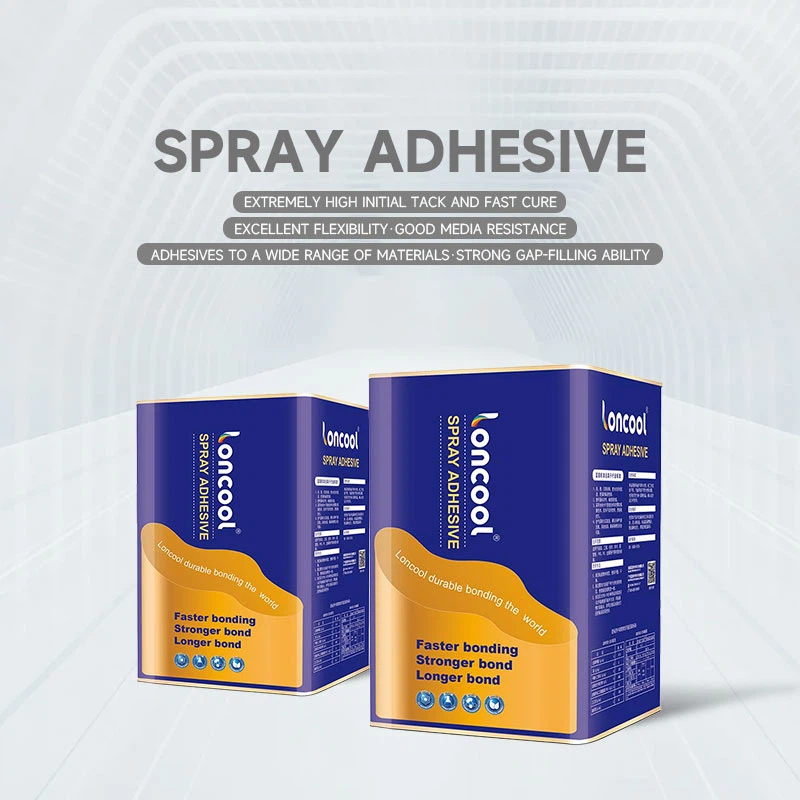
What is the Shear Strength of Kitchen & Bath Silicone Sealant?
As a leading supplier of kitchen and bath silicone sealants, I often encounter questions from customers regarding the shear strength of our products. Understanding the shear strength of silicone sealant is crucial, especially when it comes to applications in kitchens and bathrooms, where the sealant is exposed to various stresses and environmental conditions.
Understanding Shear Strength
Shear strength refers to the maximum amount of shear stress that a material can withstand before it fails. In the context of silicone sealant, shear stress occurs when two surfaces bonded by the sealant are subjected to forces that cause them to slide past each other. For example, in a kitchen or bathroom, the movement of fixtures, temperature changes, and the weight of objects can all create shear forces on the sealant.
The shear strength of a silicone sealant is typically measured in pounds per square inch (psi) or megapascals (MPa). A higher shear strength indicates that the sealant can better resist the forces that cause it to shear, providing a more durable and long - lasting bond.
Factors Affecting the Shear Strength of Kitchen & Bath Silicone Sealant
1. Chemical Composition
The chemical composition of the silicone sealant plays a significant role in determining its shear strength. Our Neutral Cure Silicone is formulated with high - quality silicone polymers that offer excellent adhesion and shear resistance. The neutral curing process ensures that the sealant does not release acidic or alkaline by - products during curing, which can damage the substrates and reduce the bond strength.
In contrast, some acidic or alkaline curing sealants may have a lower shear strength due to their potential to corrode or degrade the surfaces they are bonded to. Our Neutral Cure Silicone Adhesive is specifically designed to provide a strong and reliable bond in kitchen and bath applications, even under high shear stress.
2. Substrate Material
The type of substrate material that the sealant is applied to also affects its shear strength. Different materials have different surface properties, such as porosity, roughness, and chemical reactivity. For example, silicone sealant generally bonds better to non - porous surfaces like glass and metal than to porous surfaces like wood or concrete.
Before applying the sealant, it is essential to clean and prepare the substrate properly to ensure maximum adhesion. This may involve removing dirt, grease, and other contaminants, as well as roughening the surface if necessary. Our technical support team can provide detailed guidelines on substrate preparation to help you achieve the best shear strength results.
3. Curing Conditions
The curing conditions, including temperature and humidity, can have a significant impact on the shear strength of the silicone sealant. Silicone sealants typically cure faster at higher temperatures and lower humidity levels. However, extreme temperatures or humidity can also affect the curing process and reduce the bond strength.
For optimal shear strength, it is recommended to apply the sealant within the temperature and humidity range specified by the manufacturer. In our product documentation, we provide clear instructions on the ideal curing conditions for each of our kitchen and bath silicone sealants.
4. Joint Design
The design of the joint where the sealant is applied is another important factor. The width and depth of the joint, as well as the shape of the bond line, can all influence the shear strength. A properly designed joint allows the sealant to distribute the shear forces evenly, reducing the risk of failure.
For example, a wider joint can provide more surface area for the sealant to bond to, increasing the overall shear strength. Our Low Modular Silicone Sealant is suitable for joints that require flexibility and can withstand movement, ensuring a strong bond even under shear stress.
Measuring the Shear Strength of Kitchen & Bath Silicone Sealant
There are several methods for measuring the shear strength of silicone sealant. One common method is the lap shear test, where two substrates are bonded together with the sealant and then subjected to a shear force until the bond fails. The maximum force applied before failure is recorded, and the shear strength is calculated based on the cross - sectional area of the bond.
Another method is the peel test, which measures the force required to peel the sealant from the substrate. While the peel test does not directly measure shear strength, it can provide valuable information about the adhesion properties of the sealant.
At our company, we conduct rigorous testing on all our kitchen and bath silicone sealants to ensure that they meet or exceed industry standards for shear strength. Our testing facilities are equipped with state - of - the - art equipment, and our quality control team follows strict procedures to ensure the accuracy and reliability of the test results.
Importance of Shear Strength in Kitchen & Bath Applications
In kitchen and bath applications, the shear strength of the silicone sealant is of utmost importance. These areas are constantly exposed to water, steam, and temperature changes, which can cause the fixtures and surfaces to expand and contract. Without a strong shear - resistant sealant, the bond between the sealant and the substrate can break, leading to water leakage, mold growth, and damage to the surrounding materials.
For example, in a bathtub installation, the sealant around the edges of the tub must be able to withstand the shear forces caused by the weight of the water and the movement of people getting in and out of the tub. A sealant with low shear strength may fail over time, allowing water to seep behind the tub and cause structural damage.
Similarly, in a kitchen countertop installation, the sealant between the countertop and the backsplash must be able to resist the shear forces caused by the movement of appliances and the impact of daily use. A strong shear - resistant sealant ensures a watertight and durable bond, protecting the countertop and the cabinets from water damage.
Choosing the Right Kitchen & Bath Silicone Sealant for Shear Strength
When choosing a kitchen and bath silicone sealant, it is important to consider the shear strength requirements of the specific application. Our company offers a wide range of silicone sealants with different shear strength properties to meet the diverse needs of our customers.
If you are working on a project that requires high shear strength, such as a large - scale bathroom renovation or a commercial kitchen installation, our Neutral Cure Silicone Adhesive is an excellent choice. It provides a strong and reliable bond, even under extreme conditions.
For applications where flexibility is also important, such as joints that are subject to movement, our Low Modular Silicone Sealant offers a good balance between shear strength and flexibility.


Conclusion
The shear strength of kitchen and bath silicone sealant is a critical factor in ensuring the durability and performance of the sealant in these demanding environments. By understanding the factors that affect shear strength, choosing the right sealant for the application, and following proper installation and curing procedures, you can achieve a strong and long - lasting bond.
As a trusted supplier of kitchen and bath silicone sealants, we are committed to providing our customers with high - quality products and expert technical support. If you have any questions about the shear strength of our sealants or need assistance in choosing the right product for your project, please do not hesitate to contact us. We look forward to discussing your requirements and helping you find the perfect solution for your kitchen and bath sealing needs.
References
- ASTM International. "Standard Test Methods for Strength Properties of Adhesives in Shear by Tension Loading of Single - Lap - Joint Laminated Assemblies." ASTM D1002 - 10.
- ISO 4624:2016. "Paints and varnishes — Pull - off test for adhesion."