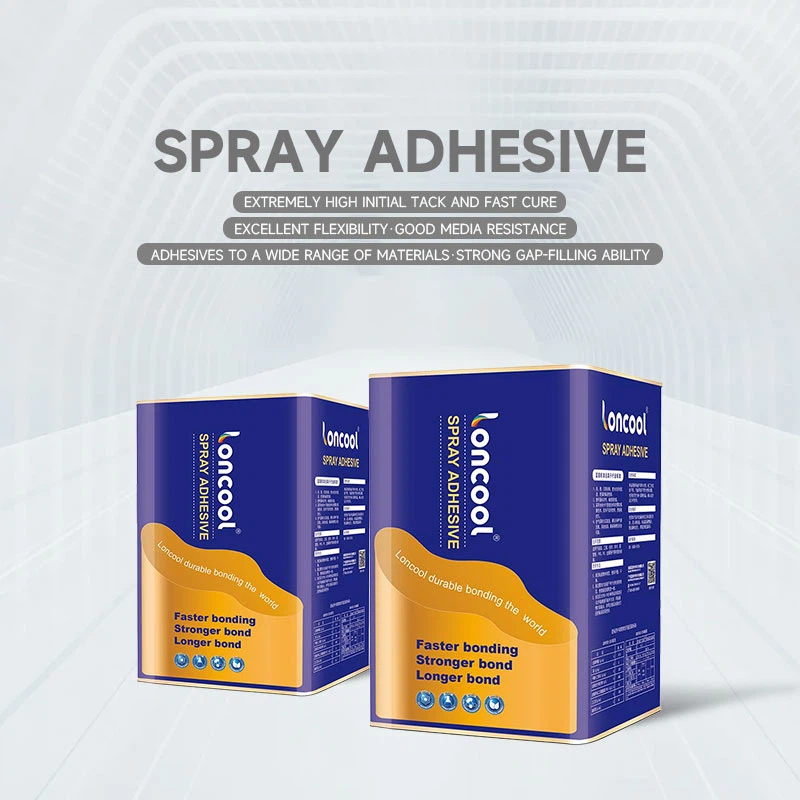
As a seasoned supplier of Construction Waterproof Sealant, I've witnessed firsthand the critical role that curing time plays in construction projects. The curing time of waterproof sealant is not a one - size - fits - all concept; it varies significantly depending on the environment in which the sealant is applied. In this blog, I'll delve into how different environmental factors impact the curing time of our construction waterproof sealants.
Temperature
Temperature is one of the most influential factors affecting the curing time of construction waterproof sealant. Generally, higher temperatures accelerate the curing process, while lower temperatures slow it down.
At warm temperatures, typically between 20°C and 30°C, the chemical reactions within the sealant occur more rapidly. The molecules within the sealant move more freely, allowing for quicker cross - linking, which is essential for the sealant to reach its full strength and waterproofing capabilities. For example, our Silicone Sealant for Construction can cure within 24 to 48 hours in this optimal temperature range. The joints sealed with this sealant become fully functional, providing reliable waterproofing and structural support.
Conversely, in cold environments, below 10°C, the curing process can be severely delayed. The reduced molecular activity means that the cross - linking reactions take much longer to complete. In some cases, at temperatures close to freezing, the curing time can extend to several days or even weeks. This slow curing not only prolongs the construction schedule but also increases the risk of the sealant being damaged before it has fully cured. Contractors need to be extra cautious in cold weather and may need to use special techniques or heaters to maintain a suitable temperature for the sealant to cure properly.
Humidity
Humidity also has a profound impact on the curing time of construction waterproof sealants. Most sealants rely on moisture in the air to initiate and complete the curing process. However, the optimal humidity level can vary depending on the type of sealant.
For silicone - based sealants like our Neutral Silicone Structural Adhesive, a moderate humidity level of around 50% - 70% is ideal. At this humidity range, the sealant can absorb the right amount of moisture to trigger the curing reactions. The moisture helps to break down the curing agents in the sealant and allows for the formation of strong chemical bonds. In a well - ventilated area with this optimal humidity, the sealant can cure within a reasonable time frame, usually within 24 to 72 hours.
High humidity, above 80%, can cause problems. Excessive moisture can lead to a phenomenon called "over - curing" in some sealants. This can result in a soft, sticky surface that does not fully harden or a brittle outer layer with an uncured interior. On the other hand, low humidity, below 30%, can slow down the curing process significantly. The sealant may not be able to absorb enough moisture to start the curing reactions, leading to an extended curing time.
Ventilation
Proper ventilation is crucial for the curing of construction waterproof sealants. Good ventilation helps to remove the by - products of the curing reactions, such as volatile organic compounds (VOCs), and ensures a fresh supply of air for the sealant to cure.
In a well - ventilated area, the curing time can be reduced. The removal of VOCs allows the chemical reactions to proceed more smoothly, and the fresh air provides the necessary oxygen and moisture for the sealant. For example, during Sealant Construction in an open - air building site, the sealant can cure faster compared to a confined space.


In poorly ventilated areas, the accumulation of VOCs can slow down the curing process and may even cause the sealant to have a foul smell. The lack of fresh air can also lead to uneven curing, where some parts of the sealant may cure faster than others. This can compromise the overall performance of the sealant and reduce its waterproofing effectiveness.
Altitude
Altitude is another factor that can affect the curing time of construction waterproof sealants. At higher altitudes, the air pressure is lower, and the oxygen content is reduced. This can have an impact on the chemical reactions within the sealant.
The lower air pressure at high altitudes can cause the sealant to expand slightly during the curing process. This expansion can affect the density and structure of the cured sealant. In addition, the reduced oxygen content may slow down the oxidation - based curing reactions in some sealants. As a result, the curing time at high altitudes (above 2000 meters) can be longer compared to sea - level conditions. Contractors working at high altitudes need to be aware of these factors and may need to adjust their construction schedules accordingly.
Conclusion
In conclusion, the curing time of construction waterproof sealant is highly dependent on the environment. Temperature, humidity, ventilation, and altitude all play significant roles in determining how long it takes for the sealant to cure and reach its full performance. As a supplier of high - quality construction waterproof sealants, we understand the importance of these environmental factors and strive to provide products that can perform well in a variety of conditions.
If you are involved in a construction project and need reliable waterproof sealants, we are here to assist you. Our team of experts can provide you with detailed information on the best sealant for your specific environment and offer guidance on the proper application and curing processes. Contact us today to start a procurement discussion and ensure the success of your construction project.
References
- ASTM International. (20XX). Standard test methods for properties of construction sealants.
- Building Research Establishment. (20XX). Guide to the use of sealants in building construction.