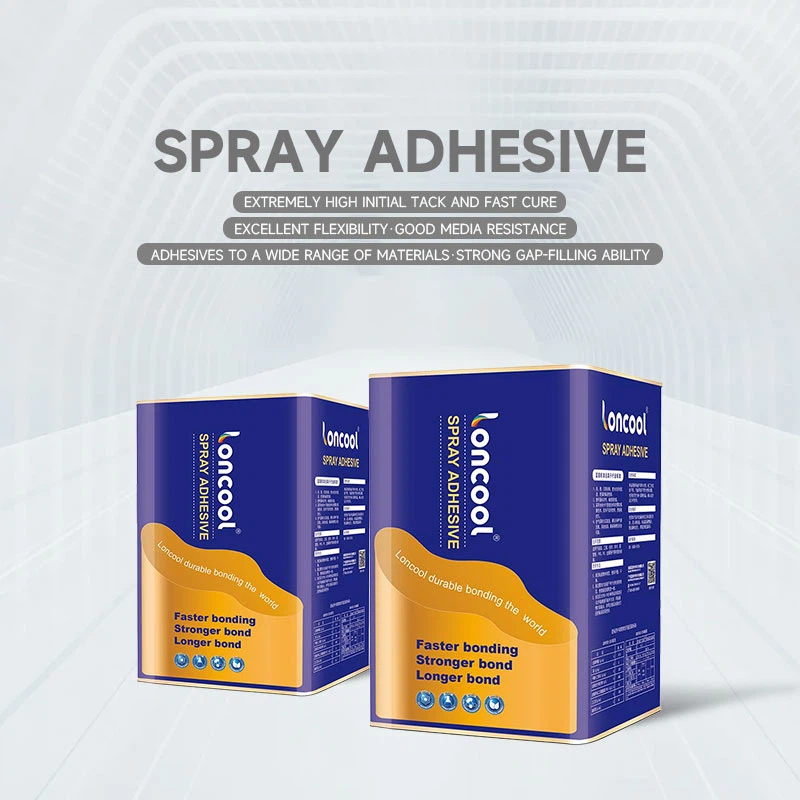
Polyurethane foam sealant is a versatile and widely used product in various industries, from construction to automotive and manufacturing. One of the common questions that arise when considering its application is whether it is resistant to oil and grease. As a supplier of PU Foam Sealant, I am well - versed in the properties of this product and can provide in - depth insights into its oil and grease resistance.
Understanding Polyurethane Foam Sealant
Before delving into its resistance to oil and grease, it's essential to understand what polyurethane foam sealant is. Polyurethane foam sealant is a type of sealant that is formed by a chemical reaction between polyols and isocyanates. When these two components mix, they expand and cure to form a foam that can fill gaps, seal joints, and provide insulation.
The foam has several desirable properties. It has excellent adhesion to a wide range of substrates, including wood, metal, plastic, and concrete. It also has good flexibility, which allows it to withstand movement and vibration without cracking. Moreover, it provides a good barrier against air, water, and dust, making it an ideal choice for sealing applications.
Factors Affecting Oil and Grease Resistance
The oil and grease resistance of polyurethane foam sealant depends on several factors.
Chemical Composition
The chemical formulation of the polyurethane foam sealant plays a crucial role in its resistance to oil and grease. Different types of polyols and isocyanates can be used in the manufacturing process, and the choice of these raw materials can significantly impact the sealant's performance in the presence of oil and grease. For example, some formulations may use special additives or modified polyols that enhance the sealant's resistance to chemical attack from oils and greases.
Cross - Linking Density
The degree of cross - linking in the polyurethane foam structure also affects its oil and grease resistance. A higher cross - linking density generally results in a more rigid and less permeable foam, which is more resistant to the penetration of oil and grease. During the curing process, the polyols and isocyanates react to form a three - dimensional network. If this network is tightly cross - linked, it becomes more difficult for oil and grease molecules to diffuse into the foam structure.
Surface Treatment
The surface treatment of the substrate to which the polyurethane foam sealant is applied can also influence its oil and grease resistance. If the substrate surface is contaminated with oil or grease before the sealant is applied, it can reduce the adhesion of the sealant and potentially allow oil and grease to seep through the joint. Therefore, proper surface preparation, such as cleaning and degreasing, is essential to ensure optimal performance.
Testing the Oil and Grease Resistance of Polyurethane Foam Sealant
To determine the oil and grease resistance of polyurethane foam sealant, several testing methods can be employed.
Immersion Testing
One common method is immersion testing. In this test, samples of the polyurethane foam sealant are immersed in a specific type of oil or grease for a predetermined period. The samples are then removed, and their physical properties, such as weight change, hardness, and appearance, are measured. A significant weight gain may indicate that the sealant has absorbed the oil or grease, while changes in hardness or appearance can suggest chemical degradation.
Swell Testing
Swell testing is another approach. It measures the dimensional change of the sealant sample after exposure to oil or grease. If the sealant swells significantly, it may indicate that the oil or grease has penetrated the foam structure and caused it to expand. This can be a sign of poor oil and grease resistance.
Compatibility Testing
Compatibility testing involves exposing the sealant to different types of oils and greases commonly used in the intended application. The sealant's performance is then evaluated based on its ability to maintain its sealing properties, adhesion, and physical integrity in the presence of these substances.
Real - World Applications and Oil/Grease Resistance
In many real - world applications, the oil and grease resistance of polyurethane foam sealant is of utmost importance.
Automotive Industry
In the automotive industry, polyurethane foam sealants are used in various applications, such as sealing engine compartments, doors, and windows. These areas are often exposed to engine oil, transmission fluid, and grease. A sealant with good oil and grease resistance is essential to prevent leaks and ensure the long - term performance of the vehicle. For example, in engine gaskets, the sealant must be able to withstand high temperatures and the constant presence of oil without losing its sealing properties.

Manufacturing Industry
In manufacturing, polyurethane foam sealants are used to seal joints in machinery and equipment. These machines may be lubricated with oil or grease, and the sealant must resist the penetration of these substances to prevent contamination and ensure the proper functioning of the equipment. For instance, in food processing machinery, the sealant must be resistant to food - grade oils and greases to meet hygiene standards.
Construction Industry
In the construction industry, although the exposure to oil and grease may not be as direct as in the automotive or manufacturing industries, there are still situations where oil and grease resistance is required. For example, in commercial kitchens or industrial buildings, the sealant used around pipes or in areas where there may be a risk of oil or grease spills should have some level of resistance to these substances.
Our Polyurethane Foam Sealant and Its Oil/Grease Resistance
As a supplier of PU Foam Sealant, we take pride in the quality and performance of our products. Our polyurethane foam sealants are formulated with high - quality raw materials and advanced manufacturing processes to ensure excellent oil and grease resistance.
We conduct rigorous testing on our sealants to ensure that they meet or exceed industry standards for oil and grease resistance. Our products have been proven to perform well in a variety of real - world applications, providing reliable sealing solutions even in environments where they are exposed to oil and grease.
Contact Us for Your Polyurethane Foam Sealant Needs
If you are in need of a polyurethane foam sealant with excellent oil and grease resistance, we are here to help. Whether you are in the automotive, manufacturing, construction, or any other industry, our team of experts can assist you in selecting the right product for your specific application. We can also provide technical support and advice to ensure that you get the best performance from our sealants.
Don't hesitate to reach out to us to discuss your requirements and start a procurement negotiation. Our goal is to build long - term partnerships with our customers by providing high - quality products and exceptional service.
References
- ASTM International. (Year). Standard test methods for evaluating the performance of sealants. ASTM D series.
- ISO Standards. (Year). International standards for sealant testing and performance evaluation.
- Polyurethane Manufacturers Association. (Year). Technical guidelines on polyurethane foam sealant properties and applications.