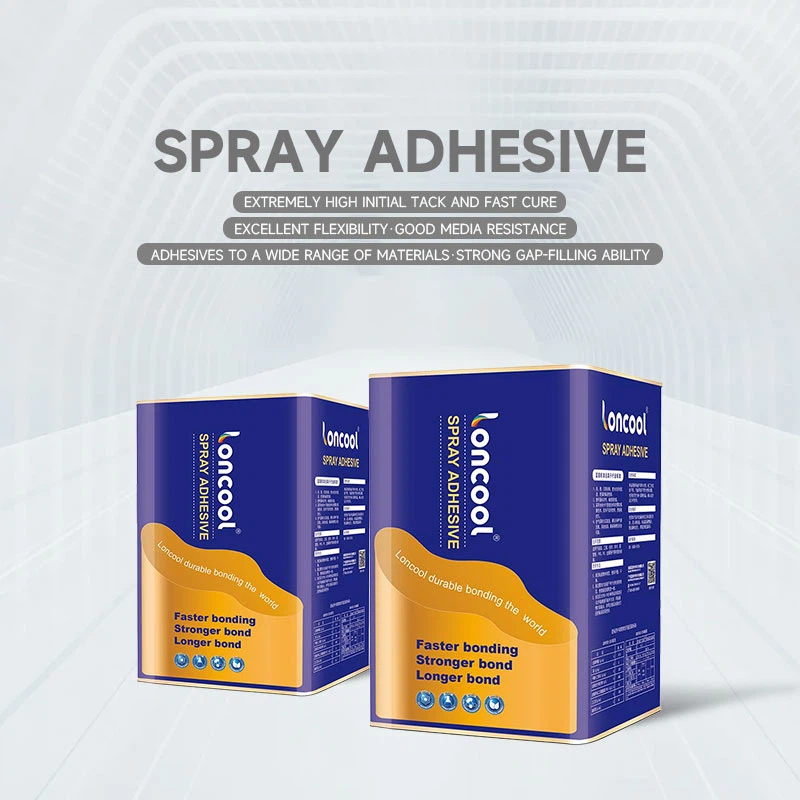
Hey there! As a supplier of MS Silicone Sealant, I often get asked whether our product is resistant to chemicals. Well, let's dig into this topic and find out the answer.
First off, let's understand what MS Silicone Sealant is. MS stands for Modified Silane, and MS Polymer is the key ingredient in this type of sealant. It's a versatile material that combines some of the best properties of silicone and polyurethane sealants.
When it comes to chemical resistance, it's not a one - size - fits - all answer. The chemical resistance of MS Silicone Sealant depends on several factors, such as the type of chemicals it's exposed to, the concentration of those chemicals, the duration of exposure, and the environmental conditions.
Resistance to Common Chemicals
Water and Moisture
MS Silicone Sealant is generally very resistant to water and moisture. It forms a tight seal that prevents water from seeping through, making it ideal for applications in bathrooms, kitchens, and other wet areas. The sealant doesn't break down easily when in contact with water, and it can maintain its integrity over a long period. This resistance to water is due to the hydrophobic nature of the MS Polymer used in the sealant.
Acids and Bases
The performance of MS Silicone Sealant against acids and bases varies. Mild acids and bases usually don't cause significant damage to the sealant in the short term. However, strong acids and bases can have a negative impact. For example, concentrated sulfuric acid or sodium hydroxide can react with the sealant over time, causing it to degrade. The degree of degradation depends on the concentration and the length of exposure. If the sealant is only briefly exposed to a diluted acid or base, it may still remain intact. But continuous exposure to high - strength solutions will likely lead to failure.
Oils and Solvents
When it comes to oils and solvents, the story is a bit more complex. Some MS Silicone Sealants have good resistance to mineral oils and certain solvents. But others may be affected. For instance, aromatic solvents like toluene and xylene can swell or dissolve the sealant in some cases. On the other hand, some MS Sealants are formulated to be more resistant to these types of chemicals. If you're using the sealant in an environment where it will come into contact with oils or solvents, it's crucial to choose the right product. Our MS Silicone Sealant can be customized to meet different levels of chemical resistance based on your specific needs.
Factors Affecting Chemical Resistance
Temperature
Temperature plays a big role in chemical resistance. Higher temperatures can accelerate chemical reactions. So, if the MS Silicone Sealant is exposed to chemicals at elevated temperatures, the degradation process can be much faster. For example, a sealant that can withstand a certain chemical at room temperature may fail when the temperature rises. On the other hand, lower temperatures can slow down chemical reactions, but extremely low temperatures can also make the sealant more brittle, which may affect its overall performance.


UV Exposure
Ultraviolet (UV) rays from the sun can also impact the chemical resistance of MS Silicone Sealant. Prolonged UV exposure can cause the sealant to become brittle and lose some of its elasticity. This can make it more susceptible to chemical damage. However, many modern MS Sealants are formulated with UV stabilizers to reduce the effects of UV radiation. Our MS Transparent Polymer Sealant is one such product that offers good UV resistance, which helps maintain its chemical resistance over time.
Applications and Chemical Resistance Requirements
Construction
In construction, MS Silicone Sealant is used for a variety of purposes, such as sealing joints in buildings. It may be exposed to rainwater, which is usually not a problem due to its water - resistant properties. However, in industrial areas, the sealant may come into contact with chemicals from pollution or industrial processes. For example, in a factory where there are chemical fumes in the air, the sealant needs to have a certain level of chemical resistance to ensure long - term performance.
Automotive
In the automotive industry, MS Silicone Sealant is used for sealing components. It may be exposed to engine oils, coolant, and other automotive fluids. The sealant needs to be resistant to these chemicals to prevent leaks and ensure the proper functioning of the vehicle. Different parts of the car may have different chemical exposure levels, so the chemical resistance requirements can vary.
How We Ensure Chemical Resistance
As a supplier, we take chemical resistance very seriously. We conduct a series of tests on our MS Silicone Sealant to ensure its performance. We expose the sealant to different chemicals under various conditions, including different temperatures and exposure times. Based on the test results, we can adjust the formulation of the sealant to improve its chemical resistance.
We also work closely with our customers to understand their specific chemical exposure scenarios. If you tell us the type of chemicals, the concentration, and the duration of exposure your sealant will face, we can recommend the most suitable product or even develop a customized solution for you.
Conclusion
So, is MS Silicone Sealant resistant to chemicals? The answer is that it depends. It has good resistance to some chemicals like water and can be formulated to resist certain acids, bases, oils, and solvents. But its performance can be affected by factors such as temperature, UV exposure, and the specific chemical environment.
If you're in need of a reliable MS Silicone Sealant with the right level of chemical resistance for your project, don't hesitate to reach out. We're here to help you find the best solution. Whether it's for construction, automotive, or any other application, we can provide you with high - quality products that meet your requirements. Contact us to start the procurement and negotiation process, and let's work together to get the perfect sealant for your needs.
References
- ASTM International standards on sealant testing
- Industry research papers on the properties of MS polymers
- In - house test reports on chemical resistance of MS Silicone Sealant