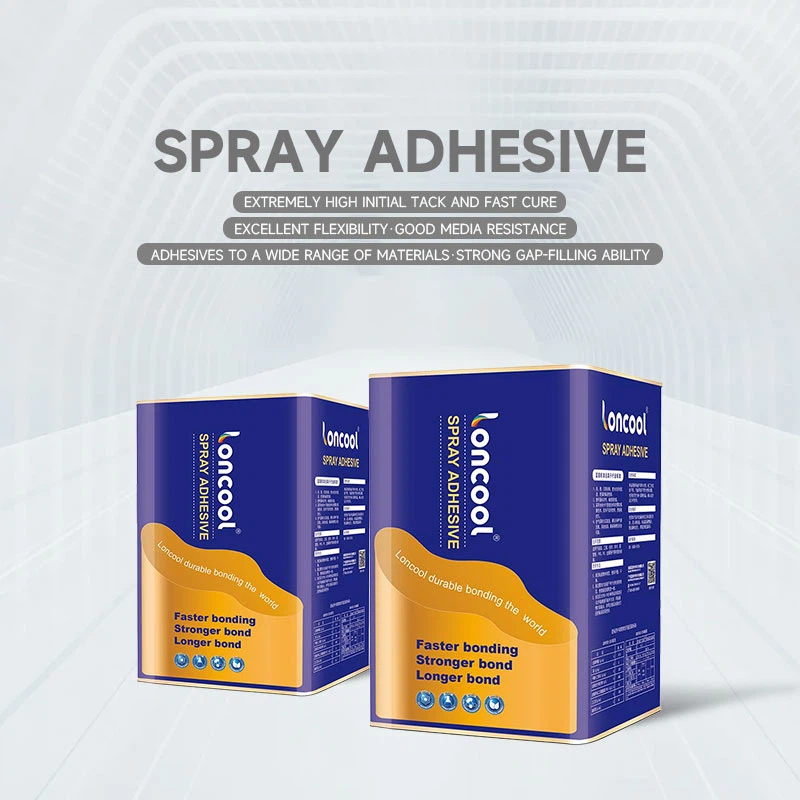
Hey there! As a supplier of acetic silicone sealant, I often get asked whether this type of sealant is suitable for use in industrial settings. Well, let's dive right in and explore this topic.
First off, let's talk about what acetic silicone sealant actually is. Acetic silicone sealant, also known as acidic silicone sealant, is a popular choice in many sealing applications. It's made from silicone polymers and has some pretty cool properties. When it cures, it forms a flexible, waterproof, and airtight seal. You can check out more about Acetic Sealant on our website.
One of the main advantages of using acetic silicone sealant in industrial settings is its excellent adhesion. It can stick to a wide variety of materials, including glass, metal, ceramic, and some plastics. This makes it super versatile for different industrial applications. For example, in the automotive industry, it can be used to seal windows and doors, preventing water and air leakage. In the construction industry, it's great for sealing joints in buildings, keeping out moisture and dust.
Another plus is its flexibility. Industrial environments can be pretty tough, with a lot of movement and vibration. Acetic silicone sealant can withstand these conditions without cracking or losing its seal. This means it can provide long - term protection for industrial equipment and structures. Whether it's a factory floor that experiences heavy machinery movement or a pipeline that expands and contracts with temperature changes, acetic silicone sealant can handle it.
The curing time of acetic silicone sealant is also relatively fast. In most cases, it can cure within a few hours, depending on the environmental conditions. This is really important in industrial settings where time is money. You don't want to wait days for a sealant to cure before you can get back to work. With acetic silicone sealant, you can quickly complete your sealing tasks and move on to the next job.
However, like any product, acetic silicone sealant also has its drawbacks when it comes to industrial use. One of the biggest issues is its acidic nature. During the curing process, acetic silicone sealant releases acetic acid. This can be a problem in some industrial environments, especially those where sensitive equipment or materials are present. The acid can corrode certain metals, such as aluminum and copper. So, if you're working with these types of metals, you need to be really careful. You might want to consider using a neutral silicone sealant instead.
The strong odor is another downside. The acetic acid released during curing has a pungent smell that can be quite unpleasant. In an industrial setting with poor ventilation, this can be a real nuisance for workers. It can also pose a health risk if inhaled in large quantities. So, proper ventilation is a must when using acetic silicone sealant.
In some industrial applications where high - temperature resistance is required, acetic silicone sealant may not be the best choice. While it can withstand moderate temperatures, it may start to degrade at very high temperatures. For example, in a foundry or a furnace area, where temperatures can reach several hundred degrees Celsius, a high - temperature resistant sealant would be more appropriate.


Now, let's look at some specific industrial sectors and see how acetic silicone sealant fits in.
In the electronics industry, the acidic nature of acetic silicone sealant is a major concern. Electronics are very sensitive to corrosion, and the acetic acid released during curing can damage circuit boards and other components. So, in most cases, neutral or low - corrosive sealants are preferred. But there are some non - critical areas, such as the outer casing of electronic devices, where acetic silicone sealant can still be used as long as proper precautions are taken.
In the food and beverage industry, the odor and the potential for acid corrosion are big no - nos. Food safety is of the utmost importance, and you can't have a sealant that might contaminate the products. So, food - grade sealants are typically used instead.
On the other hand, in the marine industry, acetic silicone sealant can be a good option in some situations. It can be used to seal portholes, hatches, and other areas where water resistance is crucial. The flexibility of the sealant helps it to adapt to the movement of the boat. However, again, you need to be careful with the acidic nature, especially when it comes into contact with metal parts of the boat.
In conclusion, whether acetic silicone sealant is suitable for industrial settings depends on the specific application. If you're working with materials that are not affected by acid, have good ventilation, and don't require extremely high - temperature resistance, then acetic silicone sealant can be a great choice. It offers excellent adhesion, flexibility, and fast curing time. But if you're dealing with sensitive materials, high - temperature environments, or areas where odor is a concern, you need to think twice.
If you're interested in learning more about Acetic Silicone and how it can be used in your industrial applications, feel free to reach out to us. We're here to help you make the right decision. Our team of experts can provide you with more detailed information and advice based on your specific needs. Whether you're a small - scale industrial operation or a large - scale manufacturing plant, we have the right acetic silicone sealant products for you. So, don't hesitate to contact us for a purchase negotiation. We look forward to working with you!
References
- "Silicone Sealants: Properties and Applications" - A technical guide on silicone sealants
- Industry - specific handbooks on construction, automotive, and electronics for information on sealant use.