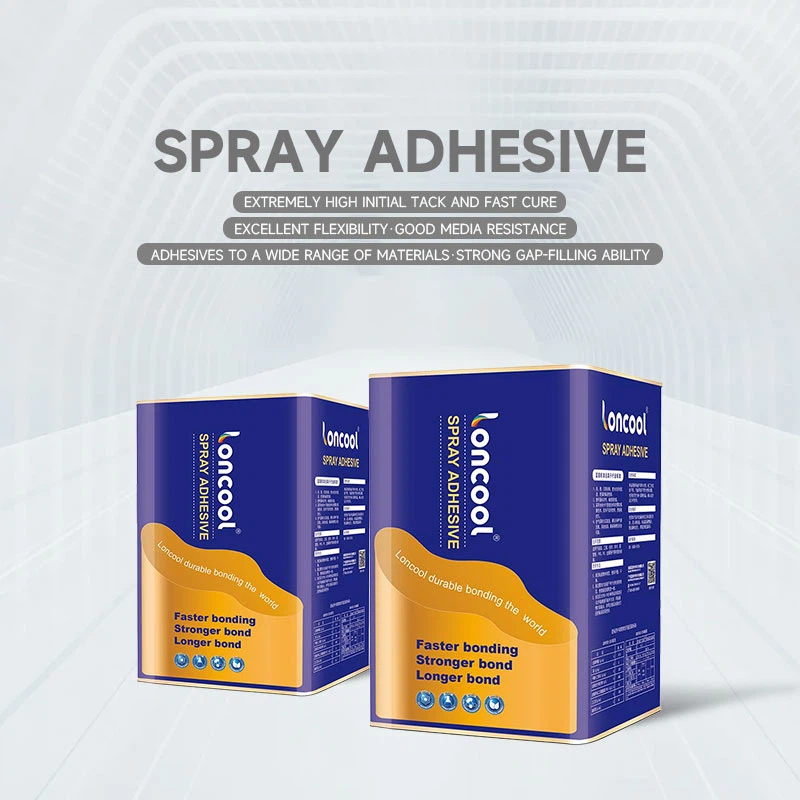
Hey there! As a supplier of construction silicone sealant, I've seen firsthand how important it is to store this stuff properly. In this blog, I'm gonna share some tips on how to store construction silicone sealant to keep it in top - notch condition.
Why Proper Storage Matters
First off, let's talk about why proper storage is a big deal. Construction silicone sealant is a sensitive product. If it's not stored correctly, its performance can be seriously affected. For example, exposure to extreme temperatures can change its consistency. If it gets too hot, the sealant might become runny, and if it's too cold, it could harden prematurely. And once the sealant's consistency is off, it won't adhere well to surfaces, which means it won't do its job of sealing gaps and preventing water or air leakage.
Ideal Storage Conditions
Temperature
The temperature is a key factor when it comes to storing construction silicone sealant. The ideal temperature range for storage is between 40°F (4°C) and 80°F (27°C). This range helps maintain the sealant's original consistency. If you're storing it in a warehouse or a storage shed, try to keep the area at a relatively stable temperature. Avoid placing the sealant near heating vents or in direct sunlight, as this can cause the temperature to rise quickly and damage the product.
Humidity
Humidity also plays a role. High humidity can cause the sealant to absorb moisture from the air, which can lead to premature curing. You want to store the sealant in a dry environment. If possible, use a dehumidifier in the storage area to keep the humidity levels below 60%.
Light
Exposure to light, especially ultraviolet (UV) light, can degrade the quality of the sealant. UV rays can break down the chemical components of the sealant, reducing its effectiveness. So, store the sealant in a dark place. If you're using clear plastic containers for storage, make sure they're opaque or keep them covered to block out the light.
Storage Containers
The type of container you use for storing construction silicone sealant matters too. Most sealants come in tubes or cartridges, and these are usually designed to keep the product fresh for a certain period. But if you have extra sealant that you want to store for a long time, you might consider transferring it to a more air - tight container.
For example, you can use metal or plastic containers with tight - fitting lids. Make sure the container is clean and dry before you transfer the sealant. Also, label the container with the type of sealant, the date of storage, and any other relevant information. This will help you keep track of the sealant and ensure you use the oldest stock first.
Handling During Storage
When you're storing the sealant, be careful how you handle it. Don't stack heavy items on top of the tubes or cartridges, as this can cause them to crack or leak. Also, try to keep the sealant upright. Storing it on its side or upside down can cause the sealant to settle unevenly, which can affect its performance when you use it.
Long - Term Storage
If you're planning to store the sealant for a long time, there are a few extra steps you can take. First, check the expiration date on the product. Most construction silicone sealants have a shelf life of about 12 to 18 months when stored properly. If you're approaching the expiration date, it's a good idea to use the sealant as soon as possible or test it before using it on a large project.
You can also consider storing the sealant in a freezer if you need to store it for an extended period. But make sure to follow these steps:
- Place the sealant in a sealed plastic bag to prevent moisture from getting in.
- Put the bagged sealant in the freezer.
- When you're ready to use it, take it out of the freezer and let it thaw at room temperature for at least 24 hours. This slow thawing process will help maintain the sealant's consistency.
Different Types of Construction Silicone Sealant
There are different types of construction silicone sealant, such as Silicone Sealant for Construction, Structural Sealant, and Construction Waterproof Sealant. Each type might have slightly different storage requirements, so it's important to read the manufacturer's instructions carefully.
For example, structural sealants are often used in more critical applications, so they might be more sensitive to temperature and humidity changes. Make sure you store them in the most ideal conditions possible.
Conclusion
Proper storage of construction silicone sealant is essential to ensure its quality and performance. By following these tips on temperature, humidity, light, storage containers, and handling, you can keep your sealant in great shape for as long as possible.


If you're in the market for high - quality construction silicone sealant, we're here to help. We offer a wide range of products, including Silicone Sealant for Construction, Structural Sealant, and Construction Waterproof Sealant. Whether you're a contractor, a DIY enthusiast, or a builder, we have the right sealant for your project. If you have any questions or want to discuss your procurement needs, feel free to reach out. We're always happy to help you find the best solution for your construction needs.
References
- Manufacturer's guidelines for construction silicone sealant products.
- Industry best practices for storing chemical products.