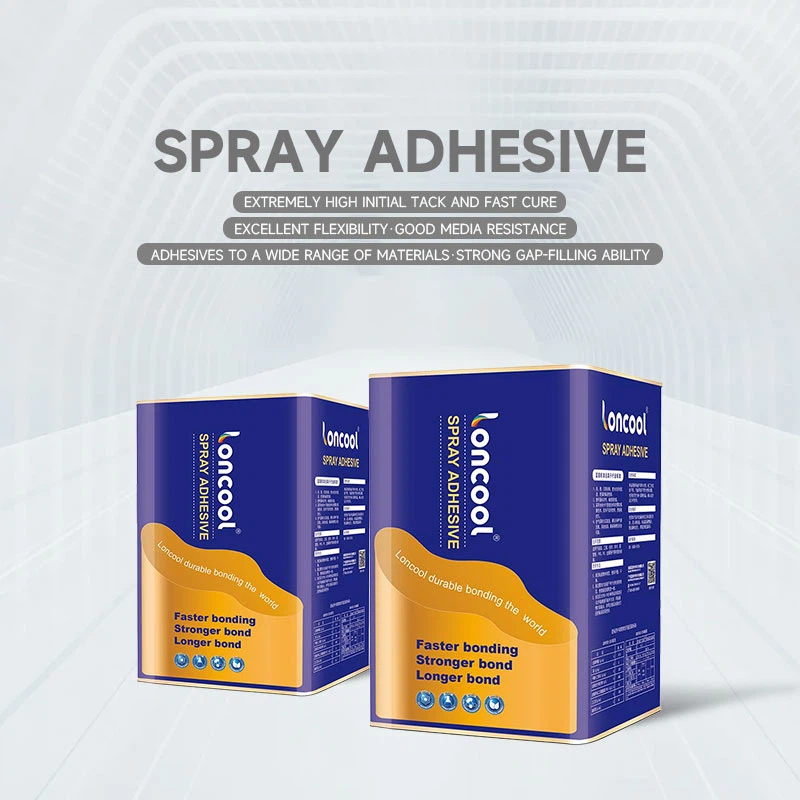
When it comes to using spray silicone, one of the most common questions I encounter as a spray silicone supplier is, "How much spray silicone should I use?" It's a crucial question because using the right amount can make a significant difference in the performance and longevity of your applications. In this blog post, I'll delve into the factors that influence the quantity of spray silicone needed and provide some practical guidelines to help you make the most of our Spray Silicone.
Understanding Spray Silicone
Before we discuss the amount to use, let's briefly understand what spray silicone is and its properties. Spray silicone is a versatile product that contains silicone polymers suspended in a solvent. When sprayed, the solvent evaporates, leaving behind a thin layer of silicone that provides lubrication, water repellency, corrosion resistance, and anti - sticking properties. It's used in a wide range of industries, including automotive, manufacturing, household, and electronics.

Factors Affecting the Amount of Spray Silicone
Surface Area
The size of the surface you're treating is one of the most obvious factors. A larger surface area will naturally require more spray silicone. For example, if you're lubricating the hinges of a small cabinet, you'll need far less than if you're coating the entire undercarriage of a car. To estimate the surface area, you can break down complex shapes into simpler geometric forms (such as rectangles, circles, etc.) and calculate their areas using standard formulas.
Porosity of the Surface
Porous surfaces absorb more spray silicone than non - porous ones. Materials like wood, fabric, and some types of plastics are porous. When you spray silicone on a porous surface, the silicone penetrates into the pores, so you may need to apply multiple coats to achieve the desired effect. In contrast, non - porous surfaces like glass, metal, and smooth plastics require less silicone as it forms a thin film on the surface rather than being absorbed.
Desired Level of Protection or Performance
The level of protection or performance you're aiming for also determines the amount of spray silicone. If you're using it for light lubrication, a thin coat may be sufficient. However, if you need heavy - duty water repellency or long - term corrosion protection, you'll likely need to apply a thicker or multiple coats. For instance, if you're protecting outdoor metal equipment from rust, a more generous application will provide better and longer - lasting results.
Type of Application
Different applications have different requirements. In some cases, a light mist is all that's needed. For example, when using spray silicone to prevent food from sticking to baking pans, a quick, light spray is enough. On the other hand, in industrial applications where machinery parts need to be well - lubricated to reduce friction and wear, a more thorough and even coating is necessary.
Practical Guidelines for Using Spray Silicone
Test on a Small Area First
Before applying spray silicone to a large surface, it's always a good idea to test it on a small, inconspicuous area. This allows you to see how the surface reacts to the silicone, determine the appropriate amount, and check for any adverse effects such as discoloration or damage.
Start with a Light Coat
It's better to start with a light coat and then add more if needed. This approach helps you avoid over - applying the silicone, which can lead to a messy, sticky residue. Hold the spray can about 6 - 8 inches away from the surface and spray in a steady, even motion.
Use a Back - and - Forth Motion
When spraying, use a back - and - forth motion to ensure an even distribution of the silicone. This helps prevent uneven coating and ensures that all areas of the surface receive an adequate amount of silicone.
Multiple Coats for Porous or High - Performance Needs
As mentioned earlier, porous surfaces and applications that require high - performance protection may need multiple coats. Allow each coat to dry completely before applying the next one. The drying time can vary depending on factors such as temperature and humidity, but it's usually a few minutes to an hour.
Examples of Specific Applications
Automotive Applications
In automotive applications, spray silicone can be used for various purposes. For door seals, a light spray on the rubber seals helps keep them flexible and prevents them from drying out and cracking. A single, light coat is usually sufficient. When lubricating the throttle cables or other moving parts, a more thorough coating may be required. You may need to spray the silicone directly onto the parts and then work it in by moving the parts back and forth.
Household Applications
Around the house, spray silicone has many uses. For window tracks, a light spray helps the windows slide smoothly. Just a few short bursts are enough. When using it on garden tools to prevent rust, you can give the tools a more generous coating, especially if they're going to be stored outdoors.
Industrial Applications
In industrial settings, the amount of spray silicone used depends on the specific machinery and the level of lubrication or protection required. For conveyor belts, a continuous and even coating is necessary to ensure smooth operation. This may require multiple passes with the spray can to cover the entire length of the belt.
Measuring the Amount of Spray Silicone
While it's not always easy to precisely measure the amount of spray silicone used, you can estimate based on the coverage area of the can. Most spray silicone cans provide information on the approximate coverage area per can. For example, a standard 12 - ounce can may cover about 100 - 200 square feet, depending on the factors mentioned above.
Tips for Efficient Use
Store the Can Properly
Proper storage of the spray silicone can helps maintain its quality and ensure consistent performance. Keep the can in a cool, dry place away from direct sunlight and heat sources. This prevents the silicone from separating or the solvent from evaporating prematurely.
Clean the Nozzle Regularly
A clogged nozzle can lead to uneven spraying and make it difficult to control the amount of silicone. Clean the nozzle regularly by spraying a small amount of solvent through it or using a pin to clear any blockages.
Conclusion
Determining how much spray silicone to use depends on several factors, including surface area, porosity, desired performance, and type of application. By understanding these factors and following the practical guidelines provided, you can use our Spray Silicone effectively and efficiently.
If you have any further questions about the amount of spray silicone for your specific application or are interested in purchasing our high - quality spray silicone products, please don't hesitate to contact us. We're here to help you find the best solutions for your needs.
References
- "Silicone Coatings: Science and Technology" by Michael A. Brook
- Industry - specific technical manuals on the use of spray silicone products.