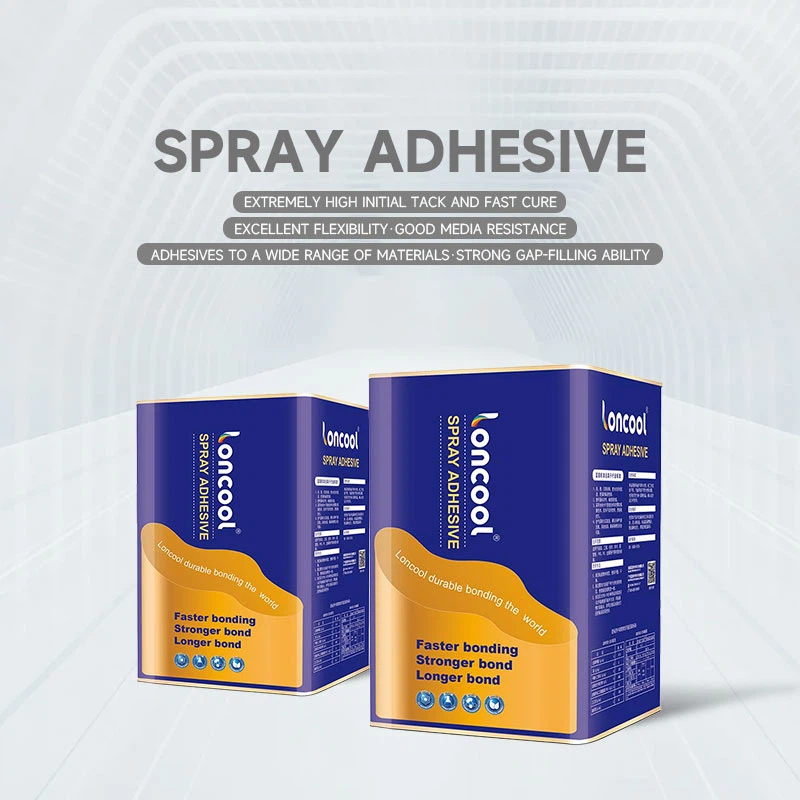
Hey there! As a spray adhesive supplier, I often get asked a bunch of questions about the different uses of our products. One question that pops up quite a bit is, "Can spray adhesive be used for bonding plastic to plastic?" Well, let's dive right into it and find out.
First off, what exactly is spray adhesive? It's a type of adhesive that comes in a spray can. When you press the nozzle, it releases a fine mist of adhesive that you can apply evenly over a surface. The great thing about spray adhesives is that they're super easy to use. You don't have to deal with messy brushes or applicators. Just point and spray!
Now, back to the main question. Can you use spray adhesive to bond plastic to plastic? The short answer is yes, but it depends on a few factors.
Types of Plastics
Not all plastics are created equal. There are different types of plastics out there, and each has its own properties. Some plastics are more receptive to adhesives than others.
For example, polypropylene and polyethylene are known as "low-surface-energy" plastics. These plastics have a smooth surface that makes it difficult for adhesives to stick. If you're trying to bond two pieces of polypropylene or polyethylene, you might need to do some surface preparation first. You can use a primer or sand the surface lightly to create a rougher texture that the adhesive can grip onto.
On the other hand, plastics like ABS (acrylonitrile butadiene styrene), PVC (polyvinyl chloride), and acrylic are "high-surface-energy" plastics. These plastics are easier to bond because they have a more porous surface that allows the adhesive to penetrate and form a strong bond.
Choosing the Right Spray Adhesive
There are different types of spray adhesives available on the market, and each is designed for specific applications. When it comes to bonding plastic to plastic, you need to choose an adhesive that's compatible with the type of plastic you're working with.
For general-purpose plastic bonding, a solvent-based spray adhesive can be a good choice. Solvent-based adhesives work by dissolving a small amount of the plastic surface, which allows the adhesive to bond with the plastic on a molecular level. However, solvent-based adhesives can be a bit smelly and flammable, so you need to use them in a well-ventilated area.
If you're looking for a more environmentally friendly option, there are also water-based spray adhesives available. Water-based adhesives are less toxic and have a lower odor compared to solvent-based adhesives. They're also easier to clean up with just water. However, they might not be as strong as solvent-based adhesives, especially when it comes to bonding low-surface-energy plastics.
Another option is a cyanoacrylate-based spray adhesive, also known as super glue spray. Cyanoacrylate adhesives are known for their fast bonding properties and high strength. They work well for bonding small plastic parts together, but they might not be suitable for large surface areas.
Surface Preparation
As I mentioned earlier, surface preparation is crucial when it comes to bonding plastic to plastic. Before applying the spray adhesive, you need to make sure the plastic surfaces are clean and dry. Any dirt, grease, or oil on the surface can prevent the adhesive from bonding properly.
You can clean the plastic surfaces with a mild detergent and water, then rinse them thoroughly and let them dry completely. If you're working with low-surface-energy plastics, you might also need to use a primer or sand the surface lightly to improve adhesion.
Application Process
Once you've chosen the right spray adhesive and prepared the plastic surfaces, it's time to apply the adhesive. Here's a step-by-step guide on how to do it:
- Shake the can well: Before using the spray adhesive, make sure to shake the can vigorously for at least 1 minute. This helps to mix the adhesive properly and ensure an even spray.
- Test the adhesive: It's always a good idea to test the adhesive on a small, inconspicuous area first to make sure it works well with your plastic. Spray a small amount of adhesive on the test area and let it dry. Then, try to bond the two plastic pieces together and see if the bond is strong.
- Apply the adhesive: Hold the spray can about 6-8 inches away from the plastic surface and spray the adhesive in a steady, even motion. Make sure to cover the entire surface evenly, but don't overspray. You only need a thin layer of adhesive for a strong bond.
- Let the adhesive dry: After applying the adhesive, let it dry for the recommended amount of time. This can vary depending on the type of adhesive you're using, but it usually takes a few minutes to an hour.
- Bond the plastic pieces together: Once the adhesive is dry, carefully align the two plastic pieces and press them together firmly. Apply pressure for a few minutes to ensure a good bond.
Strength and Durability
The strength and durability of the bond between two plastic pieces depend on several factors, including the type of plastic, the type of adhesive, and the application process. In general, a well-bonded plastic joint can withstand a fair amount of stress and strain.
However, it's important to note that the bond might not be as strong as a weld or a mechanical fastener. If you're using the bonded plastic pieces in a high-stress application, you might need to reinforce the bond with additional support.
Other Considerations
When using spray adhesive to bond plastic to plastic, there are a few other things you need to keep in mind.

- Temperature and humidity: The temperature and humidity can affect the performance of the adhesive. Most spray adhesives work best at room temperature (around 70°F) and a relative humidity of 40-60%. If the temperature is too low or too high, or if the humidity is too high, the adhesive might not dry properly or form a strong bond.
- Safety precautions: As I mentioned earlier, some spray adhesives can be toxic and flammable. Make sure to read the label carefully and follow all the safety precautions. Wear gloves, goggles, and a respirator if necessary, and use the adhesive in a well-ventilated area.
- Compatibility with other products: If you're using the bonded plastic pieces in a product that will come into contact with other chemicals or materials, make sure to check the compatibility of the adhesive with those products. Some adhesives might react with certain chemicals and cause the bond to fail.
Conclusion
So, can spray adhesive be used for bonding plastic to plastic? The answer is yes, but it's important to choose the right adhesive, prepare the surfaces properly, and follow the application instructions carefully. With the right approach, you can achieve a strong and durable bond between two plastic pieces.
If you're still not sure which spray adhesive is right for your project, or if you have any other questions, feel free to reach out to us. We're a spray adhesive supplier, and we're here to help you find the best solution for your needs. Whether you're working on a small DIY project or a large industrial application, we have a wide range of spray adhesives to choose from.
And if you're looking for a different type of spray product, check out our Spray Silicone. It's great for lubricating, protecting, and waterproofing various surfaces.
So, don't hesitate to contact us if you're interested in purchasing our spray adhesives. We're always happy to discuss your requirements and help you find the perfect product for your project. Let's work together to create strong and reliable bonds!
References
- "Adhesives and Sealants Handbook" by Robert A. White
- "Plastics Engineering Handbook" by Myer Kutz
- Manufacturer's instructions and technical data sheets for spray adhesives