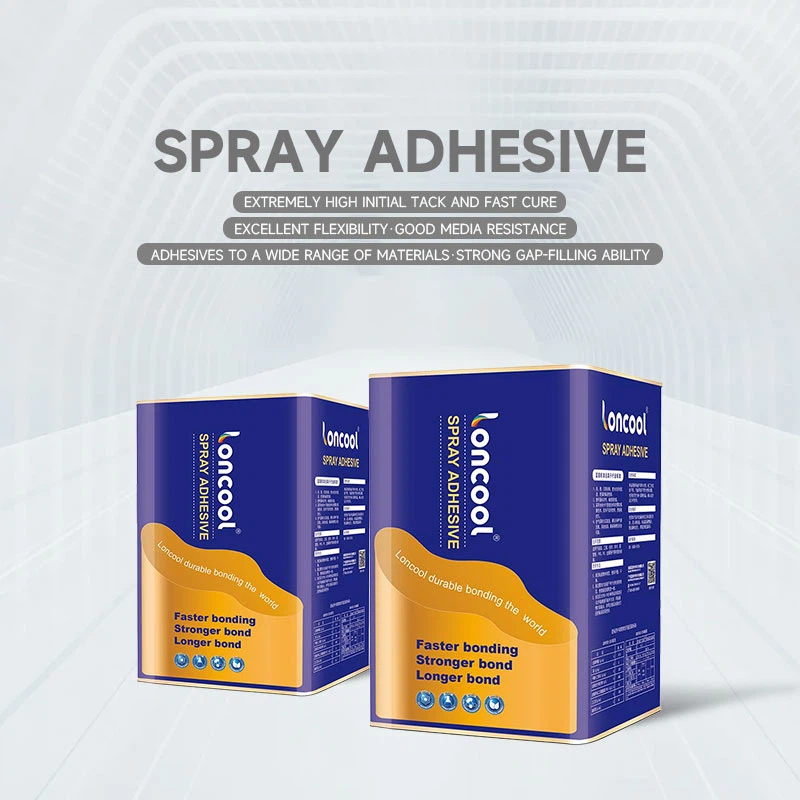
Acetic sealant, a widely used product in various industries, has gained significant popularity due to its excellent sealing properties. As a supplier of Acetic Sealant, I am often asked about how this remarkable product works. In this blog post, I will delve into the science behind Acetic Sealant, exploring its composition, curing process, and the factors that influence its performance.
Composition of Acetic Sealant
Acetic sealant is primarily based on silicone polymers. These polymers are long - chain molecules that form the backbone of the sealant. Along with the silicone polymers, acetic sealants contain several other components. One of the key ingredients is a cross - linking agent. This agent is responsible for creating bonds between the silicone polymer chains during the curing process, which ultimately gives the sealant its solid and elastic properties.
Another important component is a filler. Fillers are added to improve the mechanical properties of the sealant, such as its strength and durability. Common fillers used in acetic sealants include calcium carbonate and fumed silica. Calcium carbonate is a cost - effective filler that can increase the volume of the sealant, while fumed silica is used to enhance the thixotropy of the sealant, which means it can flow easily when applied but resist sagging once in place.
The acetic sealant also contains a catalyst. The catalyst speeds up the curing reaction, allowing the sealant to set and harden in a reasonable amount of time. Without a catalyst, the curing process would be extremely slow, making the sealant impractical for most applications.
The Curing Process
The curing process of acetic sealant is a chemical reaction known as hydrolysis and condensation. When the acetic sealant is exposed to moisture in the air, the cross - linking agent reacts with water molecules. This reaction is called hydrolysis, and it breaks some of the chemical bonds in the cross - linking agent, creating reactive groups.


These reactive groups then react with each other and with the silicone polymer chains through a process called condensation. During condensation, water molecules are released as a by - product, and new chemical bonds are formed between the polymer chains and the cross - linking agent. As more and more bonds are formed, the sealant gradually changes from a liquid or paste - like state to a solid, elastic material.
The acetic acid is also released during the curing process, which gives acetic sealants their characteristic vinegar - like smell. The release of acetic acid is an important part of the curing mechanism, as it helps to maintain an acidic environment that promotes the cross - linking reaction.
How Acetic Sealant Works in Sealing Applications
Once the acetic sealant has cured, it forms a flexible and durable barrier. In sealing applications, such as around windows, doors, or in plumbing joints, the sealant fills the gaps and spaces between different materials. Its elastic nature allows it to expand and contract with changes in temperature and humidity, without losing its sealing ability.
For example, in a window installation, the acetic sealant is applied around the perimeter of the window frame. As the sealant cures, it adheres tightly to both the window frame and the wall. When the temperature changes, the window frame may expand or contract. The elastic sealant can accommodate these movements, preventing air and water from leaking into the building.
In plumbing applications, acetic sealant can be used to seal joints between pipes. It creates a watertight seal that can withstand the pressure of flowing water. The chemical resistance of the cured sealant also makes it suitable for use with a variety of fluids, including water, some chemicals, and mild acids.
Factors Affecting the Performance of Acetic Sealant
Several factors can influence how well acetic sealant works. One of the most important factors is the temperature and humidity during the curing process. Higher temperatures and humidity levels generally speed up the curing process. However, if the temperature is too high or the humidity is too low, the curing may occur too quickly, resulting in a brittle and less - effective seal. On the other hand, if the temperature is too low or the humidity is too high, the curing process may be delayed, and the sealant may not reach its full strength.
The surface preparation is also crucial. The surfaces to which the acetic sealant is applied must be clean, dry, and free of any dirt, grease, or old sealant. If the surfaces are not properly prepared, the sealant may not adhere well, leading to poor sealing performance.
The type of substrate also matters. Different materials have different surface energies, which can affect the adhesion of the sealant. For example, some plastics may have low surface energy, making it more difficult for the sealant to bond. In such cases, a primer may be required to improve the adhesion.
Advantages of Acetic Sealant
Acetic sealant offers several advantages over other types of sealants. One of the main advantages is its excellent adhesion to a wide range of materials, including glass, metal, and many plastics. This makes it a versatile choice for various applications.
It also has good weather resistance. The cured sealant can withstand exposure to sunlight, rain, and extreme temperatures without significant degradation. This makes it suitable for both indoor and outdoor applications.
Another advantage is its flexibility. The elastic nature of the cured sealant allows it to accommodate movements and vibrations, which is essential in many construction and industrial applications.
Disadvantages of Acetic Sealant
However, acetic sealant also has some limitations. The most obvious drawback is the strong vinegar - like smell during the curing process. This smell can be unpleasant and may be a problem in enclosed spaces or areas where people are sensitive to odors.
Acetic sealant is also corrosive to some metals, such as aluminum and copper. When in contact with these metals, the acetic acid released during curing can cause corrosion, which may damage the metal over time. Therefore, it is important to use acetic sealant carefully in applications involving these metals.
Applications of Acetic Sealant
Acetic sealant has a wide range of applications. In the construction industry, it is commonly used for sealing windows, doors, and curtain walls. It can also be used for sealing expansion joints in buildings to prevent water and air infiltration.
In the automotive industry, acetic sealant is used for sealing windshields, doors, and other components. Its flexibility and weather resistance make it suitable for withstanding the vibrations and temperature changes experienced by vehicles.
In the plumbing industry, as mentioned earlier, it is used for sealing joints between pipes and fittings. It can also be used for sealing around bathtubs, sinks, and toilets.
Why Choose Our Acetic Sealant
As a supplier of Acetic Sealant, we take pride in offering high - quality products. Our acetic sealants are formulated using the latest technology and the best - quality raw materials. We ensure that our products meet strict quality standards, providing excellent sealing performance and durability.
We offer a variety of acetic sealants to meet different customer needs. Whether you need a fast - curing sealant for a quick project or a high - strength sealant for a demanding application, we have the right product for you.
Our technical support team is always ready to assist you. If you have any questions about how to use our acetic sealant, or if you need advice on which product is suitable for your specific application, we are here to help.
Contact Us for Procurement
If you are interested in purchasing our Acetic Sealant, we encourage you to contact us for procurement and further discussions. Our team will be happy to provide you with detailed product information, pricing, and delivery options. We are committed to providing you with the best service and the highest - quality products.
References
- Brown, R. W. (2007). Silicones and Silicone-Modified Materials. Wiley.
- Hull, D., & Clyne, T. W. (2004). An Introduction to Composite Materials. Cambridge University Press.
- White, J. R., & Athey, R. D. (1998). Adhesives Technology Handbook. CRC Press.
Remember, for more information about Acetic Sealant and related products, you can visit our websites: Acetic Silicone and Acetic Sealant.