As a supplier of Grout Filler for Tile, I often receive inquiries from customers about how to store unused grout filler for tile properly. Proper storage is crucial to maintain the quality and usability of the grout filler, ensuring it remains in good condition for future projects. In this blog post, I'll share some practical tips and best practices for storing unused tile grout filler.
Understanding the Nature of Grout Filler
Before delving into storage methods, it's essential to understand what grout filler is and how it behaves. Grout filler is a composite material typically made from cement, sand, water, and various additives. These additives can include polymers, colorants, and anti - fungal agents. The chemical properties of grout filler make it sensitive to environmental factors such as moisture, temperature, and air exposure.
Factors Affecting Grout Filler Storage
Moisture
Moisture is the arch - enemy of grout filler. Cement, a primary component of grout, reacts with water to form a hard, solid mass through a process called hydration. If the grout filler is exposed to excessive moisture during storage, it can start to set prematurely, rendering it useless for future tile projects.
Temperature
Extreme temperatures can also have a negative impact on grout filler. High temperatures can cause the water in the grout to evaporate too quickly, leading to cracking and a change in the grout's consistency. On the other hand, freezing temperatures can cause the water in the grout to expand, which can break down the structure of the grout and affect its bonding properties.
Air Exposure
Air contains moisture and can cause the grout filler to dry out over time. Additionally, exposure to air can lead to the oxidation of some of the additives in the grout, which may change its color and performance.
Best Practices for Storing Unused Grout Filler
Keep it Sealed
The first and most important step in storing grout filler is to keep it tightly sealed. Most grout fillers come in sealed bags or containers. If you've opened a bag, transfer the remaining grout to an air - tight container. Plastic containers with snap - on lids or heavy - duty ziplock bags work well. Make sure to remove as much air as possible before sealing to prevent oxidation and moisture absorption.
Store in a Dry Place
Choose a dry location for storing your grout filler. A basement or a garage that is prone to dampness is not a good choice. Instead, opt for a storage closet in your home or a dry storage area in your workshop. If you're storing grout in a commercial setting, ensure the storage area is climate - controlled to maintain low humidity levels.
Protect from Temperature Extremes
Store the grout filler in an area where the temperature remains relatively stable. Avoid storing it near heating vents, radiators, or in direct sunlight. In cold climates, make sure the storage area does not freeze. If you're storing grout in a shed or an unheated building during the winter, consider using insulation or a space heater to keep the temperature above freezing.
Elevate the Storage
Place the grout filler containers on shelves or pallets rather than directly on the floor. This helps to prevent moisture from seeping up from the ground and reaching the grout. It also makes it easier to access the grout and keeps it organized.
Label the Containers
It's a good practice to label the containers with the type of grout filler, the date it was purchased, and the date it was opened. This information can be helpful in determining the shelf life of the grout and ensuring you use the oldest grout first.
Shelf Life of Grout Filler
The shelf life of grout filler can vary depending on the type and brand. Generally, unopened grout filler can last from one to two years if stored properly. Once opened, the shelf life is significantly reduced, usually to a few months. However, if you follow the storage guidelines mentioned above, you can extend the usability of the opened grout filler.
Signs of Spoiled Grout Filler
It's important to check the grout filler for signs of spoilage before using it. Here are some signs that your grout filler may have gone bad:
Hardening
If the grout filler has hardened into a solid mass, it's no longer usable. This can happen due to exposure to moisture or extended storage.
Discoloration
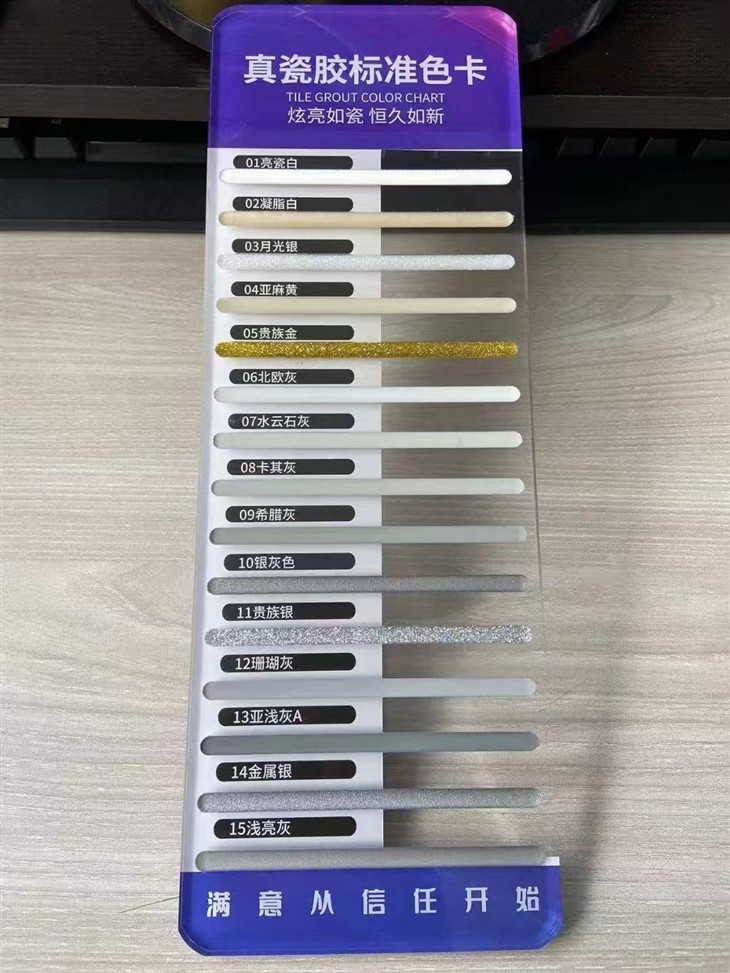
A significant change in color may indicate that the grout filler has been affected by oxidation or other chemical reactions. Discolored grout may not match the desired color for your tile project.

Clumping
Clumps in the grout filler can be a sign of moisture exposure. These clumps may not break down easily during mixing, resulting in an uneven grout application.
Reusing Stored Grout Filler
If you're planning to reuse stored grout filler, it's important to take some precautions. First, inspect the grout for any signs of spoilage as mentioned above. If the grout looks and feels okay, mix it thoroughly before use. You may need to add a small amount of water to restore the proper consistency. However, be careful not to add too much water, as this can affect the strength and durability of the grout.
Conclusion
Proper storage of unused grout filler for tile is essential to maintain its quality and usability. By keeping the grout sealed, storing it in a dry and temperature - controlled environment, and following the best practices outlined in this blog post, you can ensure that your grout filler remains in good condition for future tile projects.
If you're in the market for high - quality Grout Filler for Tile, I invite you to reach out to discuss your procurement needs. We offer a wide range of grout fillers that are designed to meet the diverse requirements of tile installations. Whether you're a professional contractor or a DIY enthusiast, we can provide you with the right grout solution for your project. Contact us to start the procurement discussion.
References
- "Tile Grout: A Comprehensive Guide" by Tile Association
- Manufacturer's instructions for various grout filler products.