Can sealant be used for roofing construction? This is a question that many in the construction industry often ponder. As a supplier of Sealant Construction, I am here to provide a comprehensive answer based on scientific knowledge and practical experience.
The Role of Sealant in Roofing
Roofing is one of the most critical components of a building, protecting it from the elements such as rain, snow, wind, and sunlight. Sealant plays a vital role in ensuring the integrity and durability of the roof. It can be used to seal joints, seams, and gaps in the roofing materials, preventing water infiltration and air leakage.
One of the main functions of sealant in roofing is waterproofing. A high - quality Construction Waterproof Sealant can create a tight and long - lasting barrier against water. For example, in flat roofs, where water pooling is a common problem, sealant can be applied around the edges, drains, and any penetrations to prevent water from seeping into the building structure. In pitched roofs, it can seal the gaps between roofing tiles or shingles, protecting the underlying layers from moisture damage.
Another important aspect is air sealing. Air leakage through the roof can lead to energy inefficiency, as heated or cooled air escapes from the building. By using sealant to seal cracks and joints, the building's energy performance can be significantly improved. This not only reduces energy costs but also enhances the comfort of the indoor environment.
Types of Sealants Suitable for Roofing
There are several types of sealants available for roofing construction, each with its own characteristics and applications.
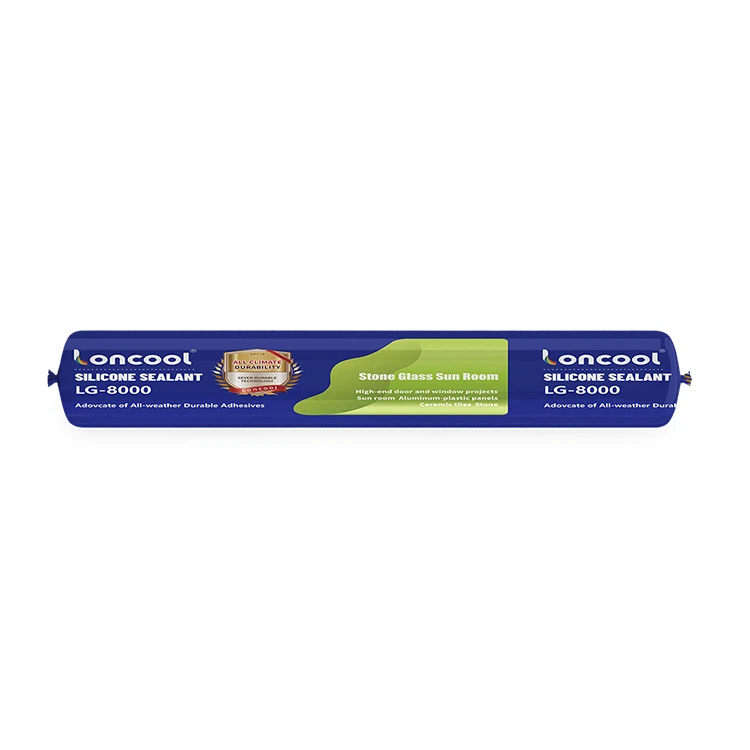

Silicone Sealants
Silicone sealants are widely used in roofing due to their excellent weather resistance, flexibility, and adhesion. They can withstand extreme temperatures, UV radiation, and moisture without losing their sealing properties. Neutral Silicone Structural Adhesive is a type of silicone sealant that is often used for structural applications in roofing. It can bond different roofing materials together, providing a strong and durable connection. Silicone sealants are also resistant to mold and mildew growth, which is important for maintaining the aesthetic and hygienic quality of the roof.
Polyurethane Sealants
Polyurethane sealants offer good adhesion and flexibility. They are known for their high tensile strength and ability to withstand movement in the roofing structure. Polyurethane sealants can be used in areas where there is significant expansion and contraction, such as around skylights or in areas with seismic activity. However, they may require more careful surface preparation compared to silicone sealants.
Acrylic Sealants
Acrylic sealants are a more economical option for roofing. They are easy to apply and have good adhesion to many roofing materials. However, they are not as durable as silicone or polyurethane sealants in extreme weather conditions. Acrylic sealants are often used for minor repairs and sealing non - critical joints in the roof.
Application Considerations
Proper application of sealant is crucial for its effectiveness in roofing construction.
Surface Preparation
Before applying sealant, the surface must be clean, dry, and free of dirt, dust, grease, and loose materials. Any existing sealant or coatings should be removed, and the surface may need to be sanded or primed depending on the type of sealant being used. For example, silicone sealants generally adhere well to clean surfaces, but some porous materials may require a primer to improve adhesion.
Temperature and Humidity
The temperature and humidity during application can significantly affect the performance of the sealant. Most sealants have specific temperature and humidity ranges within which they should be applied. For instance, silicone sealants typically perform best when applied at temperatures between 40°F (4°C) and 100°F (38°C) and relative humidity below 85%. Applying sealant outside of these ranges can lead to improper curing, reduced adhesion, and premature failure.
Application Technique
The sealant should be applied evenly and in the correct amount. A caulking gun is commonly used to apply sealant, and the bead should be smooth and continuous. It is important to follow the manufacturer's instructions regarding the width and depth of the sealant joint. After application, the sealant may need to be tooled to ensure a proper seal and a neat appearance.
Advantages of Using Sealant in Roofing
The use of sealant in roofing construction offers several advantages.
Cost - Effectiveness
Compared to replacing an entire roof, using sealant for repairs and maintenance can be a much more cost - effective solution. Sealant can extend the lifespan of the roof by preventing further damage and deterioration. For example, a small leak in the roof can be easily sealed with sealant, avoiding the need for expensive roof replacement.
Energy Efficiency
As mentioned earlier, sealant can improve the energy efficiency of the building by reducing air leakage. This leads to lower energy consumption and cost savings over time. In addition, a well - sealed roof can also reduce the workload on the heating and cooling systems, extending their lifespan.
Durability
When properly applied, sealant can provide a long - lasting seal. It can protect the roof from the elements and prevent water damage, which can lead to structural problems and mold growth. This helps to maintain the integrity of the building and reduces the need for frequent repairs.
Challenges and Limitations
While sealant is a valuable tool in roofing construction, it also has some challenges and limitations.
Limited Lifespan
Even the best - quality sealants have a limited lifespan. Over time, they may degrade due to exposure to UV radiation, extreme temperatures, and other environmental factors. The lifespan of a sealant can vary depending on the type, quality, and application conditions. Regular inspection and maintenance are required to ensure that the sealant is still effective and to replace it when necessary.
Compatibility Issues
There may be compatibility issues between different types of sealants and roofing materials. Using an incompatible sealant can lead to adhesion problems, chemical reactions, and premature failure. It is important to consult the manufacturer's guidelines and conduct compatibility tests before using a new sealant on a particular roofing material.
Conclusion
In conclusion, sealant can be effectively used for roofing construction. It offers many benefits in terms of waterproofing, air sealing, energy efficiency, and cost - effectiveness. However, proper selection, application, and maintenance are essential for achieving the best results.
As a Sealant Construction supplier, we have a wide range of high - quality sealants suitable for various roofing applications. Our team of experts can provide technical support and guidance on the selection and application of sealants. If you are involved in roofing construction or maintenance and are looking for reliable sealant solutions, we invite you to contact us for a consultation. We are committed to helping you find the best sealant products for your specific needs and ensuring the success of your roofing projects.
References
- ASTM International. (2023). Standards for Sealants in Construction. ASTM.
- Sealant Manufacturers Association. (2023). Guide to Sealant Selection and Application. SMA.
- Building Science Corporation. (2023). Roofing Sealant Performance and Durability. BSC.