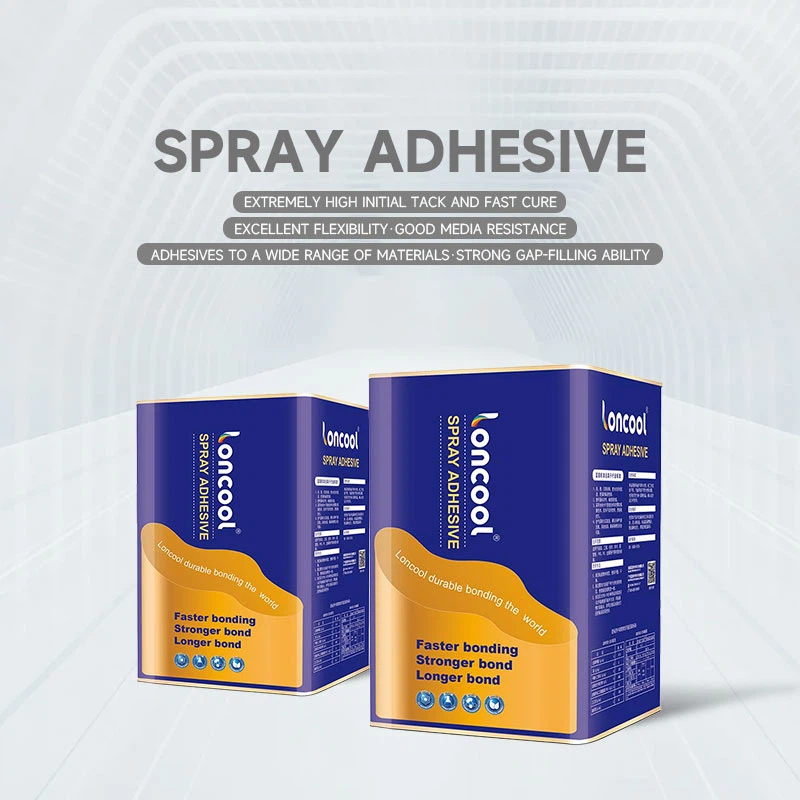
Hey there! As a supplier of PU Foam Sealant, I often get asked if our product can be used for filling gaps in concrete. Well, let's dive right into it and find out!
What is PU Foam Sealant?
First things first, let's talk a bit about what PU foam sealant is. Polyurethane (PU) foam sealant is a versatile product that comes in a can. When you spray it out, it expands and hardens, creating a seal. It's commonly used for a variety of applications, like sealing around windows and doors, insulating pipes, and yes, filling gaps.
Can It Be Used for Concrete Gaps?
The short answer is yes, PU foam sealant can be used for filling gaps in concrete. But there are some things you need to consider.
Advantages
- Expansion and Flexibility: One of the biggest advantages of PU foam sealant is its ability to expand. When you spray it into a gap in concrete, it fills every nook and cranny, no matter how irregular the shape of the gap is. It also has some flexibility, which means it can withstand small movements in the concrete without cracking. This is great because concrete can expand and contract due to temperature changes.
- Insulation: PU foam sealant provides good insulation. If you're filling gaps in concrete around a building, it can help keep the heat in during the winter and the cool air in during the summer. This can lead to energy savings in the long run.
- Waterproofing: Once it has hardened, PU foam sealant is waterproof. This is important for concrete gaps, especially if they are exposed to the elements. It can prevent water from seeping into the concrete, which can cause damage over time.
Disadvantages
- Not for Large Gaps: While PU foam sealant can fill small to medium-sized gaps in concrete, it's not the best option for very large gaps. If the gap is too big, the foam may not be able to support its own weight as it expands, and it could sag or collapse. In such cases, you might need to use a different filler material first and then use the foam sealant for a finishing touch.
- UV Sensitivity: PU foam sealant is sensitive to ultraviolet (UV) rays. If the filled gap is exposed to direct sunlight, the foam can start to break down over time. To prevent this, you can paint over the foam with a UV-resistant paint or use a different type of sealant on the surface.
How to Use PU Foam Sealant for Concrete Gaps
If you've decided that PU foam sealant is the right choice for your concrete gap, here's how you can use it:
- Prepare the Gap: Clean the gap thoroughly to remove any dirt, dust, or loose concrete. You can use a wire brush or a vacuum cleaner to do this. Make sure the gap is dry before you start.
- Shake the Can: Shake the can of PU foam sealant well for at least a minute. This ensures that the components inside the can are properly mixed.
- Apply the Foam: Cut the nozzle of the can at an angle to create a small opening. Insert the nozzle into the gap and start spraying the foam. Fill the gap slowly, allowing the foam to expand. Don't overfill the gap, as the foam will continue to expand after you've stopped spraying.
- Smooth the Foam: Once the foam has expanded and started to harden, you can use a knife or a saw to cut off any excess foam. You can also smooth the surface of the foam with a putty knife.
- Let It Cure: The foam needs time to fully cure. This usually takes a few hours, but it can take up to 24 hours depending on the temperature and humidity. Make sure the area is well-ventilated during the curing process.
Case Studies
Let me share a couple of case studies to give you an idea of how our PU Foam Sealant has been used for filling gaps in concrete.
Residential Building
A homeowner had some small gaps in the concrete foundation of their house. They were worried about water seeping in and causing damage. They decided to use our PU foam sealant to fill the gaps. After applying the foam, they noticed that the gaps were completely sealed, and there was no more water leakage. They also found that the house was a bit warmer in the winter, thanks to the insulation provided by the foam.
Commercial Building
A commercial building had gaps in the concrete around the doors and windows. The building manager wanted to improve the energy efficiency of the building and prevent drafts. They used our PU foam sealant to fill the gaps. After the installation, they saw a significant reduction in their energy bills, and the occupants of the building reported that the indoor environment was more comfortable.
Conclusion
So, can PU foam sealant be used for filling gaps in concrete? Absolutely! It has many advantages, such as expansion, insulation, and waterproofing. However, it also has some limitations, like not being suitable for very large gaps and being sensitive to UV rays. As a supplier of PU Foam Sealant, I can tell you that our product is a great option for most concrete gap-filling applications.

If you're interested in using our PU foam sealant for your concrete gap-filling needs, I encourage you to get in touch with us. We can provide you with more information, samples, and competitive pricing. Whether you're a homeowner, a contractor, or a building manager, we're here to help you find the right solution for your project.
References
- "Polyurethane Foam Sealants: Properties and Applications" - Journal of Building Materials
- "Concrete Repair and Maintenance" - American Concrete Institute