Can polyurethane foam sealant be used for sealing gaps in rubber? This is a question that often pops up in various industries and DIY projects. As a supplier of PU Foam Sealant, I'm here to provide a comprehensive and scientific answer to this query.
Understanding Polyurethane Foam Sealant
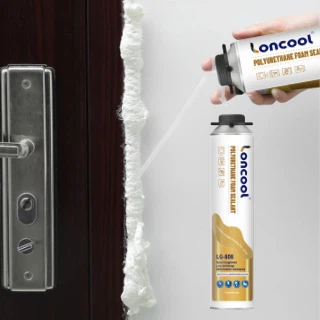
Polyurethane foam sealant is a versatile and widely used product in the construction and maintenance sectors. It is a two - component system that, when mixed, expands rapidly to form a foam. This foam has excellent adhesive properties, high elasticity, and good insulation capabilities. It can fill irregular gaps and spaces effectively, providing a reliable seal against air, water, dust, and even some chemicals.
There are different types of polyurethane foam sealants available in the market, such as one - component and two - component systems. One - component sealants are more user - friendly and are usually activated by moisture in the air. They are suitable for small - scale projects and DIY applications. Two - component sealants, on the other hand, offer better performance in terms of strength, durability, and resistance to extreme conditions. They are commonly used in industrial applications where high - quality sealing is required.
Properties of Rubber
Rubber is a natural or synthetic elastomer with unique physical and chemical properties. It has high elasticity, which allows it to stretch and return to its original shape without significant deformation. Rubber also has good resistance to water, ozone, and some chemicals. There are various types of rubber, including natural rubber, neoprene, silicone rubber, and EPDM (ethylene propylene diene monomer).

Each type of rubber has its own set of properties and applications. For example, natural rubber is known for its high elasticity and resilience, making it suitable for applications such as tires and rubber bands. Neoprene has excellent resistance to oil, heat, and chemicals, making it a popular choice for gaskets and seals in automotive and industrial settings.
Compatibility of Polyurethane Foam Sealant with Rubber
The compatibility of polyurethane foam sealant with rubber depends on several factors. One of the most important factors is the type of rubber. Some types of rubber are more compatible with polyurethane foam sealant than others.
Natural rubber, for instance, can be prone to chemical reactions with some of the components in polyurethane foam sealant. The chemicals in the sealant may cause the rubber to swell, harden, or deteriorate over time. On the other hand, synthetic rubbers like EPDM and silicone rubber generally have better chemical resistance and are more likely to be compatible with polyurethane foam sealants.
Another factor to consider is the surface condition of the rubber. The rubber surface should be clean, dry, and free of any contaminants such as oil, grease, or dust. These contaminants can prevent the sealant from adhering properly to the rubber surface, reducing the effectiveness of the seal.
Advantages of Using Polyurethane Foam Sealant for Sealing Rubber Gaps
If the compatibility between the polyurethane foam sealant and the rubber is ensured, there are several advantages to using the sealant for sealing gaps in rubber.
Firstly, polyurethane foam sealant can provide a tight and long - lasting seal. The expanding nature of the foam allows it to fill even the smallest gaps and irregularities in the rubber surface, preventing air, water, or other substances from passing through. This can be particularly useful in applications where a high level of sealing is required, such as in automotive engines or industrial machinery.
Secondly, polyurethane foam sealant has excellent insulation properties. In some applications, such as in refrigeration or insulation systems, using the sealant to seal rubber gaps can help to reduce heat transfer and improve energy efficiency.
Thirdly, the elasticity of the polyurethane foam sealant can complement the elasticity of the rubber. This means that the sealant can stretch and move with the rubber as it expands and contracts due to temperature changes or mechanical stress, without losing its sealing properties.
Disadvantages and Risks
However, there are also some potential disadvantages and risks associated with using polyurethane foam sealant to seal gaps in rubber.
As mentioned earlier, there is a risk of chemical incompatibility between the sealant and the rubber. This can lead to degradation of the rubber over time, which may affect the performance and lifespan of the rubber component.
Another risk is that the expanding foam can exert pressure on the rubber. If the rubber is not strong enough to withstand this pressure, it may deform or crack. This is especially a concern in applications where the rubber is thin or has a complex shape.
Testing and Validation
Before using polyurethane foam sealant to seal gaps in rubber for a specific application, it is highly recommended to conduct a compatibility test. This can be done by applying a small amount of the sealant to a sample of the rubber and observing the reaction over a period of time. Look for any signs of swelling, hardening, discoloration, or loss of adhesion.
If possible, it is also advisable to consult with the manufacturers of both the polyurethane foam sealant and the rubber. They can provide valuable information about the compatibility of their products and offer recommendations based on their knowledge and experience.
Applications
There are many applications where sealing gaps in rubber with polyurethane foam sealant can be beneficial. In the automotive industry, it can be used to seal rubber gaskets and seals in engines, doors, and windows. This helps to prevent water leakage, reduce noise, and improve the overall performance of the vehicle.
In the construction industry, polyurethane foam sealant can be used to seal rubber joints in buildings, such as expansion joints and window seals. This helps to improve the energy efficiency of the building by preventing air and water infiltration.
In the industrial sector, it can be used to seal rubber components in machinery, such as pumps, valves, and conveyors. This helps to prevent leaks and ensure the smooth operation of the equipment.
Conclusion
In conclusion, polyurethane foam sealant can be used for sealing gaps in rubber, but it is crucial to consider the compatibility between the two materials. By choosing the right type of sealant and rubber, ensuring proper surface preparation, and conducting compatibility tests, the risks can be minimized, and the benefits of using the sealant can be fully realized.
If you are interested in purchasing high - quality PU Foam Sealant for your rubber sealing needs, please feel free to contact us for more information and to discuss your specific requirements. We are committed to providing you with the best products and solutions to meet your sealing challenges.
References
- ASTM International. (20XX). Standard test methods for evaluating the properties of sealants.
- Rubber Manufacturers Association. (20XX). Technical data sheets on different types of rubber.
- Polyurethane Foam Sealant Manufacturers. (20XX). Product manuals and technical guides.