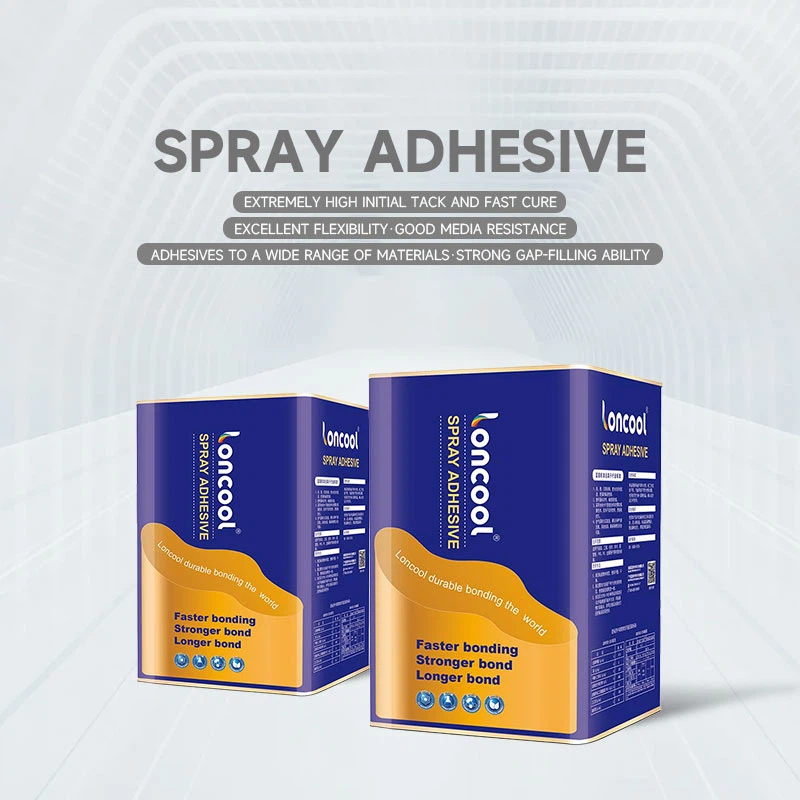
Hey there! As a tile grout supplier, I get this question a lot: "Can I use tile grout in a kitchen?" Well, let's dive right in and find out.
First off, what is tile grout anyway? Tile grout is that stuff that fills the spaces between tiles. It's not just for looks; it also helps protect the edges of the tiles and keeps dirt and moisture from getting in. There are different types of tile grout, like cement - based, epoxy, and urethane grouts. Each has its own pros and cons, and we'll talk about which ones work best in the kitchen.
The kitchen is a unique environment. It's a place where we cook, clean, and spill all sorts of things. There's heat, moisture, grease, and sometimes even acidic substances from foods like lemons or vinegar. So, when choosing tile grout for the kitchen, we need to consider a few key factors.
Durability
The kitchen is a high - traffic area. People are walking around, moving appliances, and generally being active. The tile grout needs to be tough enough to withstand all this activity. Cement - based grout is a popular choice because it's relatively inexpensive and can be quite durable. However, it can be a bit porous, which means it might absorb stains over time. Epoxy grout, on the other hand, is super durable. It's resistant to chemicals, stains, and moisture. It's a bit more expensive than cement - based grout, but it can last a long time in a kitchen environment. Urethane grout is also a good option. It's flexible, which can be great if your kitchen floor or walls experience some movement.
Resistance to Stains and Moisture
As I mentioned earlier, the kitchen is a place where spills are common. Grease, food, and liquids can easily stain the grout if it's not resistant. Epoxy grout is the clear winner here. It has a non - porous surface, so stains have a hard time sticking to it. Cement - based grout can be sealed to make it more stain - resistant, but the sealant will need to be reapplied every few years. Moisture is another concern. In the kitchen, there's steam from cooking and water from washing dishes. If the grout isn't moisture - resistant, it can lead to mold and mildew growth. Epoxy and urethane grouts are both very good at repelling moisture.


Aesthetics
Let's not forget about how the grout looks. The color of the grout can really change the look of your kitchen tiles. You can choose a grout color that matches the tiles for a seamless look or a contrasting color to make the tiles stand out. Cement - based grout comes in a wide range of colors, so you have plenty of options. Epoxy grout also has a good selection of colors, and it often has a more vibrant and long - lasting finish.
Now, let's talk about where in the kitchen you can use tile grout.
Kitchen Floors
The kitchen floor takes a lot of abuse. It's where people walk, where things get dropped, and where spills happen. For kitchen floors, I'd recommend using a durable grout like epoxy or urethane. They can handle the traffic and are less likely to crack or chip. If you choose cement - based grout, make sure to seal it well and be prepared to re - seal it periodically.
Kitchen Backsplashes
The backsplash in the kitchen is exposed to a lot of splashes from cooking and washing. It's important to use a grout that's resistant to stains and moisture. Epoxy grout is a great choice for backsplashes because it can keep its look even after years of use. You can also choose a grout color that complements your kitchen cabinets and countertops.
Kitchen Countertops
If you have tiled countertops, the grout needs to be able to withstand heat, scratches, and stains. Epoxy grout is the top pick here. It can handle the heat from hot pots and pans and is very resistant to scratches.
So, to answer the question "Can I use tile grout in a kitchen?" The answer is a big yes! But you need to choose the right type of grout for your specific needs.
If you're still not sure which grout is best for your kitchen, don't worry. We have a great product called Grout Filler for Tile. It's a high - quality grout that offers good durability, stain resistance, and a nice finish. It's suitable for both floors and walls in the kitchen.
If you're interested in purchasing tile grout for your kitchen, we're here to help. We can provide you with all the information you need about our products, including installation tips and maintenance advice. Whether you're a DIY enthusiast or a professional contractor, we have the right grout for your project. Just reach out to us, and we'll start a conversation about your kitchen grout needs. We can work together to find the perfect grout solution for your kitchen.
In conclusion, using tile grout in the kitchen is a great idea as long as you choose the right type. Consider the durability, stain and moisture resistance, and aesthetics when making your decision. And remember, we're here to support you every step of the way.
References
- Tile Council of North America. "Grout Selection Guide."
- Ceramic Tile Association. "Best Practices for Grouting in Kitchens."