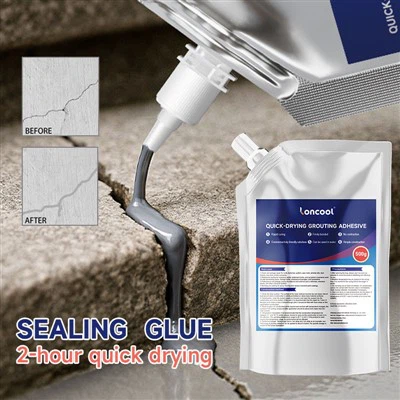
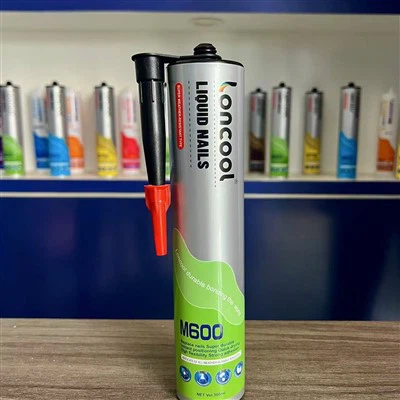
Foam (also known as polyurethane foam sealant) is a polymer material that expands and solidifies through a chemical reaction. It offers lightweight, thermally insulating, soundproofing, and waterproof properties. Due to its ease of use and adaptability, it has become an indispensable auxiliary material in modern engineering and daily life. The following are common uses of foam and their specific application scenarios:
I. Construction and Decoration
1. Filling Gaps and Voids
Foam is commonly used to fill gaps in walls, door and window frames, and around pipes. After expansion, it adheres tightly to irregular surfaces, effectively preventing air and moisture penetration. For example, when installing doors and windows, foam can fill the gap between the frame and the wall, improving the seal.
2. Sound and Thermal Insulation
Foam's closed-cell structure blocks sound transmission and is often used in wall interlayers or ceiling fillings to reduce noise disturbance. Furthermore, its low thermal conductivity (approximately 0.03 W/m·K) reduces heat loss and improves building energy efficiency.
II. Home and Daily Maintenance
1. Furniture Securing and Shockproofing
When assembling furniture, foam glue can be used to fill screw holes or joints between components to enhance stability and reduce shaking. For example, filling cabinets with foam glue at the contact point with the wall can prevent loosening after long-term use.
2. Pipeline Leak Prevention and Insulation
Holeholes where water pipes or electrical wires pass through walls can be sealed with foam glue, which is both waterproof and flame-retardant (meets UL94 fire rating standards).
III. Industry and Special Applications
1. Automotive Manufacturing and Repair
Foam glue is used to fill cavities in car doors, ceilings, and other areas, reducing weight and improving sound insulation. Some high-density foam glues can also be used for bumper repair.
2. Packaging and Transport Protection
When transporting fragile items, foam glue can be used to fill gaps in boxes to cushion vibrations and shock. Once cured, it is lightweight and does not increase shipping costs.
Precautions
- Shake the can for at least one minute before use to ensure even mixing.
- The recommended application temperature is between 5°C and 35°C. Low temperatures may reduce the expansion rate.
- After curing, the foam adhesive needs to be trimmed with a knife to prevent aging of exposed areas that may affect the appearance.
The above analysis shows that the uses of foam adhesive extend far beyond simple caulking. Its versatility makes it an effective solution across multiple industries. Choosing the right foam adhesive type (such as high-expansion or fire-resistant) and applying it correctly can maximize its performance advantages.