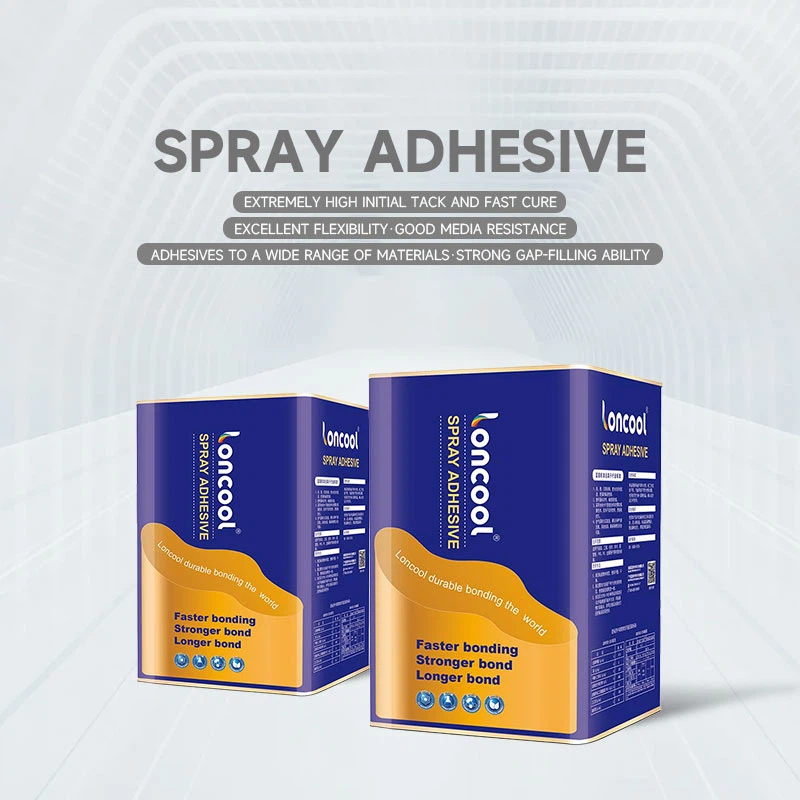
Hey there! As a supplier of liquid nails, I've gotten tons of questions about what surfaces these magical adhesives can bond to. Well, you're in luck because I'm here to break it all down for you.
Let's start with the basics. Liquid nails are a type of construction adhesive that can be used in a variety of applications. They're great for both DIY projects and professional construction jobs. The cool thing about liquid nails is that they can bond to a wide range of surfaces, making them super versatile.
Wood
Wood is one of the most common surfaces that liquid nails can bond to. Whether you're working with softwoods like pine or hardwoods like oak, liquid nails can create a strong and durable bond. For small woodworking projects, like building a bookshelf or a small cabinet, Liquid Nails Heavy Duty is a great choice. It has excellent adhesion and can hold up well over time.
If you're working on a larger construction project, such as framing a house or building a deck, Liquid Nails Construction is your go-to. It's designed to handle heavy loads and can bond to different types of wood, including pressure-treated lumber. This is really important because pressure-treated wood has chemicals in it that can make it tricky to bond with some adhesives. But liquid nails can get the job done.
Metal
Believe it or not, liquid nails can also bond to metal surfaces. This is useful for all sorts of things, like attaching metal brackets to a wall or joining metal pipes together. When working with metal, it's important to make sure the surface is clean and free of any rust or grease. You can use a wire brush or sandpaper to clean the surface before applying the liquid nails.
Liquid Nails Heavy Duty works well for bonding metal. It can create a strong bond that can withstand vibrations and movement. This is especially important if you're using the metal in a high-stress application, like in a machine or a vehicle.
Concrete and Masonry
Concrete and masonry are tough surfaces, but liquid nails can handle them. Whether you're installing baseboards on a concrete floor or attaching a stone veneer to a wall, liquid nails can provide a reliable bond. Before applying the adhesive, it's a good idea to roughen up the surface a bit to help the liquid nails grip better. You can use a chisel or a wire brush for this.


Liquid Nails Construction is ideal for concrete and masonry applications. It has a high bond strength and can withstand the weight and pressure of these heavy materials. Plus, it's resistant to water and weather, which is important if the bonded surface will be exposed to the elements.
Plastic
Plastic is another surface that liquid nails can bond to. There are different types of plastics, though, so it's important to choose the right liquid nails for the job. For example, if you're working with PVC plastic, you'll want to use a liquid nails product that's specifically designed for PVC.
Liquid Nails Heavy Duty can work for many types of plastics, but for more specialized plastics, you might need to do a bit of research. Some plastics have a smooth surface that can be difficult to bond to. In these cases, you can try using a primer or sanding the surface to improve adhesion.
Drywall
Drywall is a common material in interior construction, and liquid nails can be a great way to attach things to it. Whether you're hanging a picture frame or installing a new light fixture, liquid nails can provide a strong and secure bond. When using liquid nails on drywall, it's important to apply the adhesive in a zigzag pattern to ensure even coverage.
Liquid Nails Heavy Duty is a good choice for drywall applications. It dries quickly and can hold up well over time. Just make sure not to apply too much pressure when pressing the object onto the drywall, as this can cause the drywall to crack.
Glass
Bonding to glass might seem like a challenge, but liquid nails can do it. This is useful for things like installing a glass shower door or attaching a mirror to a wall. Before applying the liquid nails, make sure the glass is clean and dry. You can use a glass cleaner to remove any dirt or fingerprints.
Nail Free Sealant is a great option for bonding glass. It's clear and flexible, which means it won't leave any visible marks on the glass and can handle the movement and expansion that glass can experience.
Tips for Using Liquid Nails
- Read the instructions: Different liquid nails products have different application methods and drying times. Make sure to read the instructions on the label carefully before you start your project.
- Test the bond: Before applying the liquid nails to the entire surface, it's a good idea to do a small test in an inconspicuous area. This will help you make sure the adhesive works well with the surface and that you're happy with the results.
- Work in a well-ventilated area: Liquid nails can give off fumes, so it's important to work in a place with good air circulation. Open windows and doors or use a fan to keep the air moving.
- Be patient: Liquid nails take time to dry and cure. Don't try to move or disturb the bonded objects too soon. Follow the recommended drying time on the label.
Conclusion
As you can see, liquid nails are incredibly versatile and can bond to a wide variety of surfaces. Whether you're a DIY enthusiast or a professional contractor, liquid nails can be a valuable tool in your toolbox. If you're in the market for liquid nails for your next project, I'd love to talk to you. We have a great selection of liquid nails products that can meet your needs. Contact us to start a discussion about your procurement needs and let's find the perfect liquid nails solution for you.
References
- Manufacturer's product information for Liquid Nails Heavy Duty
- Manufacturer's product information for Nail Free Sealant
- Manufacturer's product information for Liquid Nails Construction