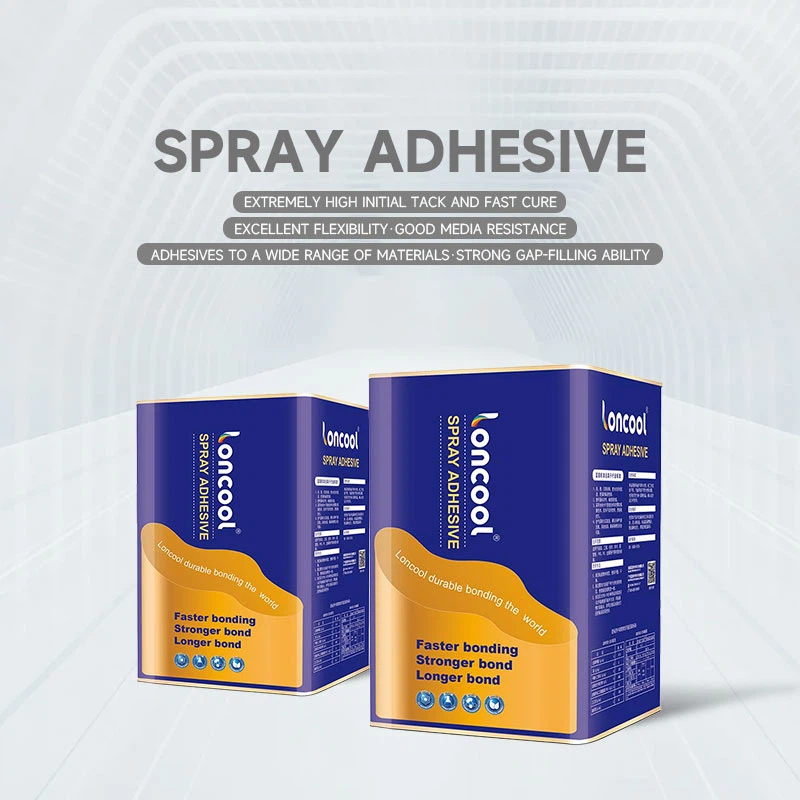
As a seasoned supplier of liquid nails, I've encountered numerous inquiries from customers regarding the maximum gap these versatile adhesives can fill. This topic is crucial as it directly impacts the effectiveness and reliability of various construction and DIY projects. In this blog, I'll delve into the factors influencing the gap-filling capacity of liquid nails, explore different product types, and provide practical insights based on my industry experience.
Understanding Liquid Nails and Their Function
Liquid nails are a type of construction adhesive designed to bond a wide range of materials, including wood, metal, concrete, and plastic. They offer a strong and durable alternative to traditional fasteners like nails and screws, providing a seamless and aesthetically pleasing finish. The key to their effectiveness lies in their ability to fill gaps between materials, ensuring a secure and long-lasting bond.
Factors Affecting Gap-Filling Capacity
Several factors influence the maximum gap liquid nails can fill. Understanding these factors is essential for selecting the right product and achieving optimal results.
1. Product Type
Different liquid nail products are formulated for specific applications and have varying gap-filling capabilities. For instance, Liquid Nails Heavy Duty is designed for heavy-duty bonding tasks and can typically fill larger gaps compared to standard formulations. On the other hand, products like No More Nails are known for their versatility and can be used for a wide range of projects, but may have more limited gap-filling capacity.


2. Material Porosity
The porosity of the materials being bonded plays a significant role in the gap-filling process. Porous materials, such as wood and drywall, tend to absorb the adhesive, reducing its ability to fill large gaps. In contrast, non-porous materials like metal and plastic allow the adhesive to remain on the surface, enabling it to fill larger gaps more effectively.
3. Gap Size and Shape
The size and shape of the gap also impact the adhesive's ability to fill it. Generally, smaller gaps are easier to fill than larger ones, as the adhesive has less distance to flow and can form a stronger bond. Irregularly shaped gaps may require more adhesive and may be more challenging to fill completely.
4. Application Method
The way the liquid nails are applied can affect their gap-filling capacity. Applying the adhesive in a continuous bead and spreading it evenly across the surface helps ensure that it fills the gap effectively. Using too little adhesive may result in an incomplete bond, while using too much can lead to messy application and longer drying times.
Maximum Gap-Filling Capacities of Different Liquid Nail Products
Based on my experience and product specifications, here are some general guidelines regarding the maximum gap-filling capacities of different liquid nail products:
1. Standard Liquid Nails
Standard liquid nails are suitable for most general-purpose bonding tasks and can typically fill gaps up to 1/8 inch (3 mm) wide. These products are ideal for bonding materials with minimal gaps, such as attaching trim or molding to walls.
2. Heavy-Duty Liquid Nails
Liquid Nails Heavy Duty is designed for more demanding applications and can fill gaps up to 1/4 inch (6 mm) wide. This makes it suitable for bonding heavy materials, such as concrete blocks or large pieces of wood.
3. Construction Liquid Nails
Liquid Nails Construction is formulated for high-strength bonding in construction projects. It can fill gaps up to 3/8 inch (9 mm) wide, making it ideal for applications where a strong and durable bond is required, such as attaching subflooring or installing countertops.
Tips for Filling Larger Gaps
While liquid nails can fill a certain amount of gap, there may be situations where you need to fill larger gaps. Here are some tips to help you achieve the best results:
1. Use Backer Rod
For gaps larger than the maximum recommended size, consider using a backer rod. A backer rod is a flexible foam rod that is inserted into the gap to reduce the amount of adhesive needed and provide support for the bond. Cut the backer rod to the appropriate length and insert it into the gap, leaving enough space for the adhesive to cover the rod.
2. Build Up the Adhesive
If you need to fill a large gap, you can build up the adhesive in layers. Apply a thin layer of adhesive to the surface and allow it to dry partially. Then, apply another layer on top of the first layer and repeat the process until the gap is filled. This method helps ensure that the adhesive fills the gap completely and forms a strong bond.
3. Use a Filler Material
In some cases, you may need to use a filler material to fill the gap before applying the liquid nails. For example, you can use a wood filler or epoxy putty to fill large gaps in wood or metal. Once the filler material has dried, sand it smooth and apply the liquid nails as usual.
Conclusion
In conclusion, the maximum gap liquid nails can fill depends on several factors, including the product type, material porosity, gap size and shape, and application method. By understanding these factors and following the tips provided in this blog, you can select the right product and achieve the best results for your construction or DIY project.
As a liquid nails supplier, I'm committed to providing high-quality products and expert advice to help you succeed in your projects. If you have any questions or need assistance in selecting the right liquid nails for your application, please don't hesitate to contact me. I look forward to working with you and helping you achieve your goals.
References
- Manufacturer's product specifications and technical data sheets.
- Industry best practices and guidelines for using liquid nails.
- Personal experience and observations from working with liquid nails in various applications.