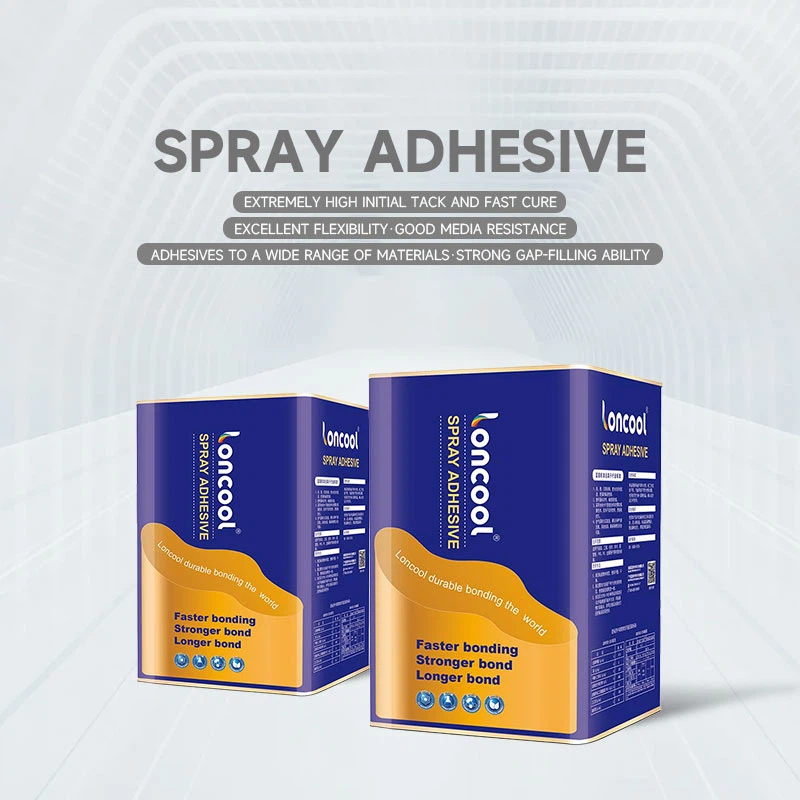
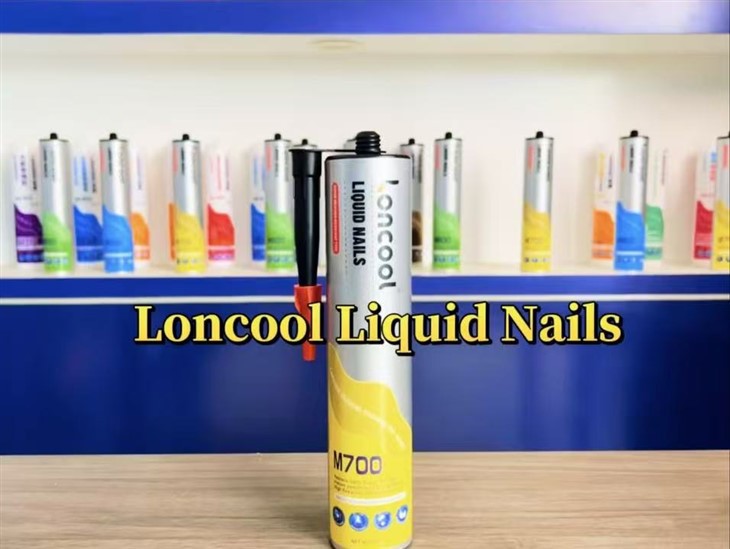
Liquid nails, a versatile adhesive product, has become an indispensable item in various industries and DIY projects. As a reputable liquid nails supplier, I am excited to share with you the diverse applications of liquid nails and how they can meet your specific needs.
1. Construction and Building Projects
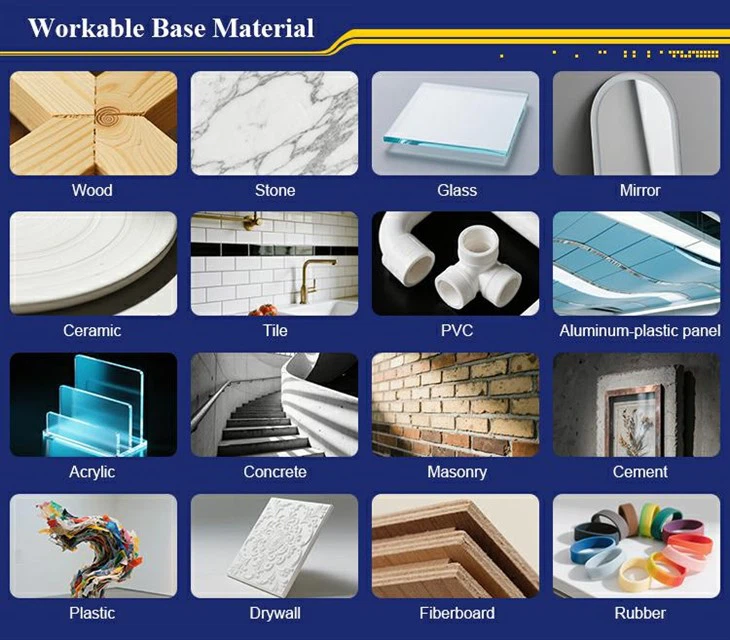
In the construction and building industry, liquid nails play a crucial role in a wide range of tasks. For instance, when installing baseboards, crown moldings, and door casings, liquid nails provide a strong and long - lasting bond. Unlike traditional nails, which can leave visible holes and may loosen over time, liquid nails create a seamless connection. They adhere well to different materials such as wood, plastic, and metal, ensuring that the moldings stay in place for years to come.
Moreover, in wall paneling installation, liquid nails are a game - changer. Whether you are using drywall panels or decorative wall tiles, liquid nails offer a quick and efficient way to attach them to the wall. The adhesive spreads evenly, filling any small gaps between the panel and the wall surface, resulting in a smooth and professional finish. You can find a suitable product for this purpose, such as Liquid Nails Heavy Duty, which is specifically formulated to handle heavy - weight materials and provide maximum holding power.
When it comes to flooring installation, liquid nails are also highly useful. For vinyl or laminate flooring, applying liquid nails can prevent the boards from shifting or squeaking. It creates a stable base, especially in areas where the sub - floor may not be perfectly flat. This not only enhances the durability of the flooring but also improves the overall aesthetic appearance.
2. Woodworking
Woodworkers often rely on liquid nails to join pieces of wood together. In cabinet making, for example, liquid nails can be used to assemble the frame and attach the doors and drawers. The adhesive provides a strong bond that can withstand the daily wear and tear of opening and closing cabinets. It also helps to eliminate the need for excessive clamping, making the assembly process faster and more efficient.
In furniture repair and restoration, liquid nails are a great solution for fixing loose joints. Instead of using nails or screws, which may further damage the wood, liquid nails can seep into the cracks and gaps, strengthening the connection. This is particularly important for antique furniture, where preserving the original structure is crucial.
3. DIY Home Improvement
For DIY enthusiasts, liquid nails are a must - have in their toolbox. When hanging mirrors, pictures, or shelves on the wall, liquid nails offer a secure alternative to nails or screws. They can be used on different wall surfaces, including drywall, plaster, and brick. The Nail Free Sealant is an excellent choice for these types of projects. It provides a clean and easy - to - use solution, leaving no unsightly holes in the wall.
In bathroom and kitchen renovations, liquid nails can be used to install fixtures such as towel racks, soap dispensers, and cabinet handles. The adhesive is resistant to moisture and temperature changes, ensuring that the fixtures stay firmly in place even in a humid environment.
4. Automotive and Marine Applications
In the automotive industry, liquid nails are used for various purposes. They can be used to attach interior trim pieces, such as door panels and dashboard components. The adhesive provides a vibration - resistant bond, which is essential for a smooth and quiet ride. It also helps to prevent rattling and loosening of the parts over time.
In the marine industry, liquid nails are used to seal and bond different components of boats. They are resistant to water, salt, and UV rays, making them suitable for use in harsh marine environments. For example, they can be used to attach decking, hull linings, and interior fittings.
5. Craft Projects
Liquid nails are also popular in the world of crafts. Whether you are making jewelry boxes, picture frames, or decorative items, liquid nails can be used to attach different materials such as beads, sequins, and fabric. It provides a strong and flexible bond, allowing you to create intricate designs with ease.
Advantages of Using Liquid Nails
One of the main advantages of liquid nails is their ease of use. They come in a convenient tube or cartridge, which can be easily applied using a caulking gun. This makes them accessible to both professionals and DIYers.
Another advantage is their strong bonding power. Liquid nails can bond a wide variety of materials, including those that are difficult to join with traditional methods. They can withstand heavy loads, vibrations, and environmental factors, ensuring a long - lasting connection.
In addition, liquid nails are often more aesthetically pleasing than nails or screws. They do not leave visible holes or marks, which is especially important in projects where the appearance is crucial.
Considerations When Using Liquid Nails
While liquid nails offer many benefits, there are some considerations to keep in mind. First, it is important to choose the right type of liquid nails for your specific project. Different products are designed for different materials and applications, so make sure to read the product label carefully.
Second, proper surface preparation is essential. The surfaces to be bonded should be clean, dry, and free of dust, grease, and oil. This will ensure that the adhesive can form a strong bond.
Third, allow sufficient time for the adhesive to cure. The curing time may vary depending on the product and environmental conditions. It is important to follow the manufacturer's instructions to achieve the best results.
Contact for Purchase and Collaboration
If you are interested in purchasing liquid nails for your projects, whether you are a professional contractor, a DIY enthusiast, or a business looking for a reliable adhesive solution, I invite you to contact me for more information. We offer a wide range of high - quality liquid nails products to meet your diverse needs. Our team is dedicated to providing excellent customer service and technical support. Let's start a conversation about how our liquid nails can enhance the quality and efficiency of your projects.
References
- "Adhesives in Construction: Principles and Practice" by John A. Milburn.
- "Woodworking Handbook: A Complete Guide to Tools, Techniques, and Projects" by Tom Begnal.
- Product manuals and technical data sheets from leading liquid nails manufacturers.