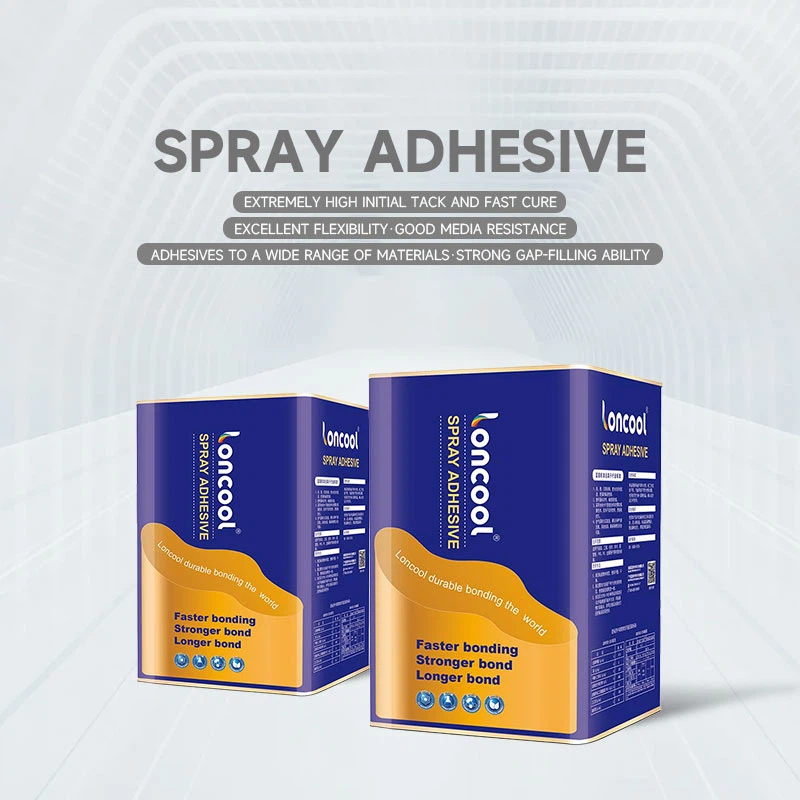
When it comes to bonding materials effectively, liquid nails are a go - to solution for many DIY enthusiasts and professional contractors alike. As a liquid nails supplier, I understand the importance of not only providing high - quality products but also ensuring that users are well - informed about safety precautions. Here are some key safety measures to consider when using liquid nails.
1. Read the Product Label Carefully
Before you even open the container of liquid nails, it is crucial to read the product label. Each type of liquid nails, such as Liquid Nails Heavy Duty, Liquid Nails Construction, and Nail Free Sealant, may have specific instructions and warnings. The label will provide information on proper application techniques, recommended substrates, and any potential hazards associated with the product.
For example, some liquid nails may be flammable, while others may emit strong fumes. The label will clearly state if the product is flammable and will give guidelines on storage and use to prevent fire hazards. It will also mention the appropriate ventilation requirements to ensure that you are not exposed to harmful vapors.
2. Wear Appropriate Personal Protective Equipment (PPE)
Wearing the right PPE is essential for your safety when using liquid nails.
Gloves
Always wear chemical - resistant gloves. Liquid nails can be sticky and may contain chemicals that can irritate or damage your skin. Nitrile or latex gloves are good options as they provide a barrier between your skin and the product. When applying liquid nails, there is a risk of getting the adhesive on your hands, and gloves will protect you from potential skin reactions.
Eye Protection
Safety glasses or goggles should be worn to protect your eyes. There is a possibility that some liquid nails may splash during application, especially if you are using a caulking gun or applying the product under pressure. A splash of liquid nails in the eyes can cause severe irritation and even damage, so eye protection is non - negotiable.


Respiratory Protection
In cases where the liquid nails emit strong fumes, a respirator is necessary. If you are working in a poorly ventilated area, or if the product label indicates high - level fume emissions, a respirator with appropriate filters will help you breathe in clean air and avoid inhaling harmful chemicals.
3. Ensure Adequate Ventilation
Proper ventilation is crucial when using liquid nails. Most liquid nails contain volatile organic compounds (VOCs) that can be harmful when inhaled in large quantities.
Indoor Use
When using liquid nails indoors, open windows and doors to allow fresh air to circulate. You can also use fans to improve air movement. If possible, work in a well - ventilated room or area. For example, if you are installing baseboards in a small room, open all the windows and place a fan near the window to draw out the fumes.
Outdoor Use
Even when working outdoors, make sure that the wind is blowing in a direction that carries the fumes away from you. Avoid working in enclosed outdoor spaces like small sheds without proper ventilation.
4. Avoid Skin and Eye Contact
As mentioned earlier, liquid nails can cause skin and eye irritation. In case of accidental contact:
Skin Contact
If liquid nails get on your skin, wash the affected area immediately with soap and water. Do not try to peel or scrape the adhesive off your skin as this may cause further damage. If the skin irritation persists, seek medical advice.
Eye Contact
If liquid nails splash into your eyes, flush your eyes with plenty of clean water for at least 15 minutes. Keep your eyes open during the flushing process. After flushing, seek immediate medical attention. Do not rub your eyes as this can spread the adhesive and cause more damage.
5. Use the Product in a Safe Environment
Fire Safety
Some liquid nails are flammable. Keep the product away from open flames, sparks, and heat sources. Do not smoke while using liquid nails. When storing liquid nails, make sure it is in a cool, dry place away from any potential fire hazards.
Surface Preparation
Ensure that the surfaces you are bonding are clean, dry, and free of dust, grease, and debris. A dirty surface can affect the bonding strength of the liquid nails and may also cause the product to behave unpredictably. Use a suitable cleaner to prepare the surfaces before application.
6. Store the Product Properly
Proper storage of liquid nails is essential for maintaining its quality and ensuring safety.
Temperature
Store liquid nails at the recommended temperature range. Extreme temperatures can affect the consistency and performance of the product. Most liquid nails should be stored at room temperature, typically between 50°F - 90°F (10°C - 32°C).
Sealing
After each use, make sure to seal the container tightly. This will prevent the product from drying out and also reduce the risk of fumes escaping into the storage area.
7. Dispose of the Product and Containers Correctly
Do not dispose of liquid nails or their containers in regular household waste. Follow local regulations for the disposal of hazardous materials. Many areas have specific collection points or recycling programs for adhesives and other chemicals.
If you have leftover liquid nails that you no longer need, check if there are any recycling options available. Some manufacturers may offer take - back programs for their products.
8. Be Cautious During Application
Application Tools
Use the appropriate application tools for liquid nails. A caulking gun is commonly used for applying liquid nails from tubes. Make sure the caulking gun is in good working condition and that you know how to use it properly. Do not over - squeeze the gun, as this can cause the liquid nails to splatter.
Quantity
Apply the right amount of liquid nails. Using too much can lead to a messy application and may also cause the product to ooze out from the joints. On the other hand, using too little may result in a weak bond. Follow the product instructions on the recommended bead size and application pattern.
In conclusion, using liquid nails can be a safe and effective way to bond various materials if you follow these safety precautions. As a liquid nails supplier, I am committed to providing you with high - quality products and the knowledge you need to use them safely. If you are interested in purchasing our liquid nails products or have any questions about our offerings, please feel free to reach out to us for a procurement discussion. We are here to assist you in finding the best liquid nails solution for your project.
References
- Manufacturer's product labels for Liquid Nails Heavy Duty, Liquid Nails Construction, and Nail Free Sealant.
- Occupational Safety and Health Administration (OSHA) guidelines on the use of adhesives and chemicals in the workplace.
- Environmental Protection Agency (EPA) information on the proper disposal of hazardous materials.