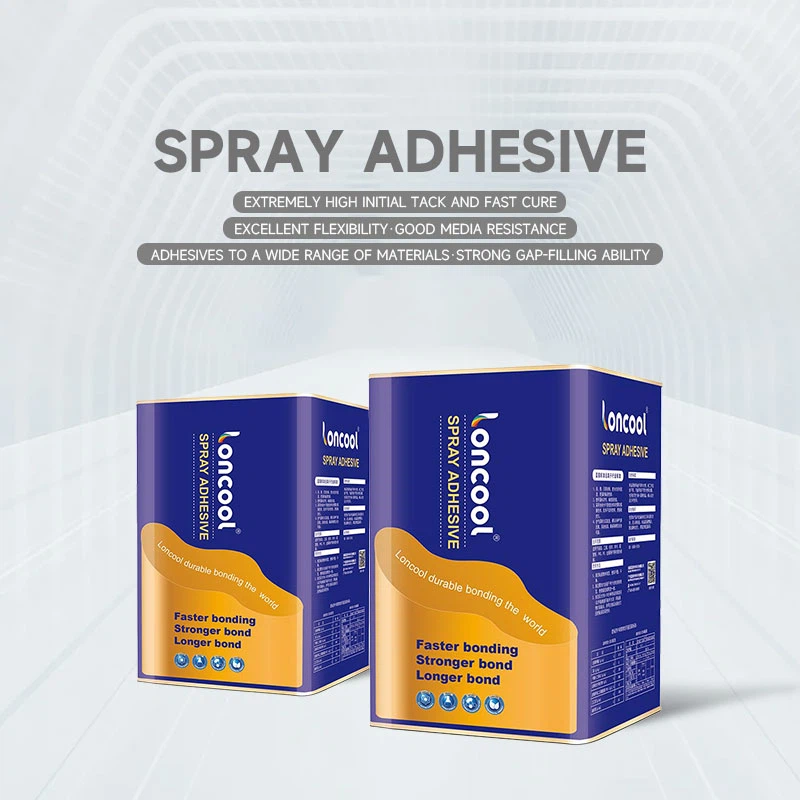
Is spray adhesive waterproof? This is a question that often comes up in various industries and DIY projects. As a spray adhesive supplier, I've dealt with numerous inquiries regarding the waterproof properties of our products. In this blog, I'll delve into the science behind waterproof spray adhesives, explain their applications, and discuss the factors that influence their waterproof performance.
Understanding Spray Adhesives
Spray adhesives are a type of adhesive that is dispensed in a mist form through a spray nozzle. They offer several advantages over traditional adhesives, such as ease of application, quick drying times, and the ability to cover large areas evenly. Depending on their formulation, spray adhesives can be used for a wide range of materials, including paper, fabric, plastic, wood, and metal.
Waterproof spray adhesives are specifically designed to resist water penetration, making them suitable for applications where moisture is a concern. These adhesives form a strong bond between two surfaces and create a barrier that prevents water from seeping through. However, not all spray adhesives are waterproof, and it's important to understand the differences between them to choose the right product for your needs.
How Waterproof Spray Adhesives Work
The waterproofing ability of a spray adhesive depends on its chemical composition and the way it interacts with the surfaces it bonds. Most waterproof spray adhesives contain polymers or resins that form a flexible, water - resistant film when they dry. These polymers create a physical barrier that prevents water molecules from passing through the bond line.
For example, some spray adhesives use silicone compounds. Silicone is known for its excellent water - repellency and flexibility. When sprayed, the silicone forms a thin, elastic layer that adheres to the surfaces and provides a long - lasting waterproof seal. You can find more information about spray silicone on our website: Spray Silicone.
Another type of waterproof spray adhesive uses polyurethane. Polyurethane adhesives are strong and durable, with good resistance to water, chemicals, and abrasion. They cure by reacting with moisture in the air, forming a tough, waterproof bond.
Applications of Waterproof Spray Adhesives
Waterproof spray adhesives have a wide range of applications in different industries:
Construction
In the construction industry, waterproof spray adhesives are used to seal joints and seams in roofing materials, such as asphalt shingles, EPDM rubber membranes, and metal roofs. They can also be used to bond insulation materials, preventing moisture from getting in and reducing energy loss. For example, when installing a flat roof, a waterproof spray adhesive can be used to attach the roofing membrane to the substrate, ensuring a watertight seal.
Marine
On boats and other watercraft, waterproof spray adhesives are essential for bonding various components, such as fiberglass panels, gaskets, and trim. They can withstand the harsh marine environment, including exposure to saltwater, UV rays, and extreme temperatures. For instance, a waterproof spray adhesive can be used to attach a nameplate to the hull of a boat without the risk of it coming loose due to water damage.
Automotive
In the automotive industry, waterproof spray adhesives are used for interior and exterior applications. They can be used to bond weatherstripping, headliners, and door panels, preventing water from entering the vehicle. Additionally, they can be used to repair or seal small cracks in the bodywork, protecting the metal from rust and corrosion.
DIY Projects
For DIY enthusiasts, waterproof spray adhesives are a great tool for projects around the house. They can be used to repair outdoor furniture, seal a leaky gutter, or attach a waterproof backing to a shower curtain.
Factors Affecting Waterproof Performance
While waterproof spray adhesives offer excellent water - resistance, several factors can affect their performance:
Surface Preparation
Proper surface preparation is crucial for achieving a strong and waterproof bond. Surfaces should be clean, dry, and free of dust, grease, and oil. Any contaminants on the surface can prevent the adhesive from bonding properly, allowing water to seep through. For example, if you're using a waterproof spray adhesive to bond two pieces of wood, you should sand the surfaces and wipe them down with a clean cloth before applying the adhesive.
Application Method
The way the adhesive is applied can also impact its waterproof performance. It's important to follow the manufacturer's instructions regarding the distance from the surface, the number of coats, and the drying time. Spraying the adhesive too close or too far from the surface, or applying an uneven coat, can result in a weak bond or gaps in the waterproof layer.


Temperature and Humidity
Temperature and humidity can affect the curing process of the adhesive. Most waterproof spray adhesives have a recommended temperature and humidity range for optimal performance. If the temperature is too low, the adhesive may take longer to dry or may not cure properly. High humidity can also affect the bonding process, especially for some types of adhesives that cure by reacting with moisture in the air.
Type of Material
The type of material being bonded can also influence the waterproof performance of the adhesive. Some materials, such as porous or absorbent materials, may require a different type of adhesive or additional surface treatment to ensure a waterproof bond. For example, when bonding a porous fabric, a waterproof spray adhesive may need to be applied in multiple coats to penetrate the fabric and create a strong seal.
Testing the Waterproofness of Spray Adhesives
As a spray adhesive supplier, we conduct rigorous testing to ensure the waterproof performance of our products. One of the common tests is the water immersion test. In this test, a sample of the bonded materials is immersed in water for a specified period of time, usually several days or weeks. After the immersion period, the bond is inspected for signs of water penetration, such as delamination or loss of adhesion.
Another test is the water spray test, where a fine mist of water is sprayed onto the bonded surface under controlled conditions. The surface is then observed for any signs of water seepage. These tests help us determine the effectiveness of our waterproof spray adhesives and ensure that they meet the quality standards of our customers.
Choosing the Right Waterproof Spray Adhesive
When choosing a waterproof spray adhesive, it's important to consider the following factors:
Type of Surfaces
Different adhesives are designed for different types of surfaces. Make sure to choose an adhesive that is compatible with the materials you are bonding. For example, if you're bonding metal to plastic, you'll need an adhesive that can create a strong bond between these two dissimilar materials.
Application Requirements
Consider the specific requirements of your application. If you need a quick - drying adhesive, look for products that offer fast - curing times. If you're working in a high - temperature environment, choose an adhesive that can withstand the heat.
Waterproof Rating
Check the product's waterproof rating to understand its level of water - resistance. Some products may be suitable for light moisture exposure, while others are designed for heavy - duty, long - term waterproofing.
Contact Us for Your Spray Adhesive Needs
If you're in the market for a high - quality waterproof spray adhesive, look no further. As a leading spray adhesive supplier, we offer a wide range of products to meet your specific needs. Our team of experts can provide you with technical advice and help you choose the right adhesive for your application.
Whether you're a professional contractor, a DIY enthusiast, or a business in need of bulk supplies, we're here to assist you. Contact us today to discuss your requirements and start a procurement negotiation. We're committed to providing you with the best products and services at competitive prices.
References
- ASTM International. (20XX). Standard test methods for evaluating the waterproofness of adhesives.
- Adhesive and Sealant Council. (20XX). Technical guide to waterproof adhesives.
- Manufacturer's product data sheets for waterproof spray adhesives.