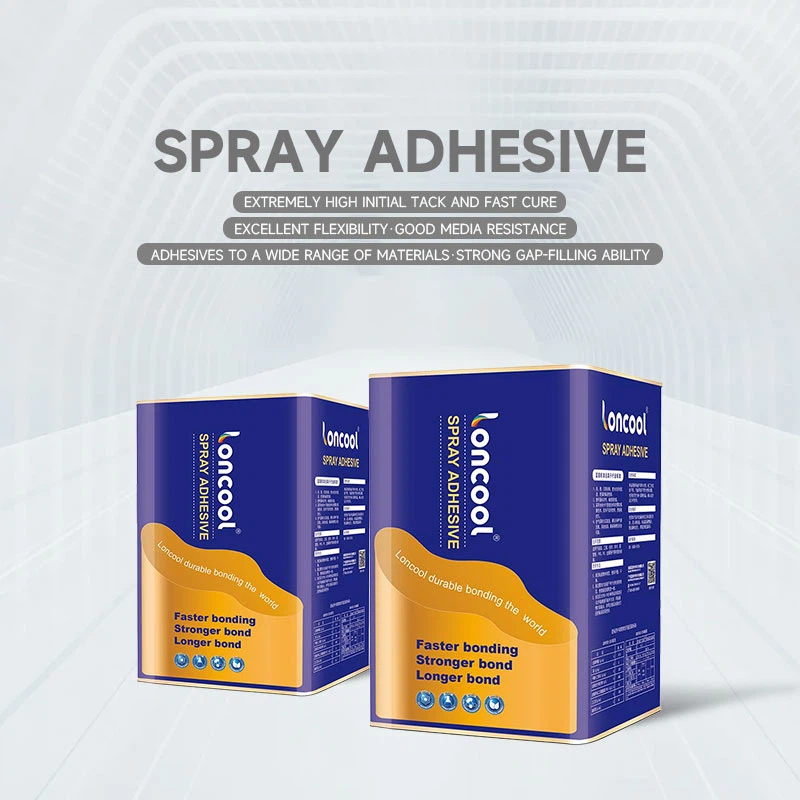
In the world of adhesives, spray adhesives have emerged as a versatile and efficient solution for a wide range of bonding applications. As a supplier of spray adhesives, I often encounter questions from customers about the suitability of spray adhesives for bonding lightweight materials. This blog post aims to explore this topic in depth, providing insights into the properties of spray adhesives and how they interact with lightweight materials.
Understanding Lightweight Materials
Lightweight materials are characterized by their low density, which makes them ideal for applications where weight is a critical factor. These materials include foams, plastics, fabrics, papers, and some types of wood. They are commonly used in industries such as automotive, aerospace, packaging, and furniture manufacturing. The unique properties of lightweight materials, such as flexibility, porosity, and low surface energy, pose specific challenges when it comes to bonding.
Properties of Spray Adhesives
Spray adhesives are designed to provide a quick and even distribution of adhesive over a large surface area. They come in various formulations, each tailored to specific bonding requirements. Some of the key properties of spray adhesives include:
- Fast Drying: Most spray adhesives dry quickly, allowing for rapid assembly and reduced production time.
- Strong Bonding: They can form strong bonds with a variety of materials, including lightweight ones.
- Even Application: The spray application ensures an even distribution of adhesive, which is crucial for achieving a uniform bond.
- Versatility: Spray adhesives can be used on different types of surfaces, including porous and non - porous materials.
Advantages of Using Spray Adhesives for Lightweight Materials
There are several advantages to using spray adhesives when bonding lightweight materials:


1. Quick Bonding
Lightweight materials often require a fast - acting adhesive to prevent shifting during assembly. Spray adhesives dry rapidly, which means that the bonded parts can be handled and moved shortly after application. This is particularly beneficial in high - volume production environments where time is of the essence.
2. Uniform Coverage
The spray application method ensures that the adhesive is evenly distributed across the surface of the lightweight material. This uniform coverage helps to create a consistent bond strength, reducing the risk of weak spots or delamination.
3. Minimal Distortion
Unlike some other bonding methods, spray adhesives typically apply a relatively thin layer of adhesive. This minimizes the amount of stress on the lightweight material, reducing the likelihood of distortion or warping. For example, when bonding thin plastic sheets or delicate fabrics, the low - stress application of spray adhesives is crucial.
4. Compatibility with Porous Materials
Many lightweight materials, such as foams and papers, are porous. Spray adhesives can penetrate into the pores of these materials, creating a mechanical bond in addition to the chemical bond. This enhances the overall bond strength and durability.
Challenges and Considerations
While spray adhesives offer many advantages for bonding lightweight materials, there are also some challenges and considerations to keep in mind:
1. Surface Preparation
Proper surface preparation is essential for achieving a strong bond. Lightweight materials may have a low surface energy, which can make it difficult for the adhesive to adhere. Cleaning the surface to remove any contaminants, such as dust, oil, or grease, is crucial. In some cases, surface treatments may be required to increase the surface energy and improve adhesion.
2. Overspray
Spray adhesives can produce overspray, which can be a problem if it lands on areas where it is not wanted. This can be particularly challenging when working with lightweight materials, as the overspray may be difficult to remove without damaging the material. Using masking techniques or applying the adhesive in a well - ventilated area can help to minimize overspray.
3. Chemical Compatibility
Not all spray adhesives are compatible with all lightweight materials. Some adhesives may react with certain plastics or foams, causing discoloration, degradation, or a weak bond. It is important to choose a spray adhesive that is specifically formulated for the type of lightweight material being bonded. For example, Spray Silicone is a type of spray adhesive that is often used for bonding silicone - based lightweight materials due to its excellent chemical compatibility.
4. Bond Strength Requirements
The bond strength required for a particular application will depend on the end - use of the bonded parts. Some lightweight materials may only require a temporary or light - duty bond, while others may need a more permanent and high - strength bond. It is important to select a spray adhesive that can meet the specific bond strength requirements of the application.
Applications of Spray Adhesives for Lightweight Materials
Spray adhesives are widely used in various industries for bonding lightweight materials:
1. Automotive Industry
In the automotive industry, spray adhesives are used to bond lightweight interior components such as headliners, door panels, and seat cushions. These components are typically made of foams, fabrics, and plastics, and spray adhesives provide a quick and reliable bonding solution.
2. Aerospace Industry
The aerospace industry requires lightweight materials to reduce fuel consumption and increase aircraft performance. Spray adhesives are used to bond composite materials, insulation foams, and interior panels. The fast - drying and high - strength properties of spray adhesives make them suitable for the demanding requirements of aerospace applications.
3. Packaging Industry
In the packaging industry, spray adhesives are used to bond lightweight materials such as paperboard, corrugated cardboard, and plastic films. They are used for applications such as box assembly, label attachment, and laminating. The quick - bonding and uniform coverage properties of spray adhesives help to improve the efficiency of the packaging process.
4. Furniture Manufacturing
In furniture manufacturing, spray adhesives are used to bond lightweight materials such as veneers, fabrics, and foams. They are used for applications such as upholstery, cabinet assembly, and decorative trim attachment. The ability of spray adhesives to provide a strong bond without causing distortion makes them a popular choice in the furniture industry.
Conclusion
Spray adhesives can be a suitable option for bonding lightweight materials, offering several advantages such as quick bonding, uniform coverage, minimal distortion, and compatibility with porous materials. However, it is important to consider the challenges and requirements of the specific application, including surface preparation, overspray, chemical compatibility, and bond strength. By selecting the right spray adhesive and following proper application techniques, it is possible to achieve strong and reliable bonds with lightweight materials.
If you are interested in learning more about our spray adhesives or have specific bonding requirements for lightweight materials, we encourage you to contact us for a detailed discussion. Our team of experts is ready to assist you in finding the best adhesive solution for your needs.
References
- "Handbook of Adhesive Technology" by Skeist, I.
- "Adhesives and Sealants Technology: Theory and Practice" by Harper, C. A.
- Industry research reports on spray adhesives and lightweight materials.