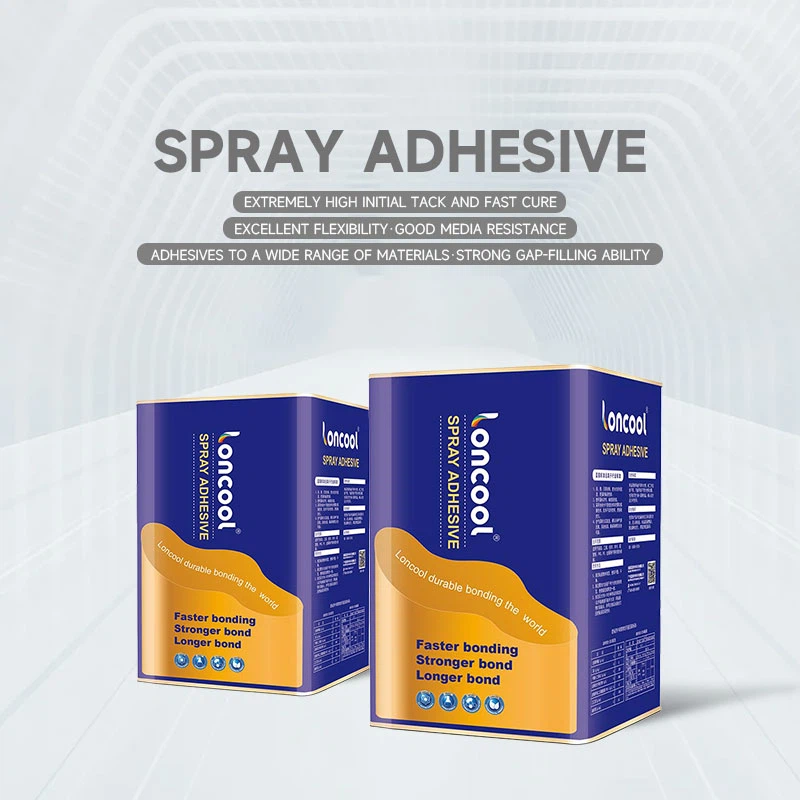
When it comes to construction and DIY projects, finding the right adhesives and sealants can significantly impact the outcome. As a professional in the field and a provider of high - quality construction materials, I'm often asked about the ease of use of different products. One product that has been gaining a lot of attention lately is the Nail Free Sealant. In this blog, I'll delve into whether this product is easy to control during application.
Understanding Nail Free Sealant
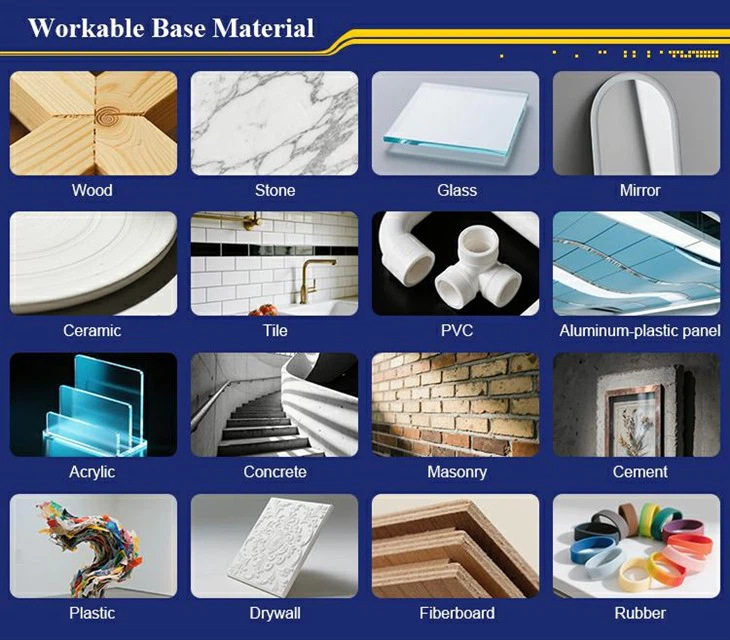
Before we focus on the controllability, let's first understand what Nail Free Sealant is. Nail Free Sealant is an innovative solution designed to bond materials together without the need for nails. This not only speeds up the construction process but also provides a clean finish, as there are no unsightly nail holes. It can be used on a wide range of surfaces, including wood, drywall, metal, and plastic. You can find more information about this product here: Nail Free Sealant.
Factors Affecting Controllability
There are several factors to consider when determining whether Nail Free Sealant is easy to control during application.
Viscosity
The viscosity of a sealant plays a crucial role in its controllability. Nail Free Sealant comes in a variety of viscosities to suit different applications. For instance, in a project where you need a more precise application, a higher - viscosity sealant might be preferred. This type of sealant is thicker and less likely to drip or spread uncontrollably. On the other hand, for larger - scale applications where speed is a priority, a lower - viscosity sealant can be used. Although it flows more easily, it requires a bit more skill to control to avoid over - application.
Application Tools
The tools you use to apply the Nail Free Sealant can greatly influence how easy it is to control. A high - quality caulking gun can provide a smooth and consistent flow of the sealant. When using a caulking gun, make sure to choose one that is compatible with the size of the sealant cartridge. A well - adjusted caulking gun allows you to regulate the amount of sealant being dispensed with relative ease. Additionally, some advanced caulking guns come with features like adjustable pressure settings, which further enhance controllability.
Surface Preparation
Proper surface preparation is essential for both the performance and controllability of the Nail Free Sealant. A clean, dry, and smooth surface allows the sealant to adhere better and makes it easier to apply in a controlled manner. If the surface is dirty, oily, or uneven, the sealant may not spread evenly, and it can be more challenging to control the application. For example, when applying the sealant on a wooden surface, sanding it lightly can create a better bonding surface and improve the overall controllability of the process.
Comparing with Other Sealants
To better understand the controllability of Nail Free Sealant, it's useful to compare it with other popular sealants in the market.
Liquid Nails Construction
Liquid Nails Construction is a well - known product in the construction adhesive industry. It is known for its strong bonding properties. However, when it comes to controllability, Nail Free Sealant has an edge in some aspects. Liquid Nails Construction is generally thicker and may require more force to dispense from the caulking gun. This can make it a bit more challenging to control for those who are new to using construction adhesives. In contrast, Nail Free Sealant offers a more balanced viscosity range, making it relatively easier to handle during application.

Liquid Nails Heavy Duty
Liquid Nails Heavy Duty is designed for heavy - load applications. While it provides excellent strength, its high - viscosity formula can be difficult to control, especially in detailed or precision work. Nail Free Sealant, with its ability to come in different viscosities, can be a better choice for projects that require more finesse and control.
Tips for Controlling Nail Free Sealant During Application
Here are some practical tips to help you control Nail Free Sealant during application:
- Practice on a Scrap Surface: Before starting your actual project, it's a good idea to practice applying the sealant on a scrap piece of the same material. This allows you to get a feel for the flow and consistency of the sealant and adjust your technique accordingly.
- Use a Guide: For straight and even lines, you can use a straightedge or a masking tape as a guide. This helps you apply the sealant in a more controlled and professional manner.
- Work in Small Sections: Instead of trying to apply a large amount of sealant at once, work in small sections. This gives you more time to control the application and make any necessary adjustments.
- Clean as You Go: If you notice any excess sealant, clean it up immediately using a damp cloth. This not only keeps your work area clean but also prevents the excess sealant from spreading and causing a mess.
Conclusion
In conclusion, Nail Free Sealant can be relatively easy to control during application, provided that you understand the factors that affect its controllability and follow the appropriate techniques. Its versatility in terms of viscosity, combined with the right application tools and proper surface preparation, makes it a great choice for both professional contractors and DIY enthusiasts.
If you're interested in learning more about Nail Free Sealant or are considering purchasing it for your next project, I encourage you to reach out to discuss your specific requirements. Our team of experts is always ready to provide you with detailed information and guidance to help you make the best decision for your construction needs.
References
- Construction Adhesives Handbook: A comprehensive guide on the properties and applications of various construction adhesives.
- DIY Construction Magazine: Articles and case studies on the use of different sealants in home improvement projects.