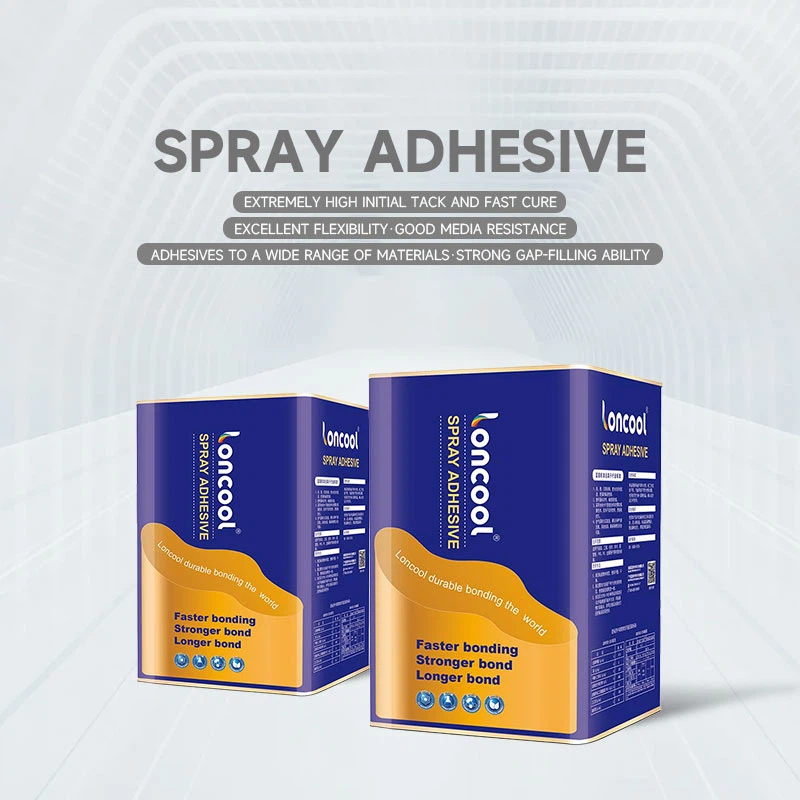
Hey there! As a supplier of liquid nails, I often get asked a bunch of questions about our products. One of the most common ones is, "Is liquid nails resistant to chemicals?" Well, let's dive into this topic and find out.
First off, let's understand what liquid nails are. Liquid nails are basically adhesives that are used for bonding various materials together. They're super handy in construction, woodworking, and even some DIY projects. You can use them to stick wood to wood, metal to wood, or even ceramic tiles in some cases.


Now, when it comes to chemical resistance, it's not a one - size - fits - all answer. Different types of liquid nails have different levels of resistance to chemicals. For example, our Liquid Nails Construction is designed for general construction purposes. It has a decent level of resistance to common household chemicals like mild detergents and water. This makes it great for indoor projects where it might come into contact with these substances.
If you're working on a project where you expect the liquid nails to be exposed to more harsh chemicals, then our Liquid Nails Heavy Duty is a better choice. This product is formulated to withstand a wider range of chemicals, including some solvents and oils. It's often used in industrial settings or for outdoor projects where the adhesive might be exposed to environmental chemicals.
But what exactly does chemical resistance mean? Well, it means that the liquid nails can maintain their bonding strength and physical properties even when in contact with chemicals. For instance, if you use liquid nails to bond two pieces of metal in a workshop where there are some oil spills, the adhesive should not break down or lose its grip.
Let's take a closer look at how we test the chemical resistance of our liquid nails. We conduct a series of laboratory tests where we expose samples of the adhesive to different chemicals for a set period of time. We then measure the changes in properties such as bonding strength, hardness, and flexibility. If the changes are within an acceptable range, we consider the product to be resistant to that particular chemical.
However, it's important to note that no liquid nails are completely immune to all chemicals. There are some extremely corrosive chemicals that can still damage the adhesive over time. For example, strong acids or alkalis can break down the chemical bonds in the liquid nails, causing it to lose its effectiveness.
Another factor to consider is the duration of exposure. Even a chemical - resistant liquid nails might start to show signs of degradation if it's exposed to a chemical for a very long time. So, if you know that your project will involve long - term exposure to chemicals, it's a good idea to take some extra precautions. You could use a protective coating over the bonded area to reduce the contact between the liquid nails and the chemicals.
Now, let's talk about our Nail Free Sealant. This product is a bit different from the traditional liquid nails. It's mainly used for sealing gaps and joints, and it also has some level of chemical resistance. It can resist moisture and some mild chemicals, making it suitable for use in bathrooms and kitchens.
In real - world applications, the chemical resistance of liquid nails can make a huge difference. For example, in a food processing plant, where there are strict hygiene standards and the equipment might be cleaned with strong detergents, using a chemical - resistant liquid nails ensures that the bonded parts stay in place and don't contaminate the food.
If you're in the middle of a project and you're not sure which liquid nails to choose based on chemical resistance, here are some tips. First, identify the chemicals that the adhesive will be exposed to. If it's just water and mild cleaning agents, the standard construction liquid nails should be fine. But if you're dealing with solvents, oils, or other harsh chemicals, go for the heavy - duty version.
Also, consider the environment where the project will take place. If it's an outdoor project, the adhesive will be exposed to environmental chemicals like rainwater, which might contain some dissolved pollutants. In this case, a more chemically resistant product is recommended.
In conclusion, liquid nails can be resistant to chemicals, but the level of resistance depends on the type of product and the specific chemicals involved. Our range of liquid nails, including the Liquid Nails Construction, Liquid Nails Heavy Duty, and Nail Free Sealant, are designed to meet different chemical - resistance needs.
If you're interested in purchasing our liquid nails for your project, whether it's a small DIY job or a large - scale construction project, I'd love to have a chat with you. We can discuss your specific requirements and help you choose the right product. Just reach out to start the procurement process and let's get your project off to a great start!
References
- ASTM International standards for adhesive testing
- Industry research on chemical - resistant adhesives