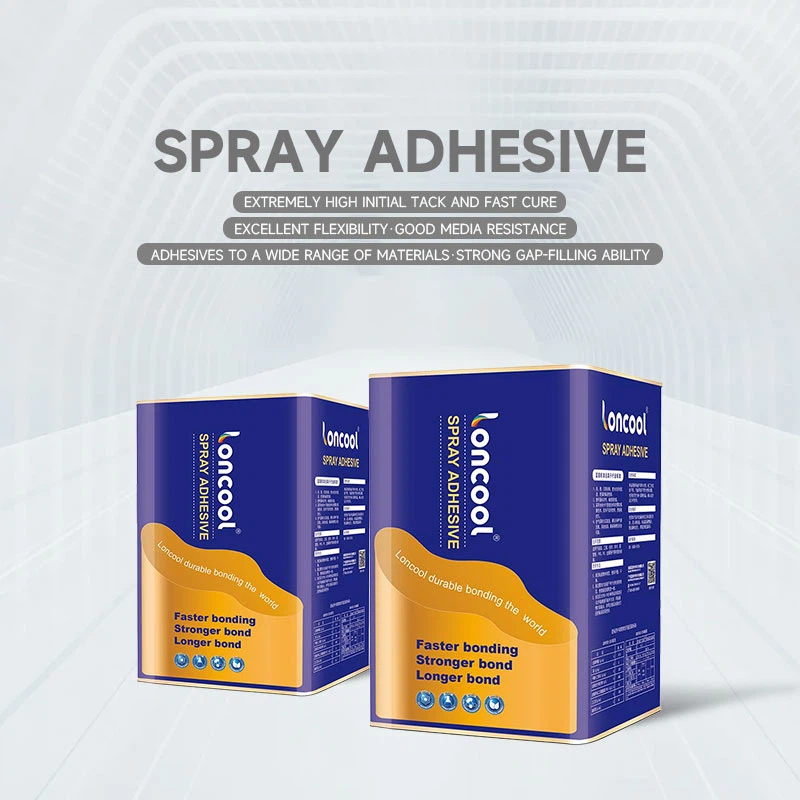
Spray silicone is a versatile product that has found its way into numerous industries and home applications, offering lubrication, protection, and anti - sticking properties. As a Spray Silicone supplier, I am often asked about the frequency of application. Determining how often to apply spray silicone depends on various factors, including the application, environmental conditions, and the type of surface being treated.
1. Understanding Application Scenarios
Industrial Applications
In industrial settings, spray silicone is commonly used for machinery lubrication. For example, in manufacturing plants with conveyor belts, it can prevent friction and wear on the moving parts. The frequency of application in such cases is often dictated by the operating hours of the machinery. If a conveyor belt system runs continuously for 24 hours a day, 7 days a week, a weekly application of spray silicone may be necessary. This regular application helps maintain a smooth operation and extends the lifespan of the equipment. On the other hand, if the machinery operates only during specific shifts or intermittently, a bi - weekly or monthly application might suffice.
In the automotive industry, spray silicone is used for various components such as door seals, window tracks, and wiper blades. For door seals, applying spray silicone every six months can keep them supple, preventing them from drying out and cracking. This also helps in maintaining a proper seal, reducing noise and preventing water leakage into the vehicle interior. Window tracks, which experience more frequent movement, may require a quarterly application to ensure smooth window operation.
Home Applications
Around the house, spray silicone has a wide range of uses. For sliding doors and windows, an application every three months is usually sufficient. This keeps the tracks clean and lubricated, making it easier to open and close them. In the kitchen, spray silicone can be used on the hinges of cabinet doors. These hinges are used multiple times a day, so a semi - annual application helps keep them quiet and functioning smoothly.
Garage doors are another area where spray silicone is beneficial. These large doors are subjected to significant stress and friction. Applying spray silicone to the tracks, rollers, and hinges twice a year can prevent rust, reduce wear, and make the door operate more quietly.
2. Impact of Environmental Conditions
Humid Environments
In humid environments, such as coastal areas or basements, the frequency of spray silicone application may need to be increased. Moisture can cause corrosion and degradation of surfaces, especially metal ones. For metal tools stored in a humid basement, applying spray silicone every two months can provide a protective barrier against rust and oxidation. In a coastal industrial facility, where equipment is exposed to salt - laden air, more frequent applications, perhaps every month, may be required to prevent corrosion on machinery and structural components.
Dry and Dusty Environments
In dry and dusty areas, the dust can quickly wear away the protective layer of spray silicone. For example, in a construction site or a desert - like environment, equipment and vehicles may need more frequent silicone applications. Earthmoving equipment operating in a desert region may require a weekly spraying of silicone on its moving parts to prevent dust from causing excessive friction and wear.
3. Consideration of Surface Types
Metal Surfaces
Metal surfaces are prone to rust and corrosion. When applying spray silicone to metal, it forms a protective film that acts as a barrier against moisture and oxygen. For outdoor metal furniture, an application every three months during the humid season can prevent rusting. For metal tools that are frequently used, a monthly application helps maintain their functionality and appearance.
Rubber and Plastic Surfaces
Spray silicone can be used to keep rubber and plastic surfaces in good condition. It prevents rubber from drying out and cracking and can enhance the flexibility of plastic. For rubber gaskets in plumbing fixtures, applying spray silicone annually can help maintain their sealing properties. In plastic components of electronic devices, a semi - annual application can prevent them from becoming brittle over time.


4. Cost - Benefit Analysis
Applying spray silicone too frequently can lead to unnecessary costs. On the other hand, infrequent application may result in equipment breakdowns or premature wear, which can be even more expensive in the long run. For a small - scale business, the cost of spray silicone is a consideration. By analyzing the operating conditions and the expected lifespan of the equipment, a cost - effective application schedule can be determined. For example, if a piece of equipment has a high replacement cost, it may be more cost - effective to apply spray silicone more frequently to extend its lifespan.
5. Quality of Spray Silicone
The quality of the spray silicone also plays a role in determining the application frequency. High - quality spray silicone products often have better adhesion and longer - lasting effects. As a Spray Silicone supplier, I recommend using premium products that offer better protection and require less frequent re - application. Our Spray Silicone is formulated to provide long - lasting performance, reducing the need for frequent applications in many cases.
6. Testing and Monitoring
To determine the optimal application frequency, it is advisable to conduct regular testing and monitoring. In an industrial setting, this can involve inspecting the equipment for signs of wear, such as increased friction or noise. For home applications, checking the functionality of doors, windows, and other treated items can provide clues. If a sliding door starts to stick, it may be a sign that it is time to re - apply the spray silicone.
Conclusion and Call to Action
Determining how often to apply spray silicone is not a one - size - fits - all answer. It requires careful consideration of the application, environmental conditions, surface type, cost - benefit analysis, and the quality of the product. As a reliable Spray Silicone supplier, we are here to help you find the most suitable application frequency for your specific needs. Whether you are an industrial manufacturer or a homeowner, our high - quality Spray Silicone can provide the protection and lubrication you need. If you have any questions about our products or need advice on application frequency, please feel free to contact us. We are ready to assist you in making the best decisions for your spray silicone requirements.
References
- "Industrial Lubrication Handbook" by Klaus Michael R.
- "Home Maintenance Guide: Using Silicone Products" by DIY Home Experts