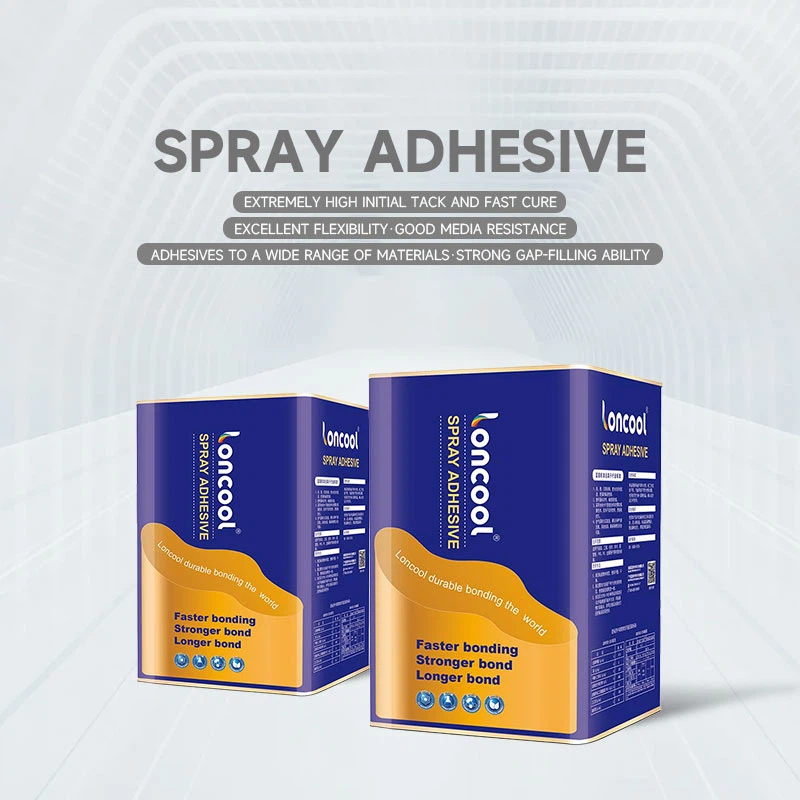
Hey there! As a supplier of liquid nails, I often get asked this burning question: "How much weight can liquid nails hold?" Well, let's dive right into it and break it down.
First off, it's important to understand that the weight - holding capacity of liquid nails isn't a one - size - fits - all answer. There are several factors that come into play.
Factors Affecting the Weight - Holding Capacity
Type of Liquid Nails
There are different types of liquid nails available in the market, each designed for specific applications. For instance, Liquid Nails Construction is formulated for heavy - duty construction projects. It's engineered to bond a wide range of materials like wood, concrete, and metal. This type of liquid nails generally has a higher weight - holding capacity compared to more general - purpose ones. On the other hand, Nail Free Sealant is more about creating a seal and may not be as strong when it comes to holding extremely heavy weights. It's great for smaller, lighter items where a seal is also important, like attaching small trim pieces. And then there's No More Nails, which is a popular choice for DIYers. It can hold a decent amount of weight but might not be as robust as the heavy - duty construction varieties.
Surface Material
The material of the surfaces being bonded is a huge factor. If you're using liquid nails to bond two pieces of smooth, non - porous material like glass, the bond might not be as strong as when bonding porous materials like wood. Porous materials allow the liquid nails to seep in a bit, creating a stronger mechanical bond. For example, if you're hanging a heavy mirror on a wooden wall using liquid nails, the wood provides a better surface for the adhesive to grip compared to a shiny, plastic - covered wall.
Surface Preparation
Proper surface preparation is key. If the surfaces are dirty, greasy, or covered in dust, the liquid nails won't be able to form a strong bond. You need to clean the surfaces thoroughly before applying the liquid nails. Sanding rough surfaces can also help increase the contact area between the adhesive and the material, enhancing the bond strength. For example, if you're attaching a wooden shelf to a concrete wall, you should first clean the wall of any debris and then lightly sand it to create a better surface for the liquid nails to adhere to.
Application Method
How you apply the liquid nails matters too. You need to apply the right amount of adhesive. If you apply too little, the bond won't be strong enough to hold much weight. On the other hand, applying too much can lead to a messy application and might not necessarily increase the bond strength. It's also important to spread the liquid nails evenly across the surface. For instance, when attaching a large piece of plywood to a frame, you should apply a continuous bead of liquid nails along the edges and in a grid pattern on the inside to ensure a strong, even bond.
Testing the Weight - Holding Capacity
In a laboratory setting, manufacturers test the weight - holding capacity of liquid nails by creating standardized test specimens. They bond two pieces of a specific material together using the liquid nails and then gradually apply a pulling or hanging force until the bond fails. These tests are conducted under controlled conditions, such as specific temperatures and humidity levels.
However, in real - world scenarios, things can be a bit different. The environment can affect the performance of the liquid nails. For example, extreme temperatures can make the adhesive more brittle or soft, reducing its weight - holding capacity. High humidity can also impact the curing process of the liquid nails, potentially weakening the bond.
Typical Weight - Holding Ranges
For light - duty liquid nails, like those used for small DIY projects, they can typically hold anywhere from a few pounds to around 20 - 30 pounds. This is suitable for attaching small picture frames, lightweight wall decor, or small plastic components.
Medium - duty liquid nails, such as the ones often used for general household repairs and some light construction, can hold between 30 - 100 pounds. This could be used for attaching wooden shelves, small cabinets, or some metal fixtures.
Heavy - duty liquid nails, like Liquid Nails Construction, are designed to hold much heavier weights. They can hold upwards of 100 pounds, and in some cases, even several hundred pounds. This makes them ideal for large construction projects, such as attaching large wooden beams or heavy metal brackets.
Safety Margins
It's always a good idea to have a safety margin when using liquid nails to hold weight. Even if a particular type of liquid nails is rated to hold a certain weight, it's wise to not push it to its limit. For example, if you have a heavy - duty liquid nails that's rated to hold 200 pounds, it's better to use it for items that weigh no more than 150 pounds. This gives you some leeway in case of any unforeseen factors, like vibrations, temperature changes, or minor surface imperfections.


Real - Life Examples
Let's say you're building a wooden deck. You can use heavy - duty liquid nails to attach the deck boards to the joists. The weight - holding capacity of the liquid nails helps keep the boards in place, especially when people are walking on the deck. Another example is in a kitchen renovation. You can use liquid nails to attach the backsplash tiles to the wall. The liquid nails need to hold the weight of the tiles, and also withstand the moisture and temperature changes in the kitchen environment.
Conclusion
So, as you can see, the weight - holding capacity of liquid nails depends on a variety of factors. It's not a simple number that can be given across the board. But by understanding the type of liquid nails, surface materials, surface preparation, application method, and environmental factors, you can make an informed decision about which liquid nails to use for your project and how much weight it can safely hold.
If you're in the market for high - quality liquid nails for your next project, whether it's a small DIY job or a large construction project, I'd love to have a chat with you. We offer a wide range of liquid nails products that are designed to meet different weight - holding requirements. Reach out to me to discuss your needs and we can find the perfect liquid nails solution for you.
References
- "Adhesive Bonding Technology" - A textbook on the science of adhesives and bonding.
- Manufacturer's technical data sheets for various liquid nails products.