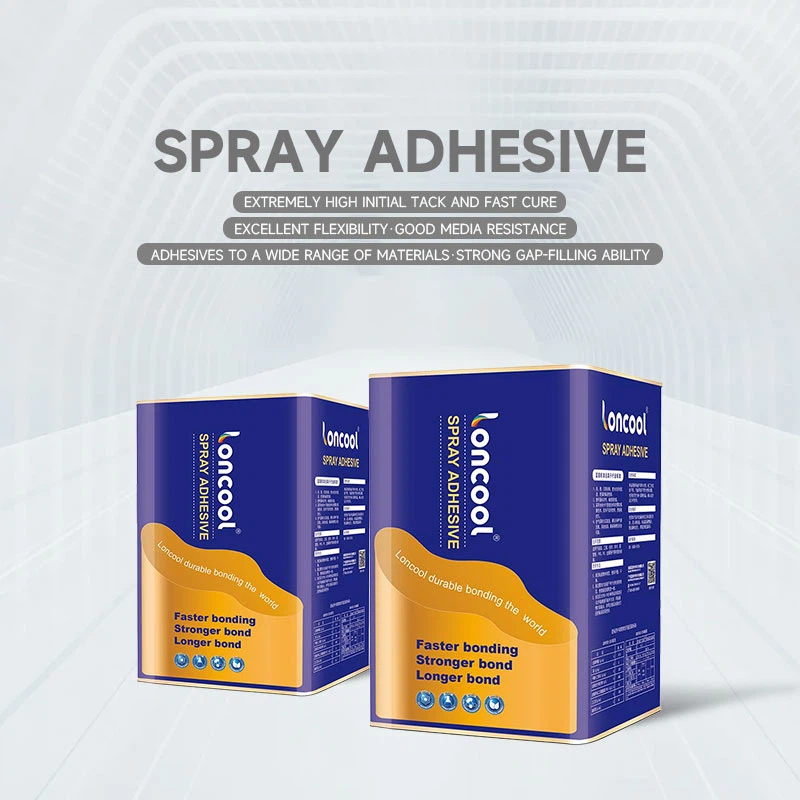
Silicone-based products have long been valued in various industries for their unique properties, such as high lubricity, excellent water resistance, and wide temperature tolerance. Among these products, spray silicone and silicone grease are two commonly used forms, each with its own characteristics and applications. As a Spray Silicone Spray Silicone supplier, I often encounter customers who are confused about which product to choose. In this blog, I will compare spray silicone and silicone grease to help you make an informed decision.
Composition and Physical Form
Spray silicone is essentially silicone oil suspended in a propellant - based solution. When sprayed, the propellant evaporates quickly, leaving a thin layer of silicone on the surface. This thin layer is usually very uniform and can cover large and complex - shaped areas easily. The silicone oil in spray silicone can be of different viscosities, which affects its performance.
On the other hand, silicone grease is a thick, semi - solid substance. It is made by thickening silicone oil with a thickening agent, such as silica gel. The thick consistency of silicone grease allows it to stay in place on vertical or irregular surfaces without dripping or running off easily.
Lubrication Performance
One of the primary functions of both spray silicone and silicone grease is lubrication. Spray silicone provides a low - friction surface that reduces wear and tear between moving parts. It is excellent for lubricating mechanisms where a light and even coating is required, such as door hinges, window tracks, and sliding mechanisms. Since it forms a thin film, it doesn't add much bulk to the parts, which is crucial in applications where space is limited.
Silicone grease, however, offers a more long - lasting lubrication effect. Its thick consistency means it can withstand higher loads and pressures. For example, in automotive applications like ball joints and CV joints, silicone grease is often the preferred choice because it can stay in place under high - stress conditions and provide continuous lubrication over an extended period.
Water Resistance
Both spray silicone and silicone grease are highly water - resistant. Spray silicone can be used to protect metal surfaces from rust and corrosion by creating a hydrophobic barrier. It is commonly used on outdoor equipment, such as garden tools and patio furniture, to prevent water damage. When sprayed on porous materials like fabric or leather, it can also make them water - repellent.
Silicone grease, with its thick and sticky nature, forms an even more effective water - resistant seal. It is often used in marine applications, such as sealing boat hatches and underwater equipment. The grease fills in the gaps and crevices, preventing water from seeping through and protecting the components from moisture - related damage.
Application Methods
The application of spray silicone is extremely convenient. With a simple press of a button, you can cover a large area quickly. It is suitable for hard - to - reach areas and can be used to lubricate or protect parts without disassembling them. However, it requires proper ventilation during use because of the propellant.
Applying silicone grease usually requires a tool, such as a grease gun or a spatula. It is more time - consuming, especially when applying it to large areas. But it allows for more precise application, and you can control the amount of grease used more accurately.
Temperature Resistance
Both products have good temperature resistance, but there are some differences. Spray silicone generally has a wider temperature range in which it remains effective. It can withstand extreme cold and heat, making it suitable for applications in different climates. For example, it can be used in aerospace applications where components are exposed to very low temperatures during flight and high temperatures during re - entry.
Silicone grease also has good temperature stability, but its performance may be affected at extremely high or low temperatures. At very low temperatures, it may become too thick and lose some of its lubricating properties, while at very high temperatures, it may start to thin out and run off.


Cleanliness and Residue
Spray silicone leaves a relatively clean and dry surface after the propellant evaporates. There is usually little to no visible residue, which is beneficial in applications where a clean appearance is required, such as in electronics or household appliances.
Silicone grease, on the other hand, can leave a visible and sticky residue. While this is not a problem in some industrial applications, it may be undesirable in others, such as in precision instruments or areas where dirt and dust can easily accumulate on the grease.
Cost - effectiveness
In terms of cost - effectiveness, spray silicone is often more economical for small - scale or occasional use. It is sold in cans of different sizes, and you can use only the amount you need. The ease of application also reduces labor costs.
Silicone grease may be more cost - effective in the long run for high - load and long - term applications. Although the initial cost may be higher, its long - lasting lubrication and protection properties mean that you don't need to re - apply it as frequently.
Choosing the Right Product
The choice between spray silicone and silicone grease depends on your specific needs. If you need a quick and easy way to lubricate or protect a large area, especially in hard - to - reach places, spray silicone is the better option. It is also suitable for applications where a thin and clean film is required.
If you are dealing with high - load applications, long - term lubrication, or need a strong water - resistant seal, silicone grease is the way to go. It is ideal for heavy - duty machinery and components that are subject to high stress.
Conclusion
In conclusion, both spray silicone and silicone grease have their own advantages and disadvantages. As a Spray Silicone supplier, I understand that different customers have different requirements. Whether you need a product for light - duty lubrication, water - proofing, or high - stress applications, we can provide you with the right solution.
If you are interested in our Spray Silicone products or have any questions about which product is best for your specific needs, please feel free to contact us. We are more than happy to assist you in making the right choice and look forward to discussing your procurement needs with you.
References
- "Silicone Lubricants: Properties and Applications" - Industrial Lubrication Handbook
- "Comparison of Silicone - based Products in Different Environments" - Journal of Materials Science and Technology