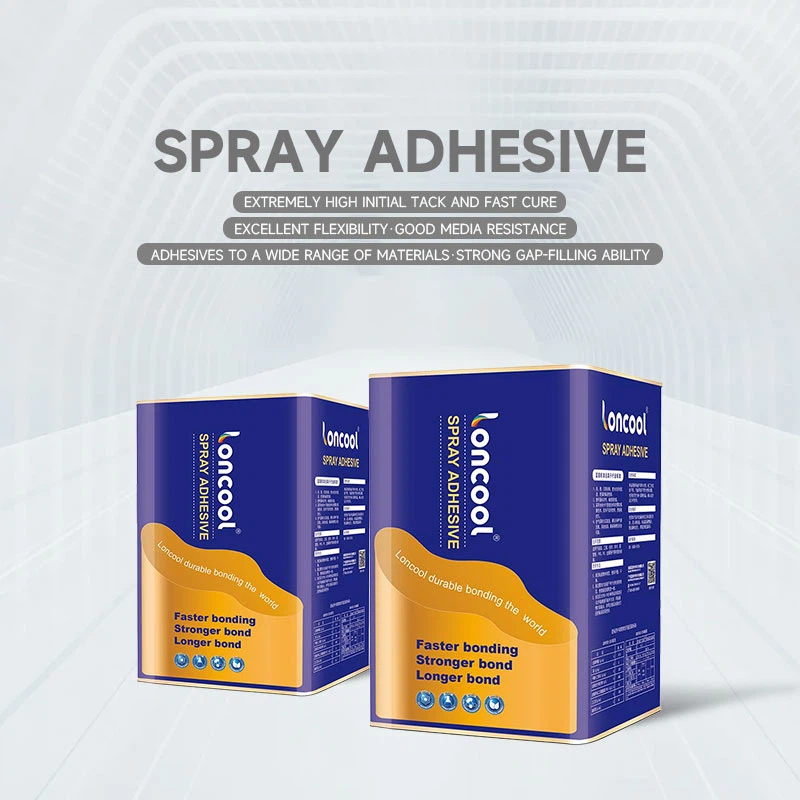
Yo, folks! I'm a supplier of spray adhesive, and I get a ton of questions about how spray adhesive stacks up against double - sided tape. So, I thought I'd break it down in this blog and share the nitty - gritty details.
Application Ease
Let's start with how easy they are to use. Double - sided tape is super straightforward. You just peel off one side, stick it to whatever surface you want, then peel off the other side and attach the second surface. It's like a no - brainer for small projects. You don't have to worry about spills or messes. For example, if you're just hanging a few pictures on your wall, double - sided tape is a quick and easy solution.
But, spray adhesive offers a whole different level of convenience, especially for larger areas. With a simple press of the nozzle, you can cover a wide surface evenly. There's no need to measure out long strips like you would with double - sided tape. If you're working on a craft project that involves gluing a large piece of fabric to a board, spray adhesive can save you a ton of time. You can cover the entire board in seconds and then lay the fabric on top. And the best part? You can adjust the position of the fabric a bit before it fully sets. Check out Spray Silicone for another great option in our spray product line.
Bond Strength
When it comes to bond strength, both have their pros and cons. Double - sided tape creates a pretty strong bond, but it has its limits. The bond strength depends on the quality of the tape and the surfaces it's sticking to. Some low - quality double - sided tapes might not hold up well under heavy loads or in high - humidity environments. For instance, if you try to use a cheap double - sided tape to attach a heavy sign, it's likely to come loose over time.
On the other hand, spray adhesive can provide an extremely strong bond. It can seep into the pores of the materials, creating a more intimate connection. Industrial - grade spray adhesives are often used in manufacturing to bond materials like plastics, metals, and wood. For example, in the automotive industry, spray adhesive is used to attach interior components because it can withstand vibrations and temperature changes. However, keep in mind that the bond strength of spray adhesive also depends on how well you apply it. If you don't apply an even coat, you might get weak spots.
Versatility
Double - sided tape is great for certain materials. It works well on smooth, flat surfaces like glass, metal, and plastic. But it can be a pain to use on rough or porous surfaces. For example, if you're trying to stick something to a piece of textured wood, the tape might not adhere properly because the texture prevents a full contact between the tape and the surface.
Spray adhesive, though, is much more versatile. It can be used on a wide range of materials, including porous ones like fabric, paper, and foam. You can use it for arts and crafts projects, home repairs, and even in industrial settings. Whether you're making a collage for a school project or doing some DIY furniture repairs, spray adhesive can get the job done.
Cleanup and Residue
Cleaning up after using double - sided tape is usually a breeze. If you need to remove it, you can just peel it off, and in most cases, there won't be much residue left behind. However, some strong - hold tapes might leave a sticky residue, especially if they've been on the surface for a long time. Removing this residue can be a hassle, and you might need to use some kind of adhesive remover.
Spray adhesive cleanup can be a bit more tricky. If you accidentally get it on your hands or other surfaces, it can be tough to remove. But if you use it carefully, there's less chance of making a mess. And once it dries, it doesn't usually leave a sticky residue on the bonded materials. Just make sure to use it in a well - ventilated area to avoid inhaling the fumes.
Cost
Cost is always a factor when choosing between products. Double - sided tape comes in a wide range of prices, from very affordable to quite expensive, depending on the brand and the quality. For small projects, a roll of basic double - sided tape won't cost you much.
Spray adhesive also has a price range. The cost can vary depending on the size of the can, the brand, and the type of adhesive. In general, for large - scale projects, spray adhesive can be more cost - effective because you can cover a larger area with one can. But for small, occasional projects, double - sided tape might be the more budget - friendly option.


Long - Term Durability
In the long run, the durability of both products depends on the environment and the materials they're bonding. Double - sided tape can start to lose its stickiness over time, especially if exposed to heat, moisture, or sunlight. This can cause the bond to weaken, and the materials might come apart.
Spray adhesive, when applied correctly, can offer long - term durability. It can resist environmental factors better than some double - sided tapes. For example, if you use spray adhesive to bond outdoor signs, it's more likely to withstand the elements compared to double - sided tape.
Health and Safety
Double - sided tape is generally considered safe. There are no fumes or chemicals to worry about, which makes it a great choice for home use, especially around kids and pets.
Spray adhesive, however, requires some safety precautions. The fumes can be harmful if inhaled in large amounts, so it's important to use it in a well - ventilated area. You should also wear gloves and eye protection to avoid getting the adhesive on your skin or in your eyes.
In conclusion, both spray adhesive and double - sided tape have their own unique advantages and disadvantages. If you're working on a small, simple project with smooth surfaces, double - sided tape might be your best bet. But if you're dealing with large areas, porous materials, or need a strong, long - lasting bond, spray adhesive is the way to go.
If you're interested in trying out our high - quality spray adhesive for your next project, I'd love to talk to you. Whether you're an artist, a DIY enthusiast, or an industrial manufacturer, we've got the right spray adhesive for you. Reach out to start a conversation about how our products can meet your needs.
References
- Basic knowledge on adhesive materials from industry experience
- Research on product performance and user feedback from various market studies