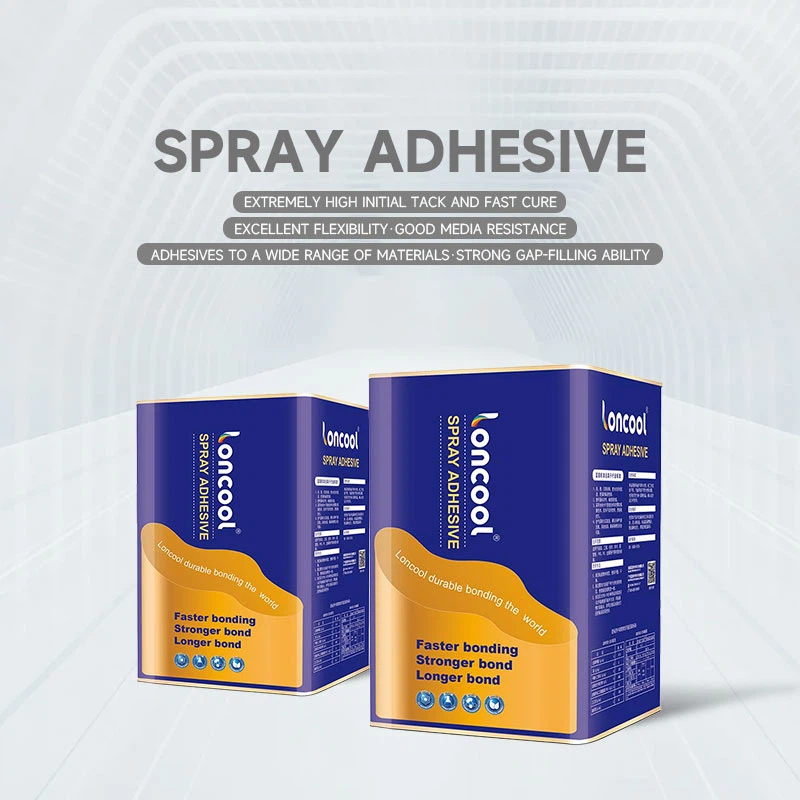
When it comes to construction and DIY projects, finding a reliable adhesive is crucial. Liquid nails have emerged as a popular choice for bonding various materials, offering a strong and durable alternative to traditional fastening methods. As a liquid nails supplier, I've witnessed firsthand the performance of these adhesives over time. In this blog post, I'll explore how liquid nails hold up over time, considering factors such as durability, strength, and resistance to environmental conditions.
Understanding Liquid Nails
Liquid nails are a type of construction adhesive designed to bond a wide range of materials, including wood, metal, concrete, and plastic. They come in various formulations, each tailored to specific applications and materials. Some common types of liquid nails include Liquid Nails Construction, No More Nails, and Liquid Nails Heavy Duty.
These adhesives work by creating a strong chemical bond between the surfaces being joined. When applied, the liquid nails penetrate the pores of the materials, forming a tight seal that resists pulling and shearing forces. This bond is typically stronger than traditional nails or screws, making liquid nails an ideal choice for applications where a secure and long-lasting bond is required.
Factors Affecting the Longevity of Liquid Nails
Several factors can influence how well liquid nails hold up over time. Understanding these factors can help you choose the right adhesive for your project and ensure its long-term performance.
1. Material Compatibility
One of the most important factors in the longevity of liquid nails is the compatibility between the adhesive and the materials being bonded. Different formulations of liquid nails are designed to work with specific materials, so it's essential to choose an adhesive that is compatible with the surfaces you're joining. For example, if you're bonding wood to metal, you'll need an adhesive that is specifically formulated for use with both materials. Using an incompatible adhesive can result in a weak bond that may fail over time.
2. Surface Preparation
Proper surface preparation is crucial for ensuring a strong and long-lasting bond with liquid nails. Before applying the adhesive, the surfaces should be clean, dry, and free of dirt, grease, and other contaminants. Any loose or flaking paint, rust, or debris should be removed, and the surfaces should be sanded or roughened to provide better adhesion. Failure to prepare the surfaces properly can prevent the adhesive from bonding effectively, leading to a weak or unreliable bond.
3. Application Method
The way in which liquid nails are applied can also affect their longevity. It's important to follow the manufacturer's instructions carefully when applying the adhesive, including the recommended application temperature, thickness, and drying time. Applying too much or too little adhesive can result in a weak bond, and not allowing the adhesive to dry completely before subjecting it to stress can cause it to fail prematurely.
4. Environmental Conditions
The environmental conditions in which the bonded materials are exposed can have a significant impact on the longevity of liquid nails. Extreme temperatures, humidity, and exposure to sunlight can all affect the performance of the adhesive over time. For example, high temperatures can cause the adhesive to soften and lose its strength, while low temperatures can make it brittle and prone to cracking. Additionally, exposure to moisture can cause the adhesive to deteriorate, leading to a loss of bond strength.
Long-Term Performance of Liquid Nails
When used correctly and under the right conditions, liquid nails can provide a strong and durable bond that lasts for many years. In fact, many liquid nails are designed to withstand the test of time, offering long-term performance in a variety of applications.
1. Durability
Liquid nails are known for their durability, making them a popular choice for both indoor and outdoor applications. They can withstand a wide range of environmental conditions, including extreme temperatures, humidity, and exposure to sunlight. This durability makes them ideal for use in construction projects, where the bonded materials may be exposed to harsh conditions over an extended period of time.
2. Strength
One of the key advantages of liquid nails is their strength. They can provide a bond that is stronger than traditional nails or screws, making them suitable for applications where a high level of strength is required. For example, in construction projects, liquid nails can be used to bond heavy materials such as concrete blocks, metal beams, and wooden framing, providing a secure and long-lasting connection.
3. Resistance to Shearing and Pulling Forces
Liquid nails are designed to resist shearing and pulling forces, ensuring that the bonded materials remain securely in place. This resistance makes them ideal for applications where the bonded materials may be subjected to stress or movement, such as in furniture construction or automotive repair.


4. Resistance to Water and Moisture
Many liquid nails are formulated to be water-resistant, making them suitable for use in wet or damp environments. This resistance to water and moisture helps to prevent the adhesive from deteriorating over time, ensuring a long-lasting bond even in areas prone to moisture damage.
Case Studies: Real-World Examples of Liquid Nails Performance
To illustrate the long-term performance of liquid nails, let's take a look at some real-world examples of their use in various applications.
1. Construction Projects
In construction projects, liquid nails are commonly used to bond a variety of materials, including wood, metal, and concrete. For example, in a recent building project, liquid nails were used to bond wooden framing to concrete walls. After several years of exposure to the elements, the bond remained strong and secure, with no signs of deterioration or failure. This demonstrates the durability and long-term performance of liquid nails in construction applications.
2. DIY Projects
Liquid nails are also popular among DIY enthusiasts for a wide range of projects, from furniture repair to home improvement. For instance, a DIYer used liquid nails to bond a broken piece of furniture back together. After allowing the adhesive to dry completely, the bond was so strong that the furniture could be used again without any issues. Even after several months of regular use, the bond remained intact, proving the effectiveness of liquid nails in DIY applications.
3. Automotive Repair
In the automotive industry, liquid nails are used to bond various components, such as trim pieces, interior panels, and body parts. An automotive repair shop used liquid nails to bond a plastic bumper to a car body. Over time, the bond withstood the vibrations and stresses of daily driving, as well as exposure to different weather conditions. The bumper remained securely attached, demonstrating the ability of liquid nails to provide a reliable bond in automotive applications.
Conclusion
In conclusion, liquid nails can hold up extremely well over time when used correctly and under the right conditions. Their durability, strength, and resistance to environmental factors make them a reliable choice for a wide range of construction and DIY projects. By choosing the right adhesive for your application, preparing the surfaces properly, following the manufacturer's instructions, and considering the environmental conditions, you can ensure a long-lasting and secure bond with liquid nails.
If you're in need of high-quality liquid nails for your next project, I invite you to contact me for more information. As a liquid nails supplier, I can provide you with expert advice on choosing the right adhesive for your specific needs and offer competitive pricing on a wide range of products. Let's work together to ensure the success of your project with reliable and long-lasting liquid nails.
References
- Manufacturer's instructions for various liquid nails products.
- Industry research on the performance of construction adhesives.
- Real-world case studies and user experiences.