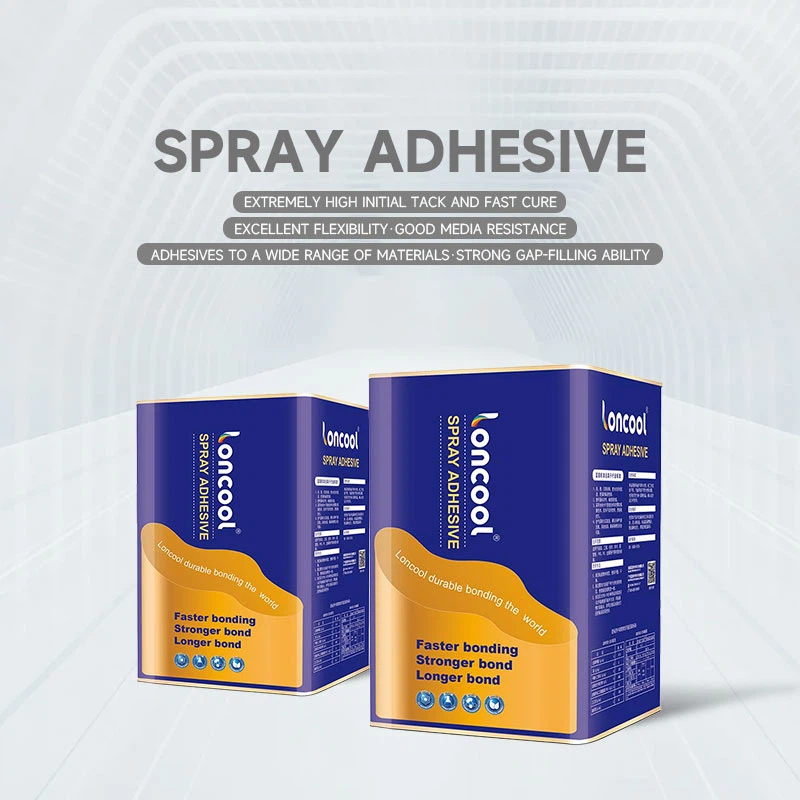
When it comes to construction and DIY projects, choosing the right fastening method is crucial. The traditional options of screws and nails have long been the go - to choices for many builders and homeowners. However, in recent years, Liquid Nails Construction has emerged as a strong competitor. As a supplier of Liquid Nails Construction products, I am here to delve into a detailed comparison between Liquid Nails Construction and the more conventional screws and nails.
1. Installation Process
Screws
Installing screws requires a drill or a screwdriver. First, you need to mark the exact location where you want to place the screw. Then, depending on the material, you may need to pre - drill a pilot hole to prevent the wood from splitting. This process can be time - consuming, especially when dealing with a large number of fastenings. For example, if you are building a wooden deck, you might need to drill hundreds of pilot holes and then drive in the screws one by one. The process also requires a certain level of skill to ensure that the screws are driven in straight and at the correct depth.
Nails
Nailing is generally faster than screwing. You can use a hammer or a nail gun. With a hammer, you simply place the nail on the surface and strike it until it is fully embedded. A nail gun speeds up the process even more, allowing you to drive multiple nails in a short period. However, nailing also has its challenges. It can be difficult to drive nails precisely, and there is a risk of the nail bending or the wood splitting, especially when using larger nails.
Liquid Nails Construction
The installation of Liquid Nails Construction is relatively straightforward. You simply apply the adhesive to one of the surfaces you want to bond. The application can be done using a caulking gun, which is easy to operate. After applying the adhesive, you press the two surfaces together firmly. There is no need for pre - drilling or precise alignment like with screws and nails. This makes it a great option for projects where speed is of the essence. For instance, when installing a backsplash in a kitchen, using Liquid Nails Construction can save a significant amount of time compared to using screws or nails.
2. Strength and Durability
Screws
Screws offer excellent holding power. They have threads that grip into the material, creating a strong mechanical connection. This makes them ideal for applications where there is a lot of stress or movement, such as in structural framing. However, over time, screws can loosen due to vibration or changes in temperature and humidity. In outdoor applications, screws can also rust, which can weaken their strength.
Nails
Nails are also quite strong, especially when used in the right materials. They are good at holding two pieces of wood together, but their strength can be limited in some situations. For example, in materials that are prone to splitting, the holding power of nails may be reduced. Nails can also work loose over time, especially if they are not driven in deeply enough.
Liquid Nails Construction
Liquid Nails Construction provides a strong and durable bond. Once the adhesive has cured, it forms a solid connection between the two surfaces. It can bond a wide variety of materials, including wood, metal, plastic, and concrete. The bond created by Liquid Nails Construction is resistant to vibration, which means it is less likely to loosen over time. Additionally, it is waterproof and weather - resistant, making it suitable for both indoor and outdoor applications. For example, Liquid Nails Heavy Duty is specifically designed for heavy - duty construction projects and provides a long - lasting bond.
3. Aesthetics
Screws
Screws are visible on the surface, which can be a drawback in some applications where aesthetics are important. The heads of the screws can disrupt the smooth appearance of the material. However, there are countersunk screws available that can be driven below the surface and then filled to create a more seamless look. But this additional step adds to the complexity and time of the project.
Nails
Similar to screws, nails are also visible. The heads of the nails can be an eyesore, especially in finished projects. There are options like finish nails that have smaller heads, but they still leave a mark.
Liquid Nails Construction
One of the major advantages of Liquid Nails Construction is its aesthetic appeal. Since there are no visible fasteners, it provides a clean and seamless look. This is particularly beneficial in projects such as installing wall panels or countertops. For example, Nail Free Sealant can be used to bond materials without the need for nails or screws, resulting in a smooth and professional finish.
4. Cost
Screws
The cost of screws can vary depending on the type, size, and material. High - quality screws, especially those made of stainless steel or other corrosion - resistant materials, can be quite expensive. Additionally, you need to factor in the cost of the drill or screwdriver and any bits or accessories required for installation.
Nails
Nails are generally more affordable than screws. They come in a wide range of sizes and types, and the cost per nail is relatively low. However, if you are using a nail gun, you need to consider the cost of the tool and the nails it uses.
Liquid Nails Construction
The cost of Liquid Nails Construction products is competitive. While the initial cost of a tube of adhesive may seem higher than a box of nails or screws, you need to consider the overall cost of the project. Since there is no need for additional tools like drills or nail guns, and the installation process is faster, it can actually save you money in the long run.
5. Flexibility
Screws
Screws offer some flexibility in terms of adjustability. If you make a mistake during installation, you can easily remove the screw and re - position it. This is useful in situations where precise alignment is required.
Nails
Nails are less flexible. Once a nail is driven in, it can be difficult to remove without causing damage to the material. Removing a nail may also leave a hole that needs to be filled.
Liquid Nails Construction
Liquid Nails Construction provides some flexibility during the installation process. You have a short window of time after applying the adhesive to adjust the position of the materials. If you need to make a change, you can carefully separate the surfaces and re - apply the adhesive.


Why Choose Liquid Nails Construction?
As a supplier of Liquid Nails Construction, I have seen firsthand the benefits it offers over screws and nails. Its ease of installation, strength, aesthetic appeal, cost - effectiveness, and flexibility make it a great choice for a wide range of construction and DIY projects. Whether you are a professional builder or a homeowner working on a weekend project, Liquid Nails Construction can simplify the process and provide excellent results.
If you are interested in learning more about our Liquid Nails Construction products or are looking to place an order, I encourage you to reach out for a procurement discussion. We can provide you with detailed product information, pricing, and any other support you may need.
References
- Construction Fastening Handbook. A comprehensive guide on different fastening methods.
- DIY Magazine. Articles on various construction and DIY projects and the best fastening options.
- Manufacturer's product specifications for Liquid Nails Construction, screws, and nails.