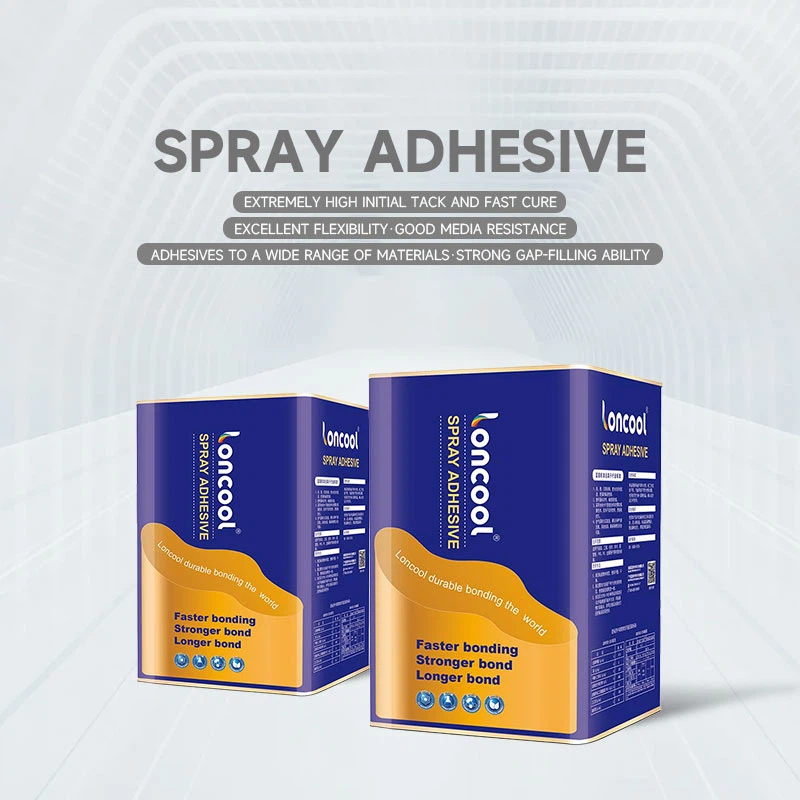
Liquid nails are a versatile and powerful adhesive solution widely used in construction, DIY projects, and various industrial applications. One common question that arises is how liquid nails bond to enamel surfaces. As a supplier of liquid nails, I am well - versed in the science behind this bonding process and eager to share my knowledge.
Understanding Enamel
Enamel is a hard, glossy, and often decorative coating that is applied to a variety of substrates, such as metal, ceramic, and glass. It is created by fusing powdered glass to the surface at high temperatures, resulting in a smooth, non - porous, and chemically resistant finish. The non - porous nature of enamel poses a challenge for adhesives because there are few pores or irregularities for the adhesive to penetrate and form a mechanical bond.
The Composition of Liquid Nails
Liquid nails are typically composed of a polymer base, solvents, and various additives. The polymer base is the key component responsible for the adhesive properties. Common polymers used in liquid nails include polyurethane, epoxy, and acrylic. These polymers have unique chemical structures that allow them to form strong bonds with different materials.
Solvents are used to keep the adhesive in a liquid state during application. They evaporate over time, allowing the polymer to harden and form a solid bond. Additives are included to enhance specific properties of the adhesive, such as flexibility, water resistance, and heat resistance.
Bonding Mechanisms
Chemical Bonding
When liquid nails come into contact with an enamel surface, chemical bonding can occur. The polymers in the liquid nails contain reactive groups that can interact with the molecules on the enamel surface. For example, some polymers may have functional groups that can form hydrogen bonds or covalent bonds with the enamel's surface molecules.
Hydrogen bonds are relatively weak compared to covalent bonds but can contribute to the overall bonding strength. Covalent bonds, on the other hand, are much stronger and involve the sharing of electrons between atoms. The formation of covalent bonds between the liquid nails and the enamel surface can result in a very durable bond.
Van der Waals Forces
Van der Waals forces are weak intermolecular forces that exist between all molecules. These forces include London dispersion forces, dipole - dipole forces, and hydrogen bonding (although hydrogen bonding is often considered separately due to its relatively stronger nature). When the liquid nails are applied to the enamel surface, the molecules in the adhesive and the enamel are in close proximity, allowing Van der Waals forces to act between them.
Although these forces are individually weak, the cumulative effect of numerous Van der Waals interactions can contribute significantly to the bonding strength between the liquid nails and the enamel.
Surface Tension and Wetting
For effective bonding, the liquid nails must be able to wet the enamel surface. Wetting refers to the ability of a liquid to spread out and make intimate contact with a solid surface. The surface tension of the liquid nails plays a crucial role in this process.
If the surface tension of the liquid nails is too high, it will tend to form droplets on the enamel surface rather than spreading out. This reduces the contact area between the adhesive and the enamel, resulting in a weaker bond. Suppliers of liquid nails often formulate their products to have an optimal surface tension that allows for good wetting of enamel and other surfaces.
Factors Affecting Bond Strength
Surface Preparation
Proper surface preparation is essential for achieving a strong bond between liquid nails and enamel. The enamel surface should be clean, dry, and free of any contaminants such as dirt, grease, or wax. These contaminants can prevent the liquid nails from making direct contact with the enamel surface and reduce the bonding strength.
A simple way to clean the enamel surface is to use a mild detergent and water, followed by thorough rinsing and drying. In some cases, sanding the enamel surface lightly can also help to increase the surface area and create some micro - irregularities for the adhesive to grip onto. However, care must be taken not to damage the enamel during sanding.


Temperature and Humidity
The temperature and humidity conditions during application and curing of the liquid nails can have a significant impact on the bonding strength. Most liquid nails have an optimal temperature range for application, typically between 50°F (10°C) and 90°F (32°C).
At lower temperatures, the curing process of the liquid nails may be slower, and the adhesive may not reach its full bonding strength. High humidity can also affect the curing process, especially for certain types of liquid nails that are sensitive to moisture. For example, polyurethane - based liquid nails can react with moisture in the air, which may lead to the formation of bubbles or a weaker bond.
Application Technique
The way the liquid nails are applied can also influence the bonding strength. It is important to apply an even layer of the adhesive to the enamel surface. Applying too little adhesive may result in insufficient bonding, while applying too much can lead to excess adhesive squeezing out and potentially weakening the bond.
Using a caulking gun or a putty knife to apply the liquid nails in a smooth, continuous bead is a common and effective technique. It is also recommended to press the two surfaces together firmly after applying the adhesive to ensure good contact and to expel any air bubbles.
Different Types of Liquid Nails for Enamel Bonding
As a supplier, I offer a range of liquid nails products suitable for bonding to enamel surfaces.
Liquid Nails Construction is a general - purpose adhesive that provides a strong bond to a variety of materials, including enamel. It has good flexibility and is resistant to water and temperature changes, making it suitable for both indoor and outdoor applications.
No More Nails is another popular option. It is a high - strength adhesive that can bond enamel to wood, metal, plastic, and other substrates. It is easy to apply and has a fast - drying formula, which is ideal for quick projects.
Liquid Nails Heavy Duty is designed for more demanding applications. It can withstand heavy loads and is highly resistant to impact, vibration, and extreme weather conditions. This makes it a great choice for bonding enamel in industrial or high - stress environments.
Conclusion
In conclusion, the bonding of liquid nails to enamel surfaces is a complex process that involves chemical bonding, Van der Waals forces, and proper wetting. By understanding the composition of liquid nails, the nature of enamel, and the factors that affect bonding strength, you can ensure a successful and durable bond.
As a supplier of liquid nails, I am committed to providing high - quality products and expert advice to help you achieve the best results in your projects. Whether you are a professional contractor or a DIY enthusiast, our range of liquid nails products can meet your needs for bonding enamel and other materials.
If you are interested in purchasing our liquid nails products or have any questions about enamel bonding, please feel free to contact us for a procurement discussion. We look forward to working with you to find the perfect adhesive solution for your project.
References
- "Adhesives and Sealants Technology Handbook" by John Murphy
- "Enamel Coatings: Science and Technology" by David A. Bristow
- Technical data sheets provided by liquid nails manufacturers