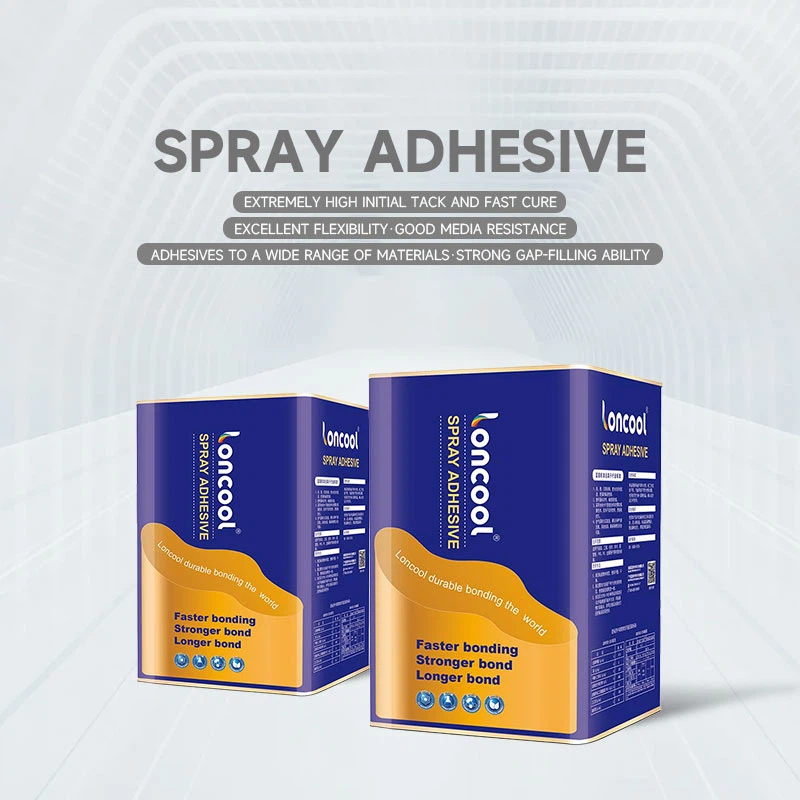
Does Spray Adhesive Work on Styrofoam?
Styrofoam, a brand name for expanded polystyrene foam (EPS), is a lightweight and versatile material used in a variety of applications, from packaging to insulation and crafting. When it comes to bonding Styrofoam, many people wonder if spray adhesive is a suitable option. As a spray adhesive supplier, I'm here to provide you with a comprehensive answer to this question.
Understanding Styrofoam and Its Properties
Before delving into the effectiveness of spray adhesive on Styrofoam, it's essential to understand the properties of Styrofoam itself. Styrofoam is made up of tiny polystyrene beads that are expanded and fused together to form a rigid, porous structure. This structure gives Styrofoam its lightweight and insulating properties but also makes it relatively delicate and susceptible to damage.
One of the key considerations when working with Styrofoam is its chemical composition. Polystyrene is a thermoplastic polymer, which means it can soften and melt when exposed to certain chemicals or high temperatures. This is important to keep in mind when choosing an adhesive, as some adhesives may contain solvents or chemicals that can react with the Styrofoam and cause it to dissolve or deform.
How Spray Adhesives Work
Spray adhesives are a popular choice for bonding a wide range of materials due to their ease of use and ability to provide a quick and strong bond. They work by spraying a fine mist of adhesive onto the surface of the materials to be bonded. The adhesive then dries and cures, creating a strong bond between the two surfaces.
There are several types of spray adhesives available on the market, each with its own unique properties and applications. Some common types of spray adhesives include:
- Contact adhesives: These adhesives are designed to bond two surfaces together by applying the adhesive to both surfaces and allowing them to dry before pressing them together. Contact adhesives provide a strong, permanent bond and are often used for bonding materials such as wood, metal, and plastic.
- Spray mount adhesives: These adhesives are typically used for mounting lightweight materials such as paper, fabric, and foam to a surface. Spray mount adhesives provide a temporary or semi-permanent bond and are easy to apply and remove.
- High-strength adhesives: These adhesives are designed to provide a strong, durable bond between two surfaces and are often used for bonding heavy-duty materials such as metal, concrete, and wood. High-strength adhesives may require longer curing times and may be more difficult to apply than other types of spray adhesives.
Does Spray Adhesive Work on Styrofoam?
The answer to this question depends on several factors, including the type of spray adhesive used, the surface of the Styrofoam, and the application method. In general, spray adhesives can work well on Styrofoam, but it's important to choose the right adhesive and follow the manufacturer's instructions carefully to ensure a successful bond.
When choosing a spray adhesive for Styrofoam, it's important to look for an adhesive that is specifically designed for use with foam materials. These adhesives are typically formulated to be gentle on Styrofoam and won't cause it to dissolve or deform. Look for adhesives that are labeled as "foam-safe" or "Styrofoam-safe" to ensure that they are compatible with your project.
Another important factor to consider when using spray adhesive on Styrofoam is the surface of the Styrofoam. Styrofoam has a smooth, porous surface that can make it difficult for adhesive to adhere to. To improve the adhesion of the spray adhesive, it's a good idea to roughen the surface of the Styrofoam slightly before applying the adhesive. You can do this by sanding the surface of the Styrofoam lightly with fine-grit sandpaper or by using a solvent-free cleaner to remove any dirt or debris from the surface.


When applying spray adhesive to Styrofoam, it's important to follow the manufacturer's instructions carefully. In general, it's best to apply the adhesive in a well-ventilated area and to wear protective gloves and a mask to avoid inhaling the fumes. Hold the spray can about 6-8 inches away from the surface of the Styrofoam and apply a thin, even coat of adhesive. Allow the adhesive to dry for the recommended amount of time before pressing the two surfaces together.
It's also important to note that some spray adhesives may take longer to dry on Styrofoam than on other materials. This is because the porous surface of the Styrofoam can absorb some of the adhesive, which can slow down the drying process. Be patient and allow the adhesive to dry completely before handling the bonded materials.
Benefits of Using Spray Adhesive on Styrofoam
There are several benefits to using spray adhesive on Styrofoam, including:
- Easy to use: Spray adhesives are easy to apply and can cover a large area quickly. This makes them a great choice for large projects or for bonding multiple pieces of Styrofoam together.
- Strong bond: When used correctly, spray adhesives can provide a strong, durable bond between Styrofoam and other materials. This makes them a reliable choice for a variety of applications, from packaging to insulation and crafting.
- Versatile: Spray adhesives can be used to bond Styrofoam to a wide range of materials, including wood, metal, plastic, and fabric. This makes them a versatile choice for a variety of projects.
- Fast drying: Many spray adhesives dry quickly, which means you can complete your project in less time. This is especially important for projects that require a quick turnaround time.
Potential Challenges and Solutions
While spray adhesive can work well on Styrofoam, there are some potential challenges that you may encounter. Here are some common challenges and solutions:
- Adhesive bleeding: Sometimes, the spray adhesive can bleed through the Styrofoam and leave a visible mark on the surface. To prevent this from happening, it's a good idea to apply a thin layer of the adhesive and to allow it to dry completely before applying additional layers. You can also use a piece of scrap paper or cardboard to protect the surface of the Styrofoam while you're applying the adhesive.
- Adhesive not sticking: If the adhesive doesn't seem to be sticking to the Styrofoam, it could be because the surface is too smooth or dirty. To improve the adhesion of the adhesive, try roughening the surface of the Styrofoam slightly with fine-grit sandpaper or using a solvent-free cleaner to remove any dirt or debris from the surface. You can also try using a different type of spray adhesive that is specifically designed for use with foam materials.
- Adhesive causing damage: Some spray adhesives may contain solvents or chemicals that can react with the Styrofoam and cause it to dissolve or deform. To avoid this, make sure you choose a spray adhesive that is labeled as "foam-safe" or "Styrofoam-safe." You can also test the adhesive on a small, inconspicuous area of the Styrofoam before applying it to the entire surface to make sure it doesn't cause any damage.
Conclusion
In conclusion, spray adhesive can work well on Styrofoam, but it's important to choose the right adhesive and follow the manufacturer's instructions carefully to ensure a successful bond. When choosing a spray adhesive for Styrofoam, look for an adhesive that is specifically designed for use with foam materials and is labeled as "foam-safe" or "Styrofoam-safe." Roughen the surface of the Styrofoam slightly before applying the adhesive to improve adhesion, and allow the adhesive to dry completely before handling the bonded materials.
At our company, we offer a wide range of spray adhesives that are suitable for use with Styrofoam and other materials. Our Spray Silicone is a popular choice for bonding Styrofoam due to its strong bond and foam-safe formula. If you have any questions about our spray adhesives or need help choosing the right adhesive for your project, please feel free to contact us. We're here to help you find the best solution for your bonding needs.
References
- ASTM International. (2023). Standard Specification for Rigid, Cellular Polystyrene Thermal Insulation. ASTM C578.
- California Air Resources Board. (2023). Regulations for Reducing Indoor Air Contaminants from Emissions of Volatile Organic Compounds in Consumer Products.
- Society of Plastics Engineers. (2023). Plastics Engineering Handbook.