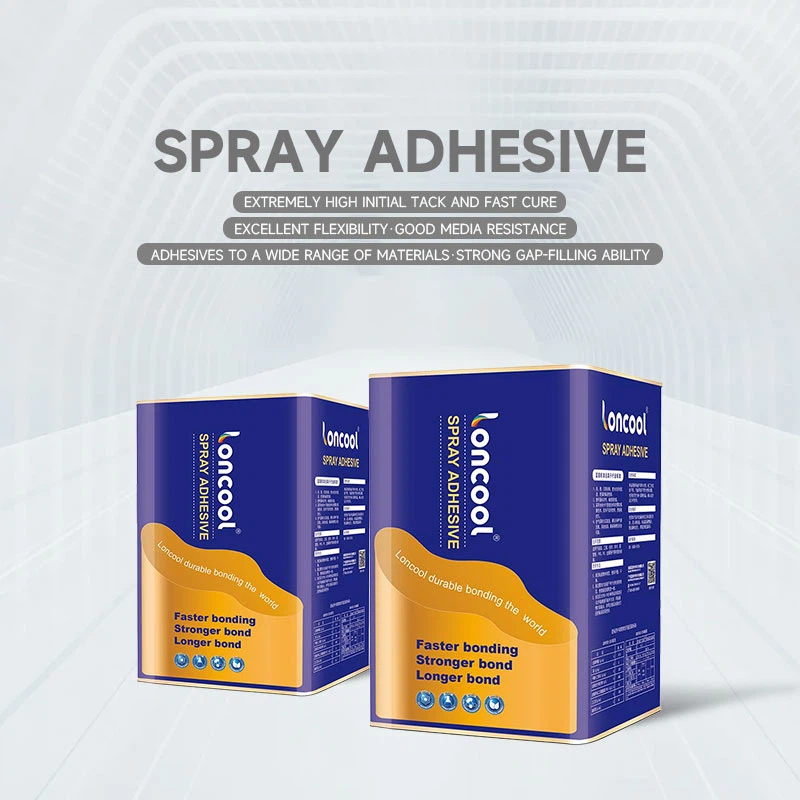
Spray adhesives are versatile products used in a wide range of industries and applications, from crafting to automotive repair. One common question that arises is whether spray adhesive works effectively on rubberized surfaces. As a spray adhesive supplier, I've encountered this query numerous times and have conducted extensive research and testing to provide a comprehensive answer.
Understanding Rubberized Surfaces
Rubberized surfaces are made from various types of rubber or rubber - like materials. These can include natural rubber, synthetic rubbers such as neoprene, nitrile, and silicone rubber, as well as rubberized coatings on other substrates. Each type of rubber has its own unique properties, such as flexibility, chemical resistance, and surface energy.
The surface energy of a material is a crucial factor when it comes to adhesion. Rubberized surfaces often have low surface energy, which means they are less likely to bond easily with other materials. This is because low - surface - energy materials have fewer molecular interactions with adhesives, making it challenging for the adhesive to spread and form a strong bond.
How Spray Adhesives Work
Spray adhesives work by creating a bond between two surfaces. When the adhesive is sprayed onto a surface, it forms a thin layer. As the solvent in the adhesive evaporates, the adhesive dries and hardens, creating a bond. The effectiveness of a spray adhesive depends on several factors, including the type of adhesive, the surface it is being applied to, and the application conditions.
There are different types of spray adhesives available, such as contact adhesives, permanent adhesives, and removable adhesives. Contact adhesives require both surfaces to be coated with the adhesive and then allowed to dry slightly before being pressed together. Permanent adhesives form a strong, long - lasting bond, while removable adhesives can be peeled off without leaving much residue.


Factors Affecting Adhesion on Rubberized Surfaces
- Surface Preparation: Proper surface preparation is essential for achieving good adhesion on rubberized surfaces. The surface should be clean, dry, and free of any contaminants such as dirt, oil, or grease. These contaminants can prevent the adhesive from making direct contact with the rubber surface and weaken the bond. In some cases, sanding the rubber surface slightly can increase its surface area and improve adhesion.
- Type of Rubber: Different types of rubber have different chemical compositions and surface properties. For example, silicone rubber is known for its high chemical resistance and low surface energy, which makes it particularly difficult to bond with most adhesives. On the other hand, neoprene rubber has better adhesion properties and can be more easily bonded with certain types of spray adhesives.
- Type of Spray Adhesive: Not all spray adhesives are suitable for rubberized surfaces. Some adhesives may not be compatible with the rubber material, resulting in a weak bond or even damage to the rubber. It is important to choose a spray adhesive that is specifically formulated for use on rubber or has been tested and proven to work well with rubberized surfaces. For example, Spray Silicone can be a good option for certain rubber applications due to its unique properties.
- Application Conditions: The temperature and humidity during application can also affect the adhesion of spray adhesives on rubberized surfaces. Most adhesives have an optimal temperature range for application, and applying the adhesive outside of this range can lead to poor adhesion. High humidity can also slow down the drying process of the adhesive and affect the bond strength.
Testing Spray Adhesives on Rubberized Surfaces
To determine whether a spray adhesive works on a particular rubberized surface, it is advisable to conduct a small - scale test. Here's how you can do it:
- Select a small, inconspicuous area on the rubberized surface.
- Clean the area thoroughly using a suitable cleaner.
- Apply a thin, even layer of the spray adhesive to the test area according to the manufacturer's instructions.
- Press the second surface (if applicable) firmly onto the adhesive - coated area and hold it in place for the recommended time.
- Allow the adhesive to dry completely.
- Test the bond by gently pulling or peeling the two surfaces apart. Observe the strength of the bond and whether there is any damage to the rubber surface.
Case Studies
Let's look at some real - world examples of using spray adhesives on rubberized surfaces:
Automotive Industry: In the automotive industry, rubber gaskets and seals are commonly used. Spray adhesives are often used to bond these rubber components to metal or plastic parts. For example, a contact spray adhesive can be used to bond a neoprene rubber gasket to an engine block. The adhesive provides a strong, flexible bond that can withstand the vibrations and temperature changes in the engine compartment.
Crafting: Crafters often use rubber stamps and rubberized embellishments. A removable spray adhesive can be used to temporarily attach these rubber items to a project surface. This allows for easy repositioning of the rubber elements before the final bonding is required.
Conclusion
In conclusion, spray adhesives can work on rubberized surfaces, but it depends on several factors. Proper surface preparation, choosing the right type of adhesive, and controlling the application conditions are all crucial for achieving a strong and durable bond. As a spray adhesive supplier, I recommend conducting small - scale tests before applying the adhesive to a large area.
If you are in need of a spray adhesive for your rubberized surface applications, I encourage you to reach out to discuss your specific requirements. Our team of experts can help you select the most suitable product and provide guidance on proper application techniques. Whether you are in the automotive, crafting, or any other industry, we are here to assist you in finding the best adhesive solution for your needs.
References
- "Adhesion Science and Engineering: Volume 1: Surfaces, Chemistry and Physics" by K. L. Mittal
- "Handbook of Adhesive Technology" by A. Pizzi and K. L. Mittal