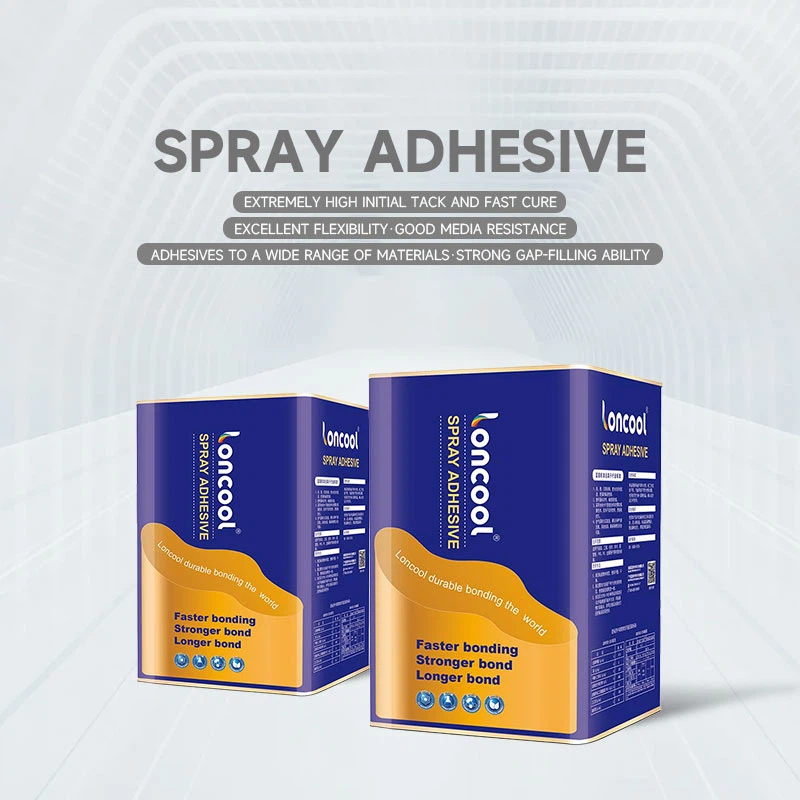
As a supplier of Liquid Nails Construction, I've witnessed firsthand the growing interest in this product and the questions that often arise, especially regarding its long - term bond. In this blog, I'll delve into the science behind Liquid Nails Construction and explore whether it truly offers a long - lasting bond.
Understanding Liquid Nails Construction
Liquid Nails Construction is a high - performance adhesive designed for a wide range of construction applications. It is formulated to bond various materials, including wood, metal, concrete, and plastic. Unlike traditional nails or screws, which rely on mechanical fasteners, Liquid Nails Construction creates a chemical bond between the surfaces, distributing stress more evenly and potentially providing a stronger and more durable connection.


The product's versatility makes it a popular choice among contractors, DIY enthusiasts, and professionals in the construction industry. Whether you're installing baseboards, attaching drywall, or building outdoor structures, Liquid Nails Construction can be a valuable addition to your toolkit.
The Science of Bonding
To understand whether Liquid Nails Construction has a long - term bond, we need to look at the science behind its adhesive properties. The adhesive works by forming a polymer matrix when it cures. This matrix is created through a chemical reaction that occurs when the adhesive comes into contact with the surfaces it is bonding and is exposed to air.
The strength of the bond depends on several factors, including the type of materials being bonded, the surface preparation, and the curing conditions. For example, porous materials like wood can absorb the adhesive, allowing for a better mechanical interlock and a stronger bond. On the other hand, non - porous materials like metal or plastic may require special surface treatments to ensure proper adhesion.
Surface preparation is crucial for achieving a long - term bond. The surfaces should be clean, dry, and free of any dirt, grease, or paint. Roughing up the surface slightly can also increase the surface area for the adhesive to bond to, enhancing the overall strength of the connection.
Real - World Performance
In real - world applications, Liquid Nails Construction has proven to provide a reliable long - term bond. Many contractors and DIYers have reported successful projects that have withstood the test of time. For instance, in outdoor decking projects, Liquid Nails Construction has been used to bond deck boards to joists, providing a strong and stable connection that can endure the elements, including moisture, temperature changes, and foot traffic.
In interior applications, such as installing kitchen cabinets or bathroom vanities, the adhesive has been able to hold the fixtures in place for years without any signs of loosening. This is due in part to its ability to resist vibration and shock, which can cause traditional fasteners to loosen over time.
However, it's important to note that the long - term performance of Liquid Nails Construction can be affected by extreme conditions. For example, prolonged exposure to high humidity or direct sunlight can potentially weaken the bond. In such cases, additional protective measures may be necessary to ensure the longevity of the bond.
Comparing with Other Adhesives
When compared to other adhesives on the market, Liquid Nails Construction offers several advantages in terms of long - term bonding. No More Nails is another popular adhesive, but it may not be as strong or durable as Liquid Nails Construction in heavy - duty applications. No More Nails is more commonly used for light - to - medium - duty tasks, such as hanging pictures or attaching small trim pieces.
Nail Free Sealant is also an option, but it is primarily designed for sealing joints and gaps rather than providing a strong structural bond. While it can offer some adhesion, it may not be suitable for applications where a long - term, load - bearing bond is required.
Case Studies
Let's take a look at some case studies to further illustrate the long - term bond of Liquid Nails Construction.
Case Study 1: Commercial Building Renovation
A commercial building was undergoing a renovation, and Liquid Nails Construction was used to attach new wall panels to the existing concrete walls. The project was completed five years ago, and upon inspection, the wall panels were still firmly attached. There were no signs of delamination or loosening, indicating that the adhesive had maintained its bond over an extended period.
Case Study 2: Residential Deck Installation
A homeowner installed a new deck using Liquid Nails Construction to bond the deck boards to the joists. After three years of exposure to the elements, including heavy rain and snow, the deck remained stable. The adhesive had effectively resisted the expansion and contraction of the wood due to temperature and moisture changes, ensuring a long - lasting bond.
Tips for Ensuring a Long - Term Bond
To maximize the long - term bond of Liquid Nails Construction, here are some tips:
- Proper Surface Preparation: As mentioned earlier, clean and dry the surfaces thoroughly before applying the adhesive. Remove any dirt, grease, or paint, and roughen the surface if necessary.
- Correct Application: Follow the manufacturer's instructions for applying the adhesive. Use the recommended amount and apply it evenly to both surfaces.
- Allow Sufficient Curing Time: The adhesive needs time to cure fully. Avoid disturbing the bonded surfaces during the curing period, which can range from a few hours to several days depending on the conditions.
- Consider Environmental Factors: If the application is in an area with extreme conditions, such as high humidity or direct sunlight, take appropriate measures to protect the bond. This could include using a protective coating or sealant.
Conclusion
In conclusion, Liquid Nails Construction has demonstrated the ability to provide a long - term bond in a variety of construction applications. Its chemical bonding mechanism, combined with proper surface preparation and application, allows it to create a strong and durable connection between different materials.
While no adhesive is completely immune to the effects of time and environmental factors, Liquid Nails Construction offers a reliable solution for projects where a long - lasting bond is essential. Whether you're a professional contractor or a DIY enthusiast, you can trust this product to deliver the performance you need.
If you're interested in using Liquid Nails Construction for your next project, I invite you to contact me for more information or to discuss your specific requirements. I'm here to help you make the most of this high - quality adhesive and ensure the success of your construction projects.
References
- Manufacturer's product documentation for Liquid Nails Construction
- Industry research on construction adhesives and their long - term performance
- Interviews with contractors and DIYers who have used Liquid Nails Construction in their projects