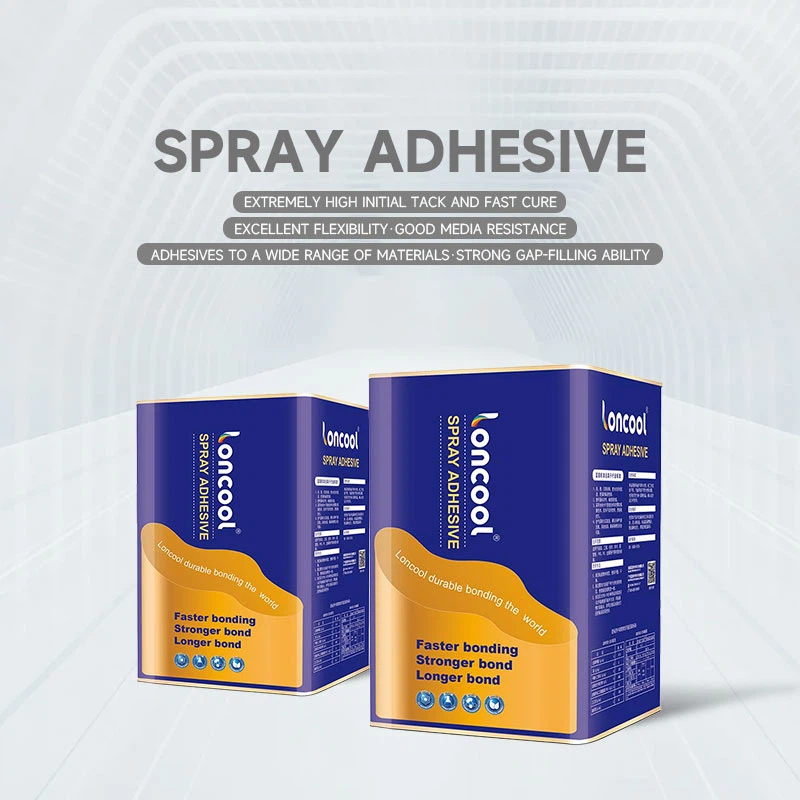
As a supplier of Nail Free Sealant, I often encounter various questions from customers, one of the most common being whether Nail Free Sealant can be used as a base coat. In this blog post, I'll delve into this topic, exploring the science behind it, its practical applications, and the potential benefits and drawbacks.
Understanding Nail Free Sealant
Before we can determine if Nail Free Sealant can serve as a base coat, it's essential to understand what it is. Nail Free Sealant is a type of adhesive that eliminates the need for nails or screws in many applications. It's designed to bond a variety of materials, such as wood, metal, plastic, and ceramic, providing a strong and durable hold.
There are different types of Nail Free Sealant available on the market, each with its own unique properties and uses. For example, Liquid Nails Construction is formulated for heavy - duty construction projects, offering high - strength bonding for building materials. No More Nails is a popular all - purpose option, suitable for both DIY and professional use. Meanwhile, Liquid Nails Heavy Duty is engineered to handle extreme loads and tough conditions.
The Science of Base Coats
A base coat, in the context of various coating applications, serves several important functions. Firstly, it provides a smooth and even surface for subsequent layers of paint, varnish, or other finishes. It helps to improve adhesion, ensuring that the topcoat adheres properly and lasts longer. Additionally, a base coat can act as a barrier, protecting the underlying material from moisture, chemicals, and other environmental factors.
Can Nail Free Sealant Be Used as a Base Coat?
Potential Benefits
- Strong Adhesion: Nail Free Sealant is known for its excellent bonding properties. When used as a base coat, it can create a strong bond between the substrate and the topcoat. For instance, if you're applying a finish to a wooden surface, the sealant can grip the wood fibers tightly, preventing the topcoat from peeling or flaking over time.
- Moisture Resistance: Many Nail Free Sealants have good moisture - resistant qualities. This can be beneficial in areas where the surface is exposed to humidity or water, such as bathrooms or kitchens. By acting as a moisture barrier, the sealant can protect the substrate from water damage and rot.
- Filling Imperfections: Nail Free Sealant can fill small cracks, holes, and gaps in the substrate. This helps to create a smoother surface for the topcoat, reducing the need for extensive sanding and preparation.
Potential Drawbacks
- Compatibility Issues: Not all Nail Free Sealants are compatible with all types of topcoats. Some sealants may react chemically with certain paints or varnishes, causing discoloration, bubbling, or poor adhesion. It's crucial to test the compatibility of the sealant and the topcoat on a small, inconspicuous area before applying them to the entire surface.
- Surface Finish: Nail Free Sealant may not provide the same smooth finish as a traditional base coat. It can have a slightly textured or uneven surface, which may affect the appearance of the final finish. This can be a concern, especially for applications where a high - gloss or smooth finish is desired.
- Drying Time: Some Nail Free Sealants have a relatively long drying time compared to traditional base coats. This can slow down the overall coating process, especially if you're working on a large project with a tight deadline.
Practical Applications
Despite the potential drawbacks, there are several practical applications where Nail Free Sealant can be effectively used as a base coat.
- Outdoor Projects: In outdoor applications, such as decking or fencing, Nail Free Sealant can provide excellent protection against the elements. Its strong adhesion and moisture resistance make it a suitable base for paint or stain, helping to extend the lifespan of the wood.
- Industrial Applications: In industrial settings, where the substrate is exposed to heavy loads, chemicals, or abrasion, Nail Free Sealant can be used as a base coat to enhance the durability of the finish. For example, in a manufacturing plant, it can be applied to metal surfaces before painting to protect against corrosion.
- DIY Home Improvements: For DIYers, Nail Free Sealant can be a convenient and cost - effective option for base coating. It can be used in a variety of projects, from refinishing furniture to renovating a basement.
Considerations Before Using Nail Free Sealant as a Base Coat
- Substrate Material: Different substrates require different types of base coats. Make sure the Nail Free Sealant is suitable for the material you're working with. For example, a sealant designed for wood may not work well on a plastic or metal surface.
- Topcoat Type: As mentioned earlier, compatibility between the sealant and the topcoat is crucial. Research the recommended topcoats for the specific Nail Free Sealant you're using.
- Environmental Conditions: Consider the environmental conditions where the coated surface will be located. If the area is prone to high temperatures, humidity, or extreme weather, choose a sealant that can withstand these conditions.
Conclusion
In conclusion, Nail Free Sealant can be used as a base coat in certain situations, offering benefits such as strong adhesion, moisture resistance, and the ability to fill imperfections. However, it's important to be aware of the potential drawbacks, including compatibility issues, surface finish, and drying time. By carefully considering the substrate material, topcoat type, and environmental conditions, you can determine if Nail Free Sealant is the right choice for your project.
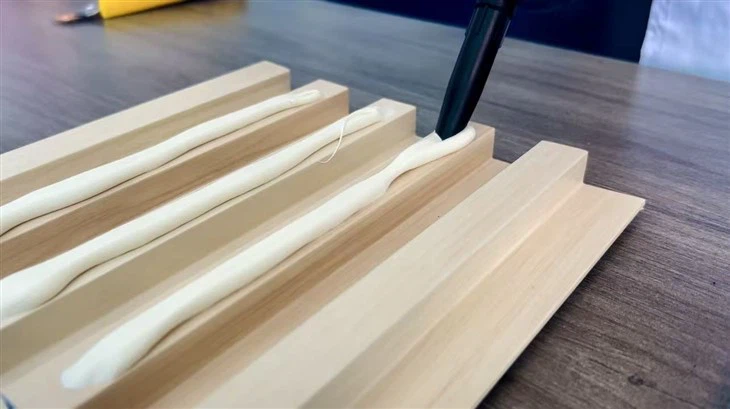

If you're interested in exploring the use of Nail Free Sealant for your base coating needs, I encourage you to contact me for more information. I can provide you with samples, technical data, and guidance on the best product for your specific application. Let's start a conversation and find the perfect solution for your project.
References
- Product manuals of Liquid Nails Construction, No More Nails, and Liquid Nails Heavy Duty.
- Industry research on adhesive and coating technologies.