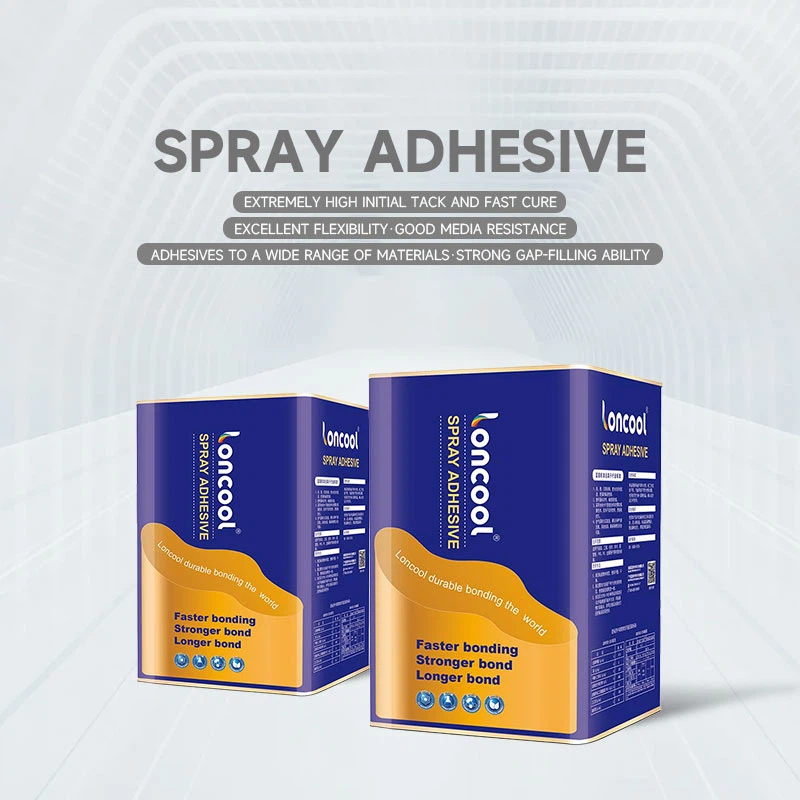
Can Liquid Nails Construction be used on metal?
As a supplier of Liquid Nails Construction products, I often get asked whether our Liquid Nails Construction adhesive can be used on metal. This is a crucial question for many DIY enthusiasts, contractors, and construction professionals who are looking for reliable bonding solutions for metal surfaces. In this blog post, I'll delve into the details of using Liquid Nails Construction on metal, exploring its suitability, application methods, and limitations.


Understanding Liquid Nails Construction
Liquid Nails Construction is a high - performance adhesive known for its strong bonding capabilities. It is designed to bond a wide range of materials, including wood, drywall, concrete, and more. Liquid Nails Construction offers a long - lasting hold and is resistant to various environmental factors such as moisture and temperature changes.
The adhesive comes in different formulations to meet different bonding needs. For example, Liquid Nails Heavy Duty is specifically engineered for heavy - load applications, providing an extra - strong bond.
Suitability for Metal
The good news is that Liquid Nails Construction can indeed be used on metal. It can create a strong bond between metal surfaces and other materials, or even between two metal pieces. However, there are some important factors to consider.
First, the type of metal matters. Common metals like steel, aluminum, and iron can generally be bonded with Liquid Nails Construction. But metals with a high - gloss or oily surface may require some pre - preparation. For instance, stainless steel often has a smooth, non - porous surface that may not provide an ideal bonding environment right away.
Second, the surface condition of the metal is crucial. The metal surface should be clean, dry, and free of rust, paint, grease, or any other contaminants. Rust can prevent the adhesive from making proper contact with the metal, while grease and oil can act as a barrier, reducing the bonding strength. If the metal is painted, the paint may need to be removed or roughened to improve adhesion.
Preparation for Bonding
Before applying Liquid Nails Construction on metal, follow these preparation steps:
- Cleaning: Use a degreaser or a mild detergent to clean the metal surface. Rinse it thoroughly with water and let it dry completely. For stubborn rust, you can use a wire brush or sandpaper to remove it.
- Roughening: If the metal surface is very smooth, lightly sand it with fine - grit sandpaper. This will create a rough texture that allows the adhesive to grip better. After sanding, wipe away any dust with a clean, dry cloth.
Application Methods
Once the metal surface is properly prepared, you can apply Liquid Nails Construction as follows:
- Apply the adhesive: Cut the tip of the adhesive tube at a 45 - degree angle and load it into a caulking gun. Apply a continuous bead of the adhesive onto one of the surfaces to be bonded. The bead should be about 1/4 - inch thick for most applications.
- Press the surfaces together: Immediately after applying the adhesive, press the two surfaces firmly together. Use clamps or weights to hold the surfaces in place while the adhesive cures. Make sure there is even pressure across the entire bonding area.
- Curing time: The curing time of Liquid Nails Construction on metal can vary depending on factors such as temperature and humidity. In general, it takes about 24 hours for the adhesive to reach its initial bond strength and up to 72 hours for a full cure.
Limitations
While Liquid Nails Construction can bond metal effectively, it does have some limitations.
- High - stress applications: In applications where the metal is subjected to extreme stress, such as heavy machinery or structural components, additional mechanical fasteners may be required. The adhesive alone may not be sufficient to withstand the high forces.
- Temperature extremes: Although Liquid Nails Construction is designed to withstand a certain range of temperatures, extremely high or low temperatures can affect its performance. In very cold temperatures, the adhesive may become brittle, while in high - temperature environments, it may soften.
Alternative Products
If you are working on a project where bonding metal is the primary focus, you may also consider our Nail Free Sealant. This product is specifically formulated for applications where a strong, flexible bond is needed, including metal bonding. It offers excellent resistance to water and weathering, making it suitable for outdoor metal projects.
Conclusion
In conclusion, Liquid Nails Construction can be a great choice for bonding metal. With proper surface preparation and application, it can create a strong and durable bond. However, it's important to understand its limitations and consider the specific requirements of your project.
If you have any questions about using Liquid Nails Construction on metal or need advice on the best product for your project, feel free to reach out. We are here to help you make the right choice and ensure the success of your construction or DIY project. Whether you are a professional contractor or a weekend warrior, our products are designed to meet your bonding needs. Contact us to discuss your procurement requirements and let's start a productive partnership.
References
- Manufacturer's product documentation for Liquid Nails Construction
- Industry research on adhesive bonding of metals